Is Credit Card Usage Common in Thailand?
In Thailand, credit card usage is quite common in luxury hotels, large shopping malls, and chain stores (like 7-Eleven with certain limits); however, cash (Baht) or local QR payment systems (PromptPay) dominate in street food, local markets, and taxis. Since many small businesses may charge a 3% additional commission for card payments, it is financially wise to always carry cash.
Credit Card Usage in Thailand: Where It Works and Where It Doesn't
Thailand is a country of contrasts, where futuristic payment systems coexist with cash (Thai Baht) still reigning supreme. Knowing how to manage your wallet as a tourist can save you both money and time during your travels.
1. 💳 "Guaranteed" Places Where Cards Are Accepted
In modern Thailand, you can smoothly use your Visa, Mastercard, and sometimes American Express cards at the following locations:
- Shopping Malls and Department Stores: All stores in massive centers like CentralWorld, Siam Paragon, or IconSiam.
- Hotels and Luxury Restaurants: A credit card is usually required for a deposit at check-in.
- Chain Stores: Stores like 7-Eleven and FamilyMart typically accept cards for purchases over 200-300 Baht (limit may vary by branch).
- Hospitals: All international cards are accepted at private hospitals (Bumrungrad, Bangkok Hospital, etc.).
2. 💵 "Capillary" Places That Require Cash
If you rely solely on credit cards, you might miss the true spirit of Thailand:
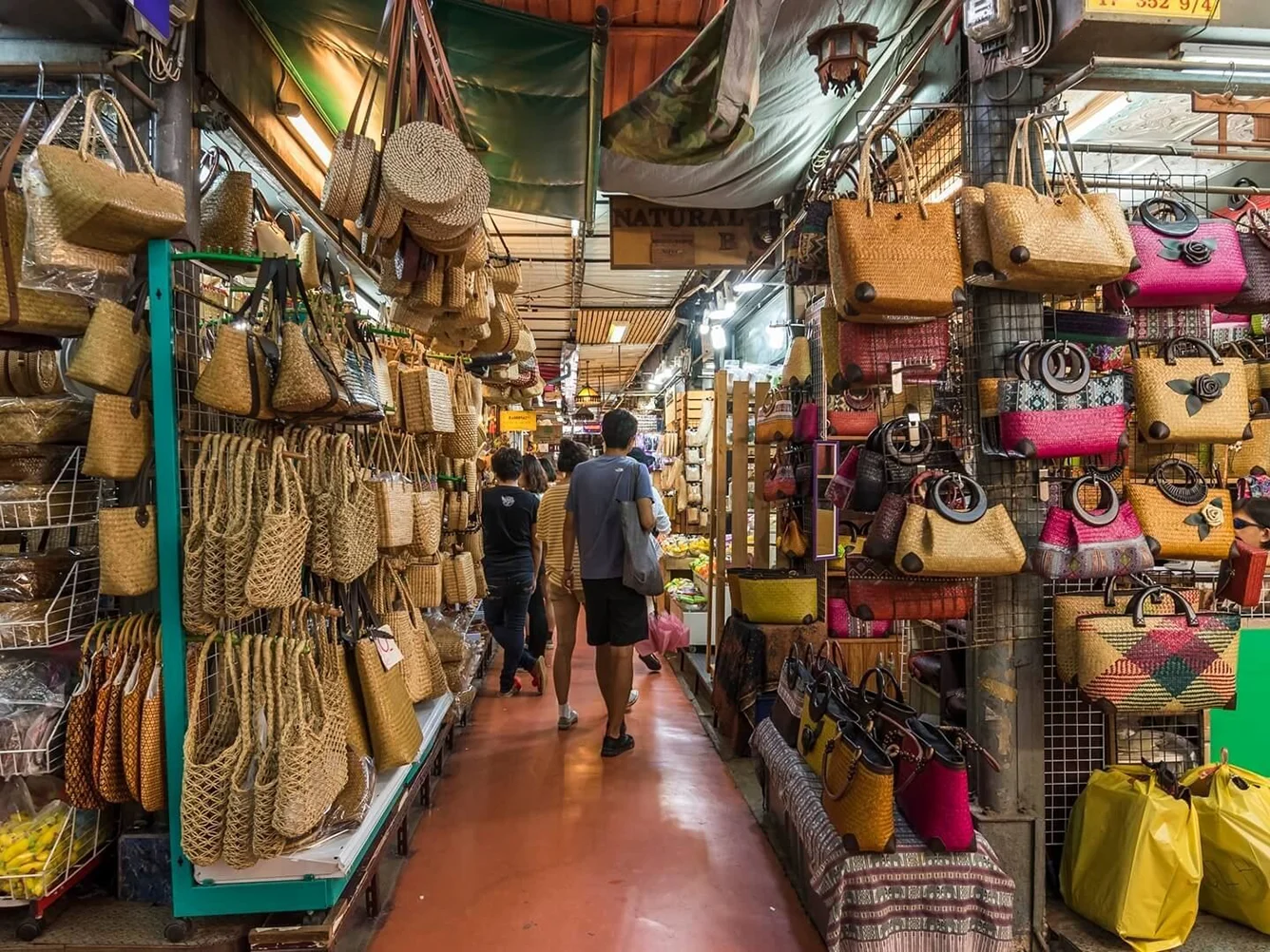
- Street Food and Night Markets: The chance of finding a card machine here is about 1%. Vendors operate on cash or local bank transfers (QR).
- Transportation: Taxis and Tuk-tuks operate 99% on cash. If you haven't linked your card to apps like Grab or Bolt, you'll need to pay the driver in cash.
- Islands and Small Towns: In remote islands, card machines may frequently be out of service due to power and internet outages.
3. ⚠️ Additional Commission (Surcharge) and Currency Traps
When using your card, be aware of two major costs:
- 3% Additional Fee: Some small to medium-sized shops or travel agencies may pass on the commission that the bank charges them. Asking "Any surcharge for credit card?" before making a payment can prevent surprises.
- DCC (Dynamic Currency Conversion): If the card machine asks whether you want to charge the amount in your currency (TL/USD) or in the local currency (Baht), always select "THB / Baht". Your bank's rate is always better than the rate offered by the machine.
4. 📱 Digital Wallets and QR Payments
The Thai people prefer using a QR code system called PromptPay over credit cards. To participate in this system as a foreigner, you need to have a local bank account (like Bangkok Bank). If you are staying long-term, this system can be much more life-saving than a credit card.
Advice from Arif GÜVENÇ
🛡️ Falling into the misconception that "my card works everywhere" in Thailand can leave you embarrassed with Pad Thai in hand at a street stall. As a tip from Arif GÜVENÇ; use your credit card only for large expenses (hotel, flight, brand shopping) and always carry at least 2,000-3,000 Baht in cash for daily expenses. A warning from "Arif GÜVENÇ"; don't forget to check your card's "International Shopping" and "E-Commerce" limits on your bank's mobile app before going abroad. Due to the high ATM withdrawal fees in Thailand (220 Baht), it is generally more economical to withdraw a large amount at once rather than withdrawing small amounts each time. Remember, in Thailand, a smile opens every door, but cash allows you to enter through that door.
Bölge:Tayland