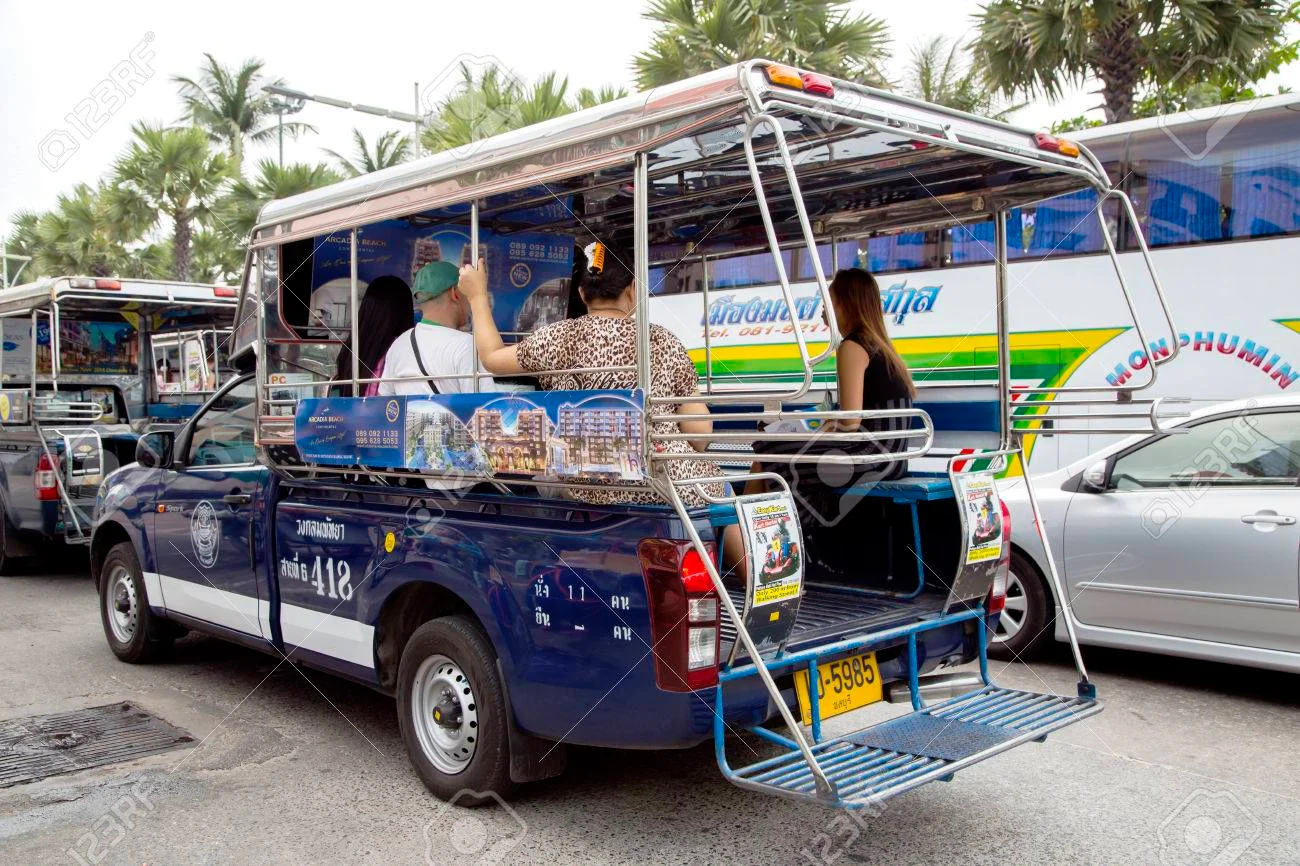
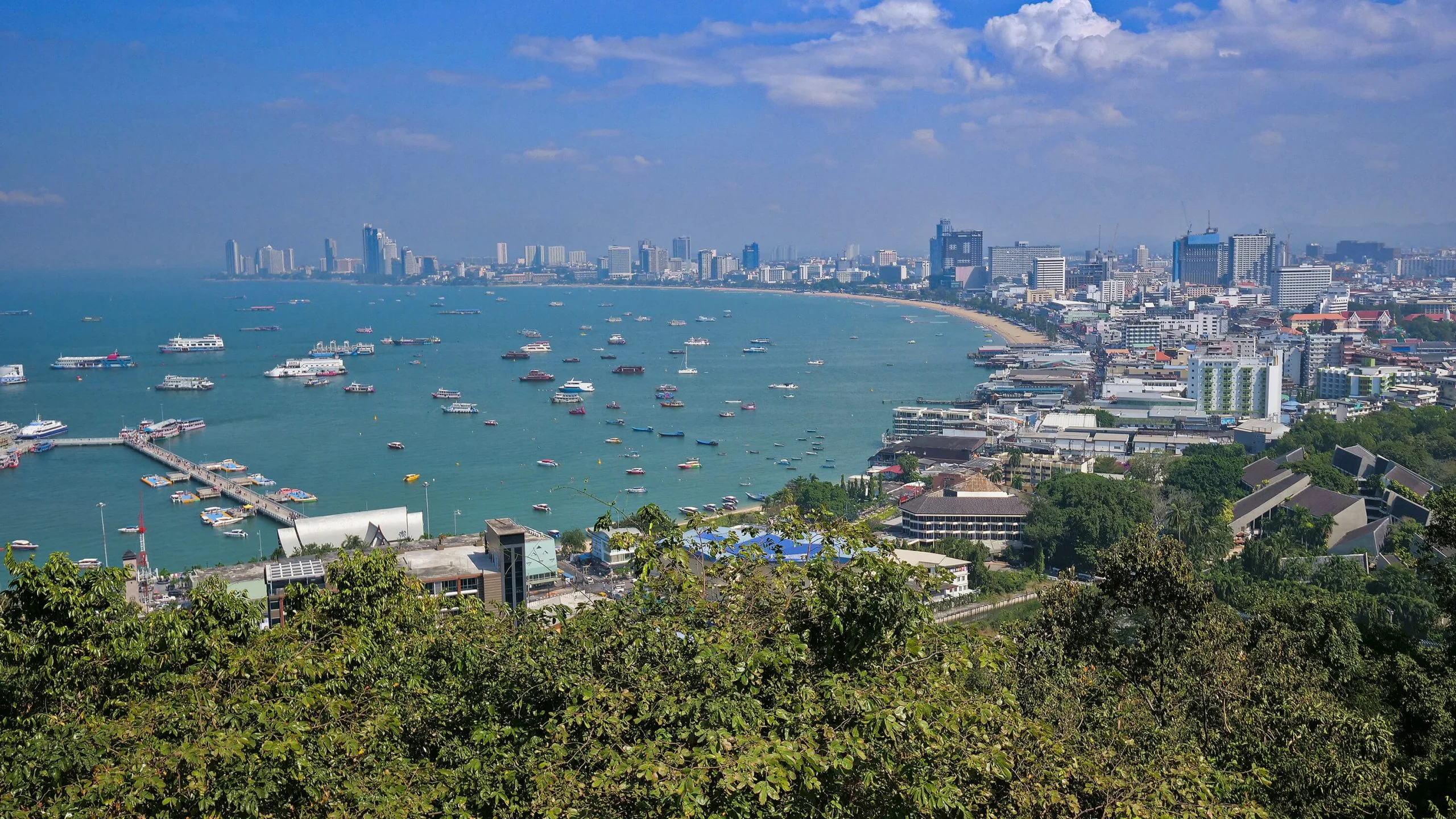
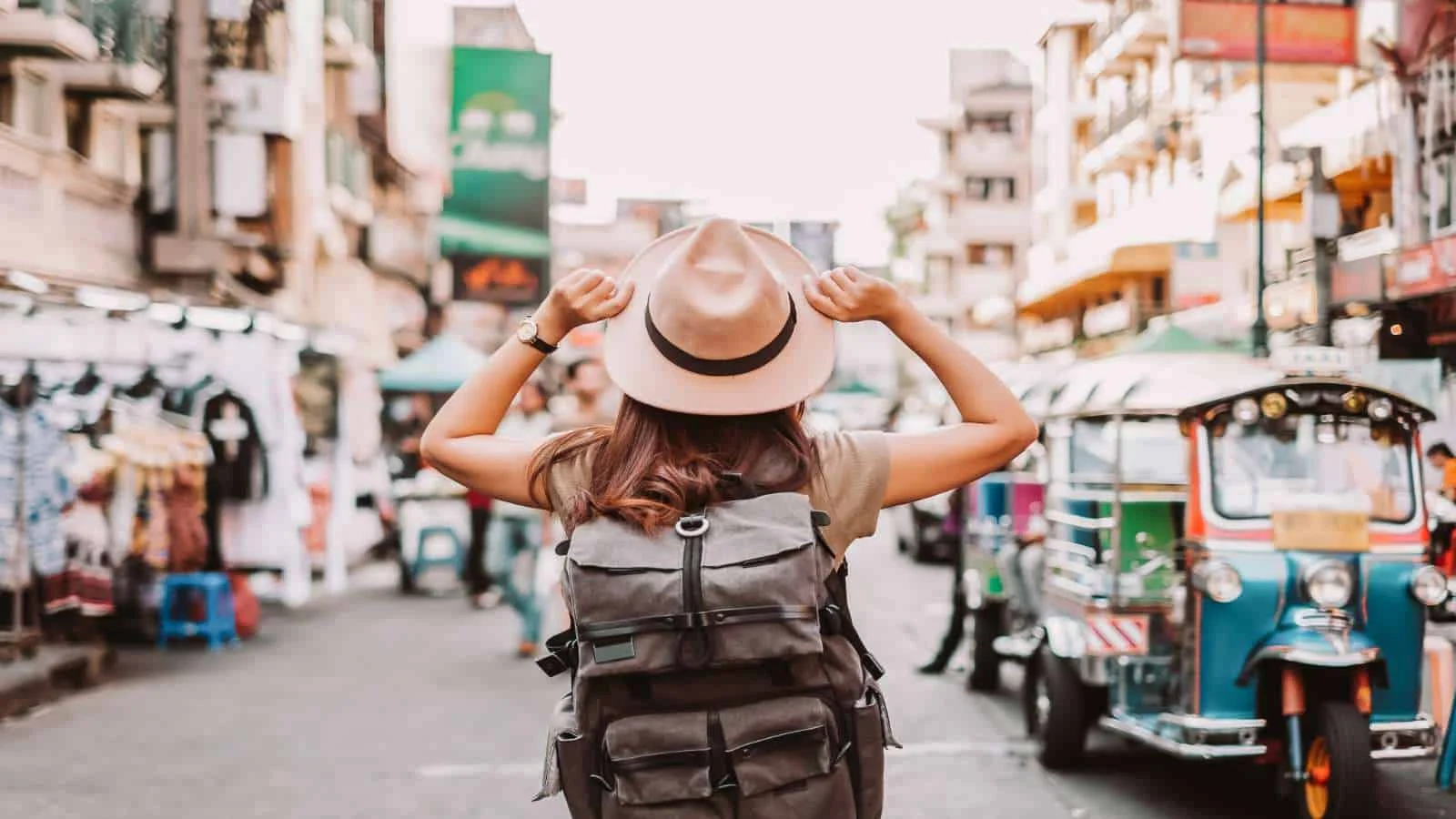
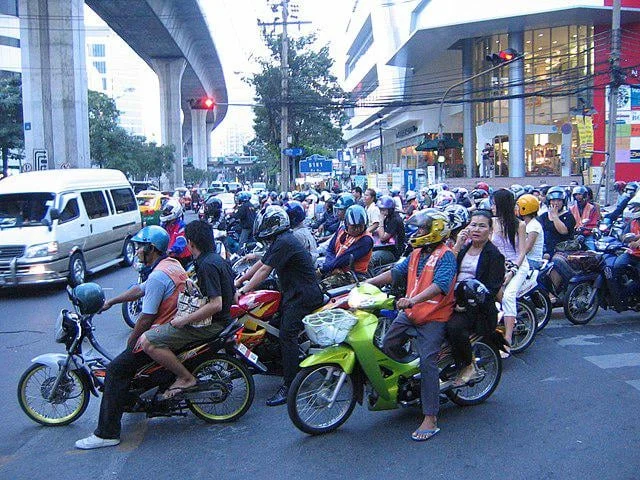
The most colorful and practical vehicles in Thailand's transportation logistics are **Tuk-Tuk** (three-wheeled motor) and **Baht Bus** (open-back truck taxi - Songthaew). While Tuk-Tuks offer a more touristy and personalized experience, their prices can often be higher than taxis and require strict bargaining before getting on. The Baht Bus, on the other hand, is the most economical public transport solution, operating on fixed routes in areas like ***_Pattaya_***, costing only **10-20 Baht** per person. Both vehicles are designed to suit Thailand's open-air climate and dynamic street structure.
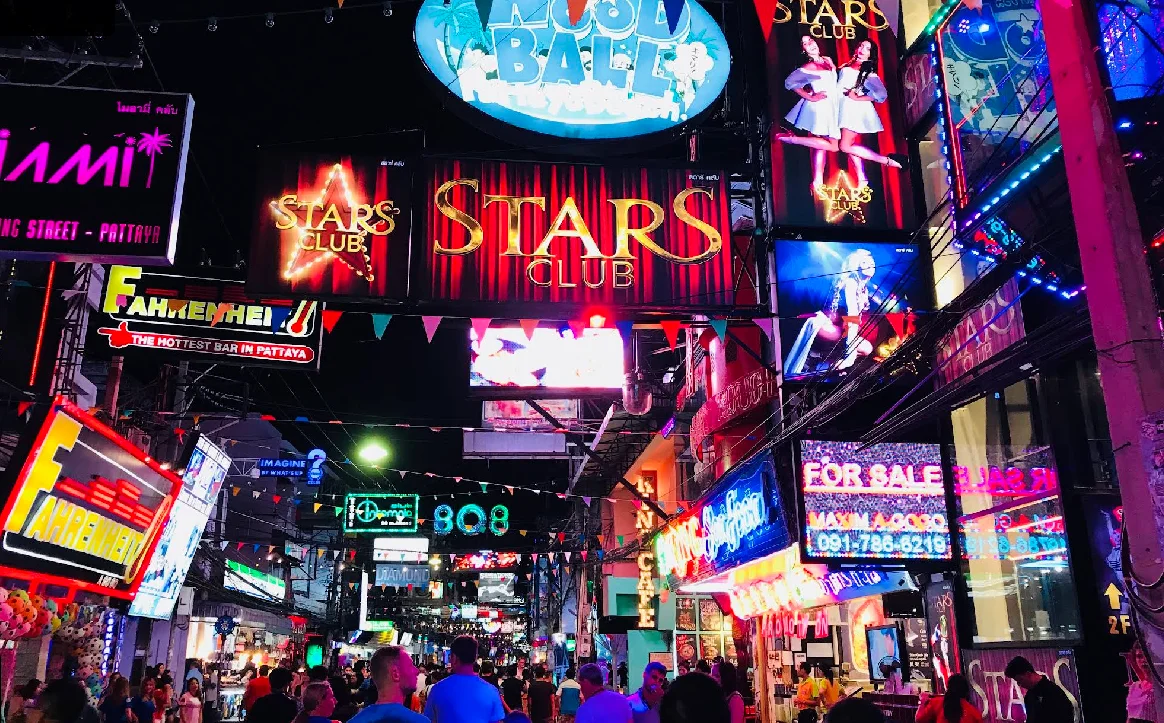
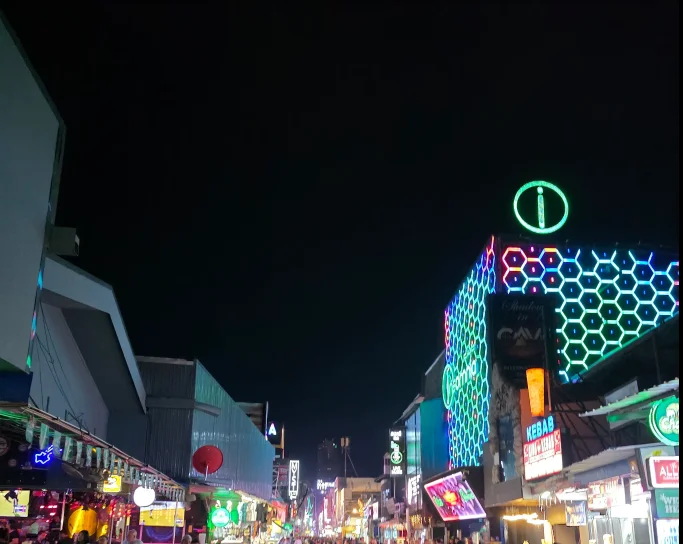
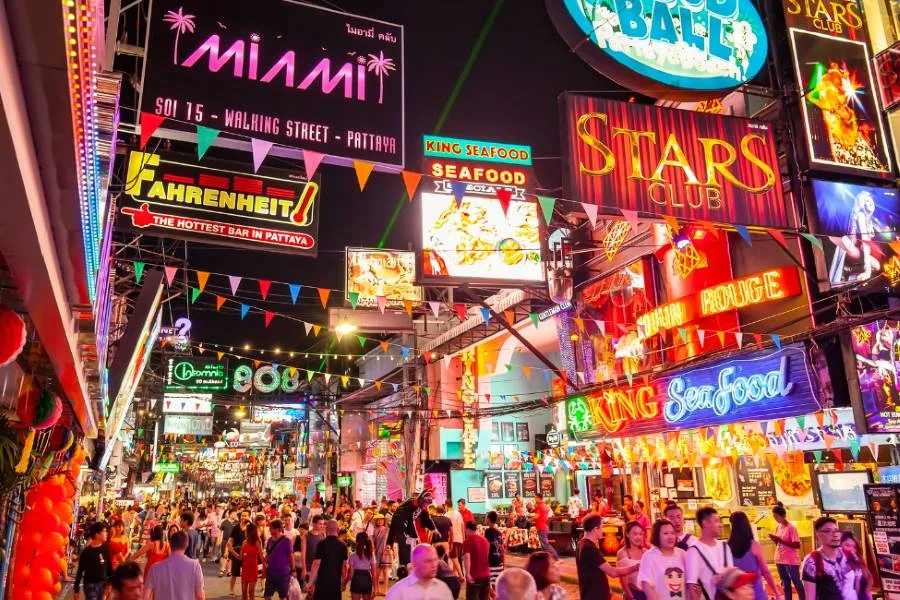
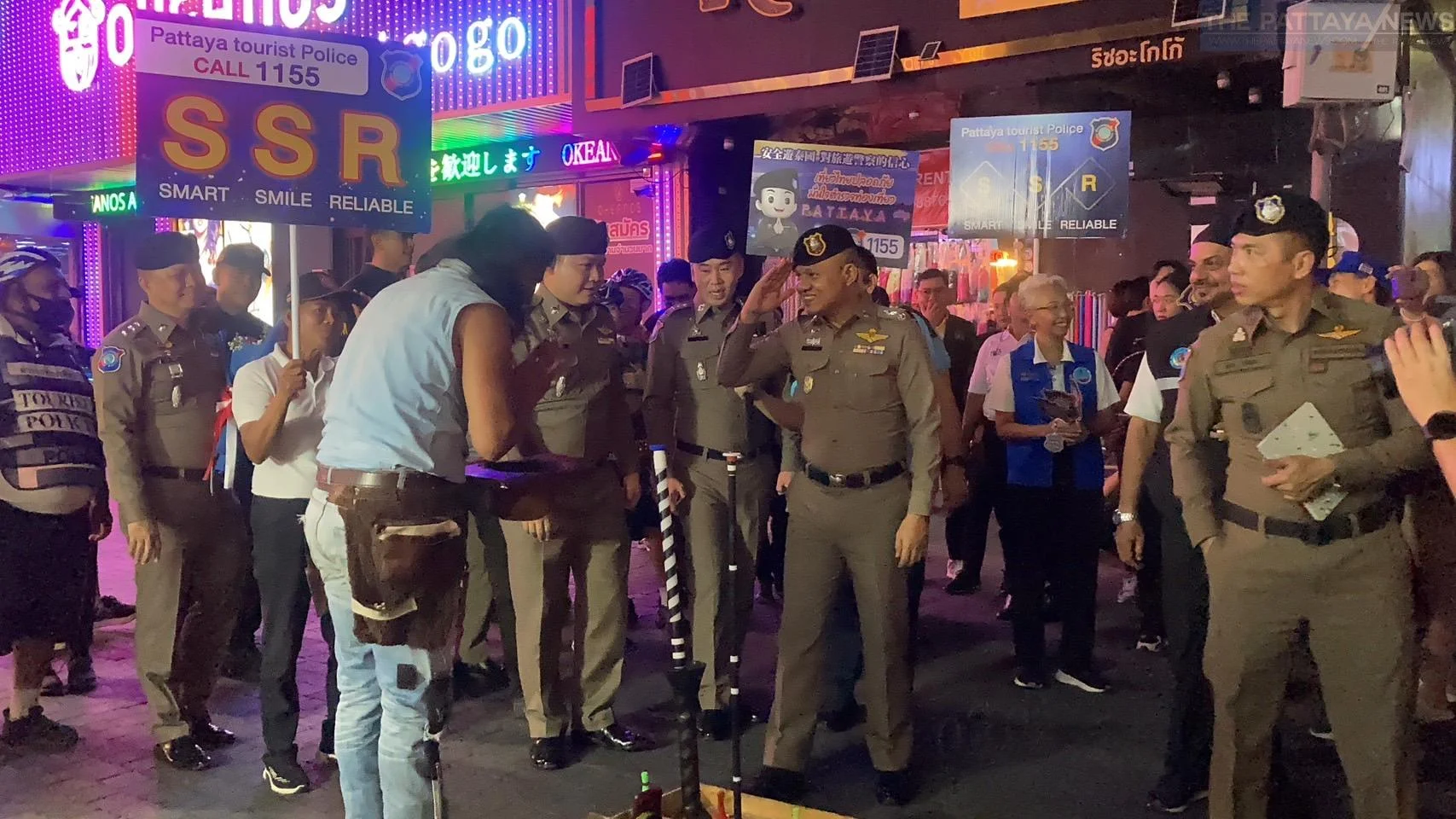
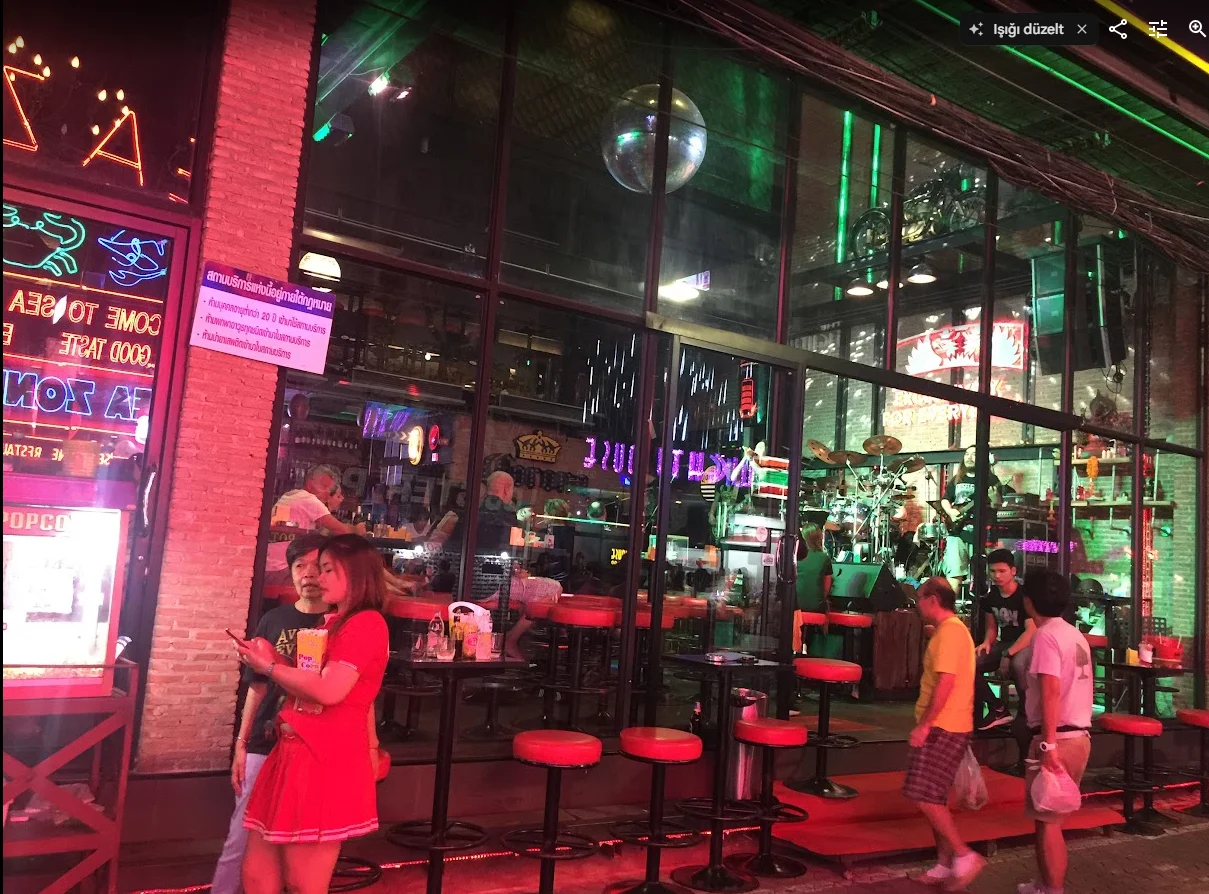
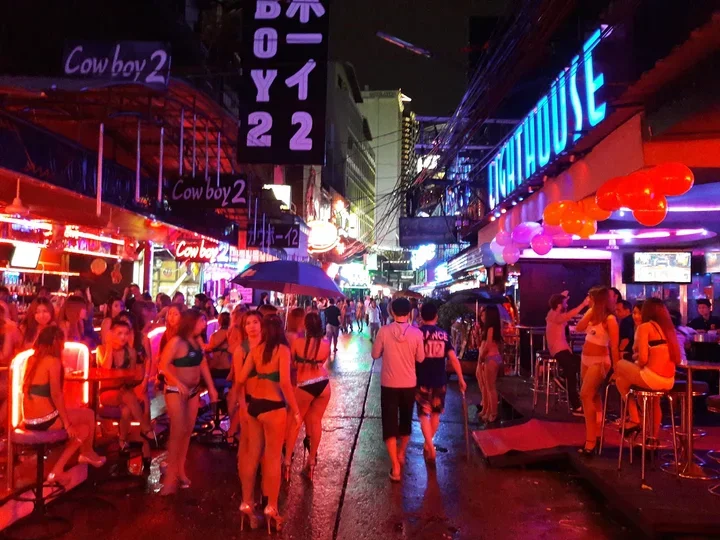
**Walking Street** is a 1-kilometer long street located in the south of Pattaya, closed to vehicle traffic between 6:00 PM and 2:00 AM (sometimes 4:00 AM), transforming into a massive entertainment platform. Known as the heart of the city's nightlife, this street hosts hundreds of Go-Go bars, live music venues, restaurants, and world-famous nightclubs like [Club Insomnia](/en/pattaya/yasam/club-insomnia-pattaya-inceleme-ve-gece-hayati) and [Republic](/en/pattaya/yasam/republic-pattaya-gece-kulubu-inceleme-ve-yorumlar). With its neon lights, street performances, and tourists from every language, Walking Street is undoubtedly the most energetic point of the Pattaya experience.
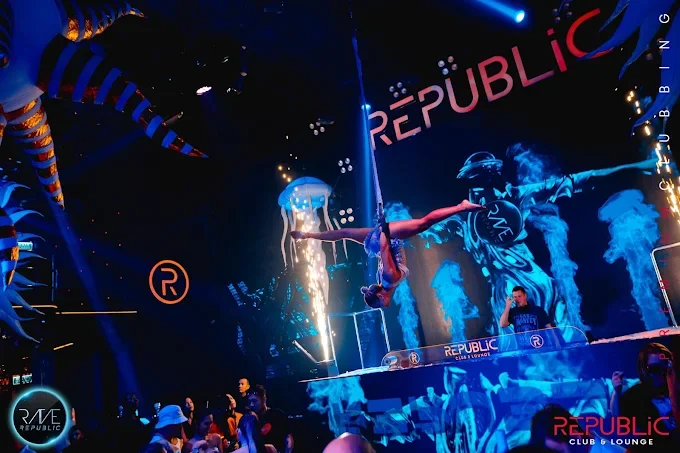
**Republic Pattaya** is a massive nightclub located near the entrance of Walking Street, notable for its modern design and high-tech sound/light systems. Unlike traditional Pattaya bars, it features a large stage reminiscent of major festivals in Europe, professional dancers, and a top-tier VIP service approach. According to visitor data from 2026, Republic has become the top choice for tourists seeking quality music and a spacious dance area.
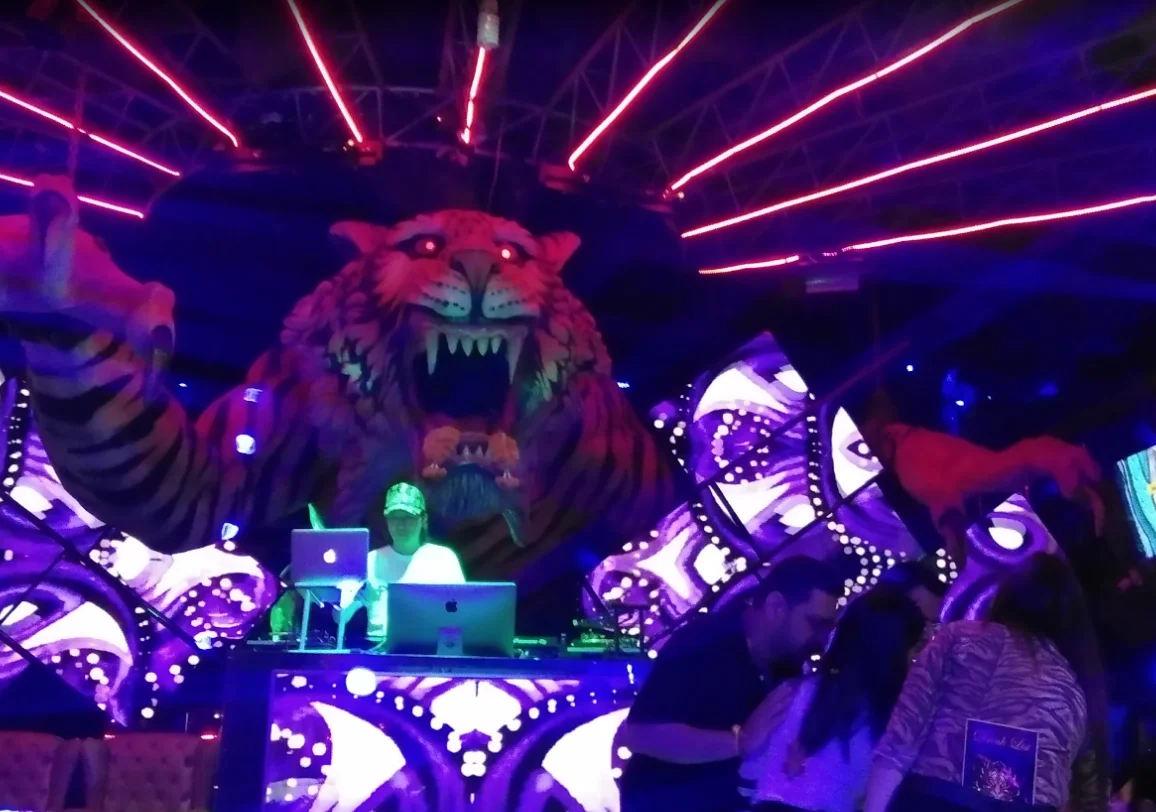
**Tiger Nightclub** is the most famous entertainment complex on Bangla Road in Patong, Phuket. Known for its massive 5,000 square meter area, prehistoric rock decor, and giant tiger sculptures, the venue consists of two main parts: the **Tiger Bar** on the ground floor (an open area focused on social interaction and music) and the **Tiger Disco** on the upper floor (an indoor area with loud music and professional DJ performances). Entrance is usually free, but fees may apply during major events or special nights.
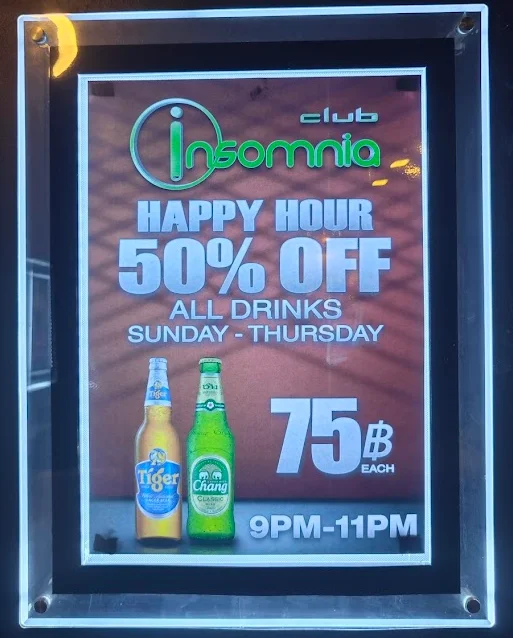
**Club Insomnia** is one of the largest and most established nightclubs in Pattaya, located on the world-famous Walking Street. The venue consists of two sections: the **iBar** on the ground floor offers a calmer atmosphere and sea views, while the **main club** on the upper floor provides entertainment that lasts until the early hours of the morning with a high-quality sound system and laser shows. The entrance is usually free, and the discounted prices (Happy Hour) applied before midnight are the biggest advantage for budget-conscious tourists.
# Time Engineering in Marine Operations: Analysis of Island Tours
Planning an island tour in Thailand is like adjusting the speed of a production line. If you set off at the same time as everyone else, you’ll find yourself in a "human traffic jam." As an engineer, I always conduct a "bottleneck" analysis in logistics processes; the bottleneck in island tours is the excessive crowding between 11:00 AM and 2:00 PM. Managing this timing during ***_Pattaya stays_*** or tours departing from Phuket increases your travel comfort by 200%.
### Advantages of Early Bird Tours
Why should you wake up at 5:30 AM and head to the port? Here are the technical reasons:
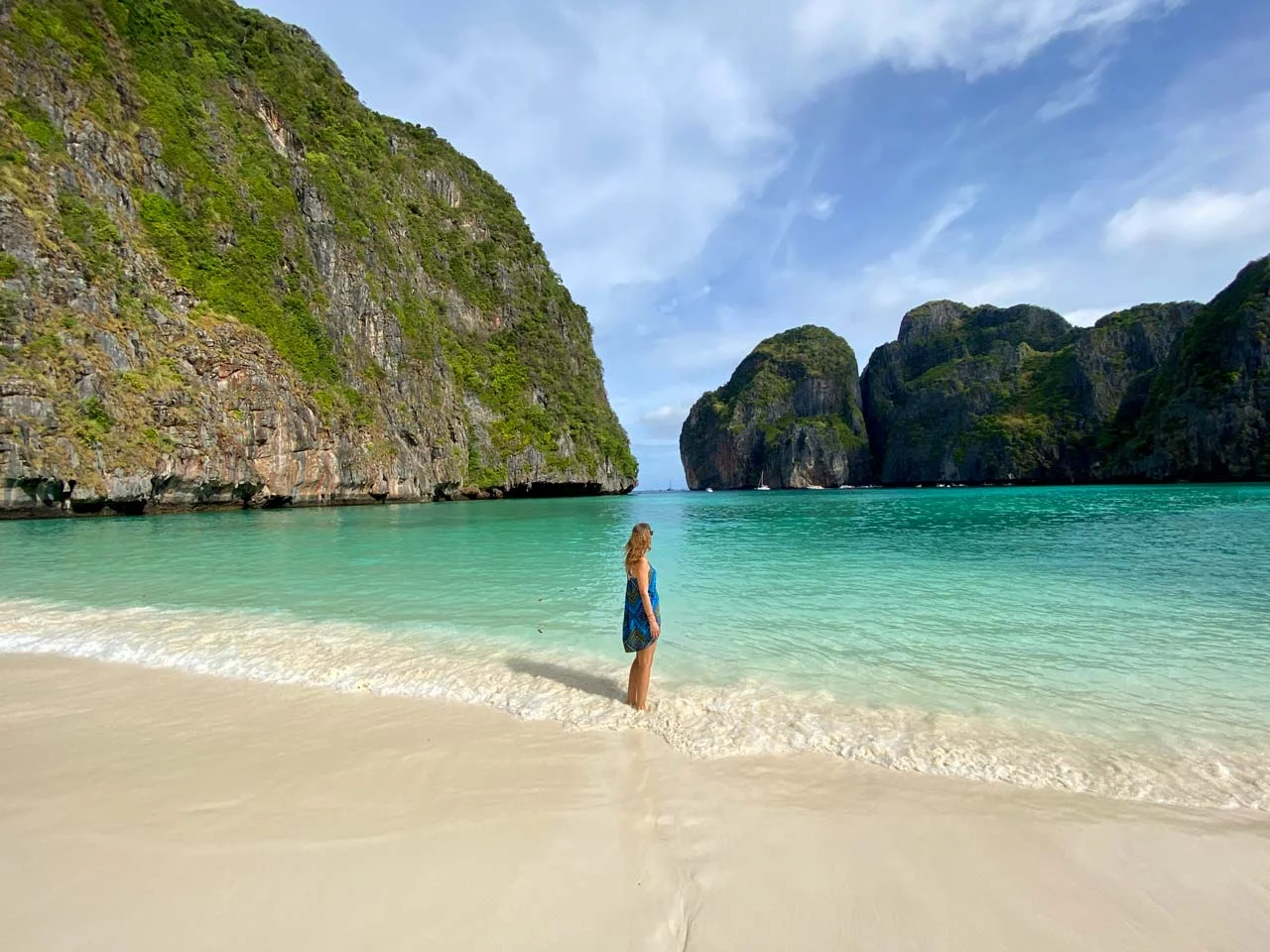
* **Maya Bay Protocol:** If you are on a Phi Phi tour, being at Maya Bay by 7:00 AM means sharing the beach with only a few people. After 10:00 AM, it turns into a "human logistics" hub.
* **Sea Conditions:** The sea is generally calmer (flat) in the morning. This provides a more comfortable journey on speedboats and better visibility while snorkeling.
* **Temperature Management:** During the hottest hours of the tropical sun, you will already be in the shaded part of the boat or enjoying lunch.
### Private Boat vs. Group Tours
You should choose based on your budget logistics:
1. **Group Tours:** They are economical, but you cannot decide the route. Doing "Early Bird" with quality agencies is the most reasonable middle ground.
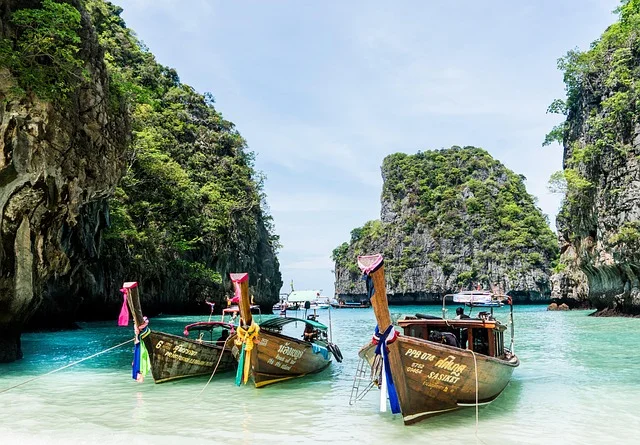
2. **Private Rental:** By renting a ***_Long-tail Boat_***, you can design the route in the opposite direction of the crowds. This is the most efficient "personalized harvest" method.
### Travel Safety and Energy Conservation
Starting the day early can challenge your body’s endurance. To avoid any ***_health issues_***, it is strategically necessary to limit alcohol consumption the night before the tour and to continuously hydrate with water on the boat.
## Arif GÜVENÇ's Recommendation
***🛡️ Island tours are the pinnacle of a Thailand trip, but poor timing can ruin all the fun. Based on my experiences; I recommend not saying, "I’m on vacation, why should I wake up so early?" Sacrificing that sleep will allow you to see the true silence of the islands. A warning from Arif GÜVENÇ; always check the cleanliness of any equipment (snorkel masks, etc.) that the tour operator claims is "free" before using it. From an engineer's perspective, I can say that the right timing yields the best results. Remember, the taste of coffee you drink on an empty beach in the cool morning cannot be matched by any lunch.***
---
**Author: Arif GÜVENÇ**
With 27 years of engineering vision, Arif GÜVENÇ analyzes the world and views travel as a process of discovery and efficiency. He simplifies Thailand’s complex structure with a fatherly intuition, producing reliable guides for travelers of all levels.
👉 **[Who is Arif GÜVENÇ? Read the Full Story](/en/genel/kurumsal/arif-guvenc-kimdir)**
---
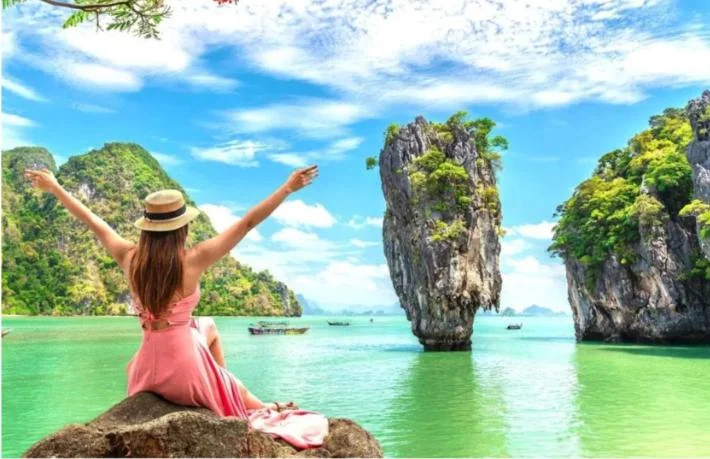
Phuket, in 2026, is not just a beach destination but a center for cultural and natural exploration. Among the island's "must-see" spots are the **Big Buddha** with its panoramic view, the historical texture of **Phuket Old Town**, and the sunset logistics of the famous **Promthep Cape**. In terms of activities, island tours to Phi Phi and James Bond islands, along with Bangla Road, the heart of nightlife, are essential stops that determine a tourist's harvest efficiency. Using the ***_Grab app_*** for safe transportation is the key to mobility success on the island.
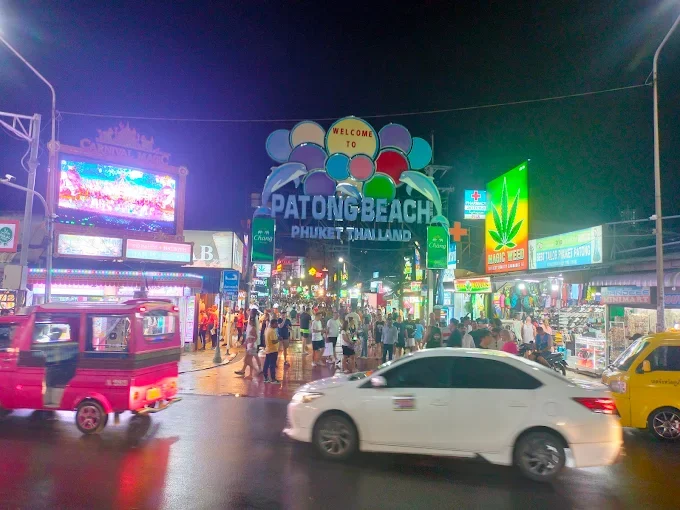
**Bangla Road** is a 400-meter street located in Patong, Phuket, which transforms into a massive open-air entertainment center after sunset. Known as the heart of Phuket's nightlife, this street is filled with dozens of **Go-Go bars**, live music venues, street performers, and world-famous nightclubs like Illuzion or ***_Tiger Nightclub_***. Catering to every budget and entertainment style, Bangla Road is an essential social stop on your Phuket experience.
In Thailand, **Happy Hour** is a special discount period implemented by bars, clubs, and restaurants during early hours (usually between 4:00 PM and 9:00 PM) when customer traffic is low. During this time, beers, cocktails, and some drinks are offered with "Buy 1 Get 1 Free" deals or at fixed low prices. For tourists looking to optimize their travel budget, Happy Hour is the most efficient financial preparation phase before the evening entertainment begins.
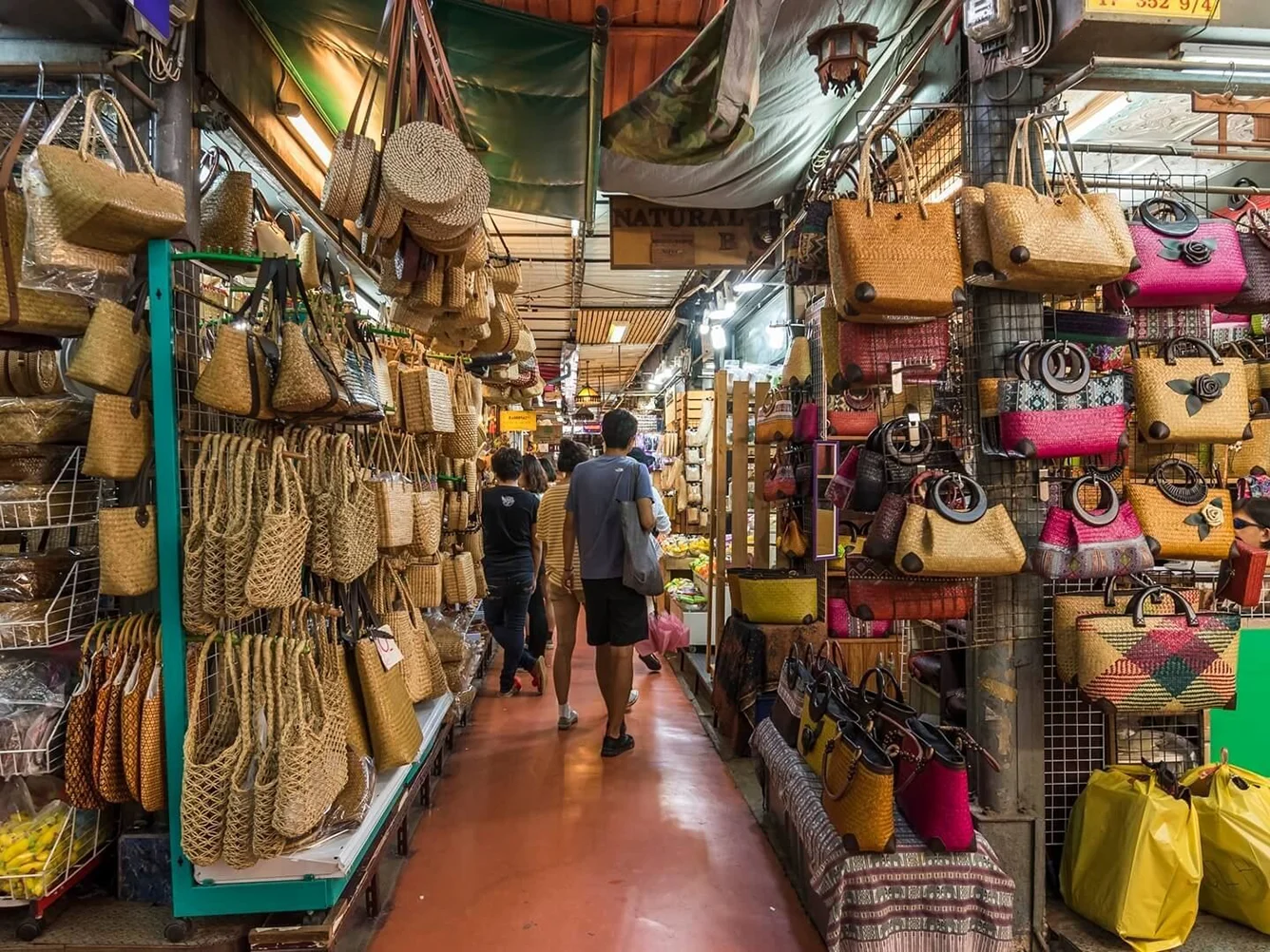
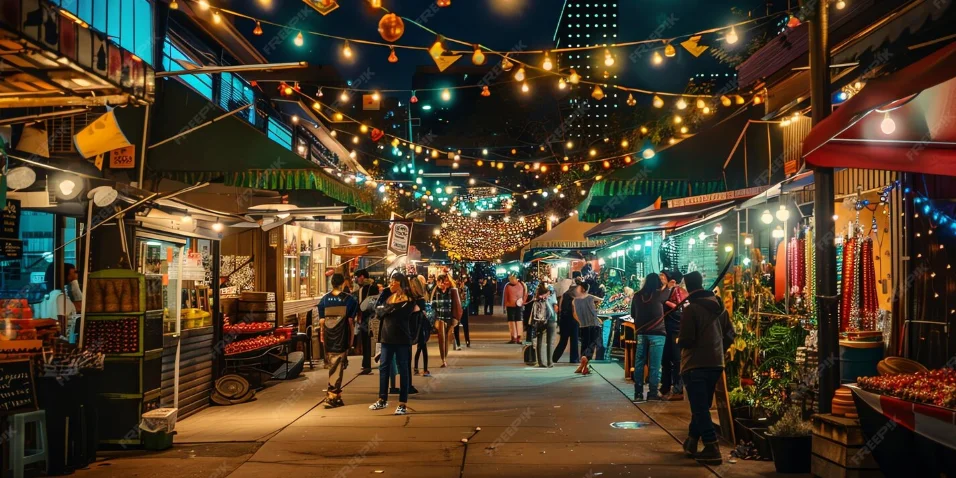
In Thailand, **Night Markets** are not just places for shopping; they are social ecosystems where local life and street flavors thrive. **Jodd Fairs** in Bangkok and **Thepprasit Night Market** in Pattaya are the most popular destinations for tourists. These markets typically operate from 5 PM until midnight. Logistically, using the ***_Grab app_*** to reach these areas or walking in the evening coolness is the most effective way to discover the true spirit of Thailand.
Shopping in Thailand is a balance between the fixed pricing structure of modern malls and the flexible bargaining culture of local markets. Bargaining is considered a social logistics process, especially in street markets and tourist areas; starting at 30-40% below the initial offer is a rational approach. By 2026, the use of credit cards and ***_PromptPay_*** will be standardized in large stores, while cash still provides an operational advantage at small stalls.
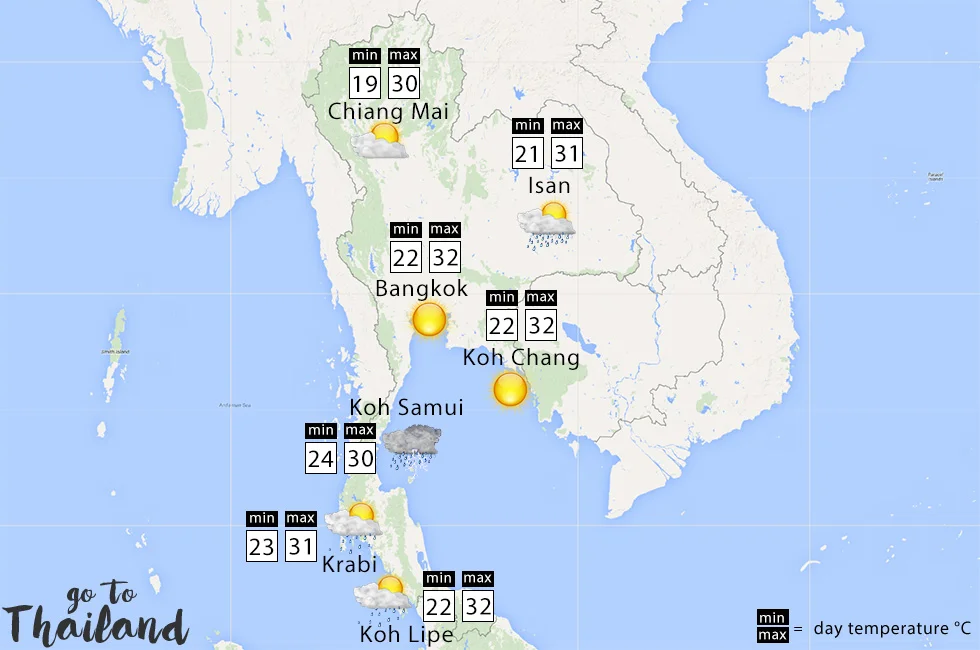
The success of **Island Hopping** operations in Thailand depends on geographical and seasonal logistics. The country has two main maritime regions: the **Andaman Sea** (Phuket, Phi Phi, Krabi) and the **Gulf of Thailand** (Koh Samui, Koh Phangan, Koh Tao). The Andaman side offers the highest yield from November to April, while the Gulf side is best from June to September. As of 2026, inter-island transportation has been optimized with fast ferries and speedboats, and tickets should be reserved in advance through digital platforms.
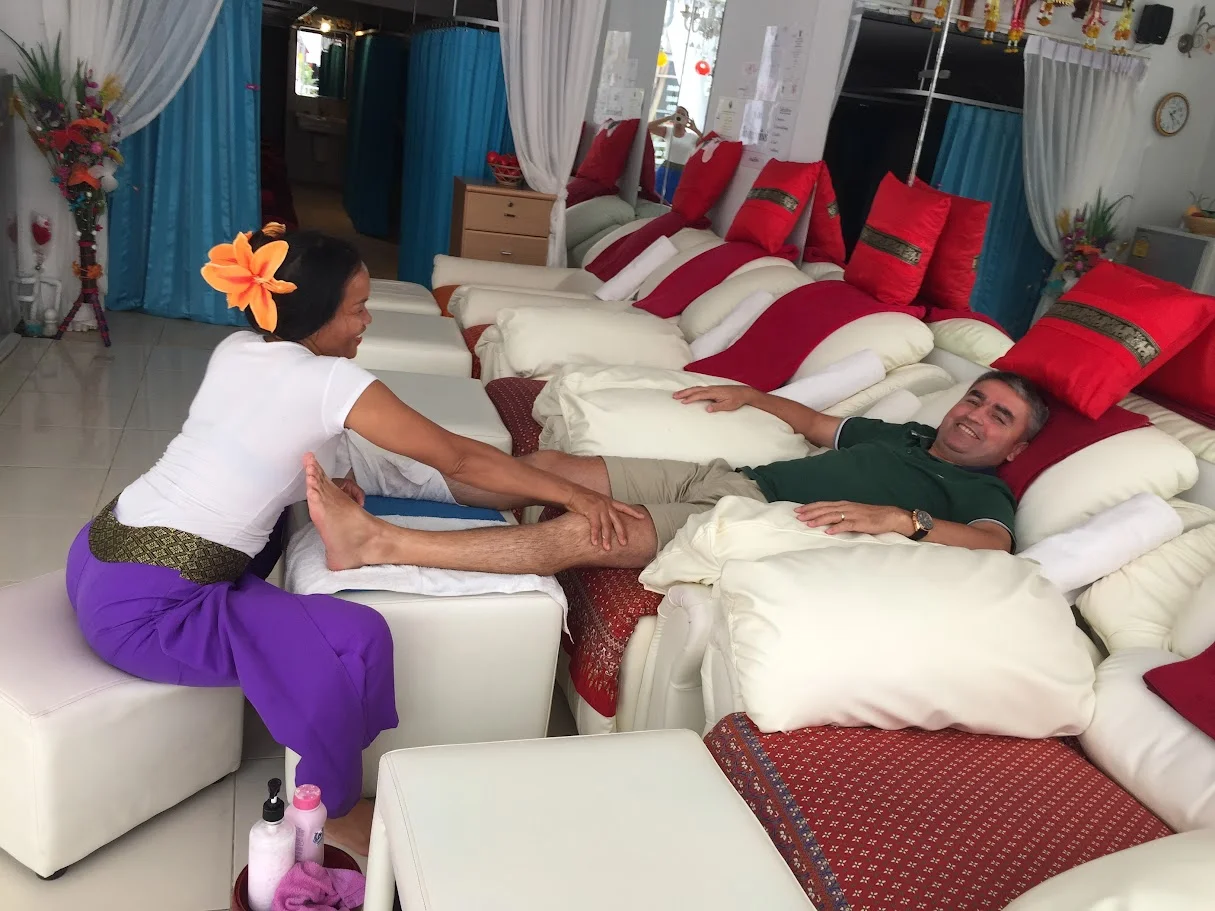
**Traditional Thai Massage (Nuad Thai)** is a "healing logistics" system with a 2,500-year history, listed as UNESCO Intangible Cultural Heritage. This method, performed without oils and based on stretching the body's energy lines (Sen), reduces muscle tension and optimizes circulation. The most popular types for tourists are Traditional Thai Massage, Foot Massage, and Aromatherapy Oil Massage. As of 2026, the cost of a standard one-hour massage in local salons is **200-350 Baht**, while luxury spa centers charge **1,500+ Baht**.
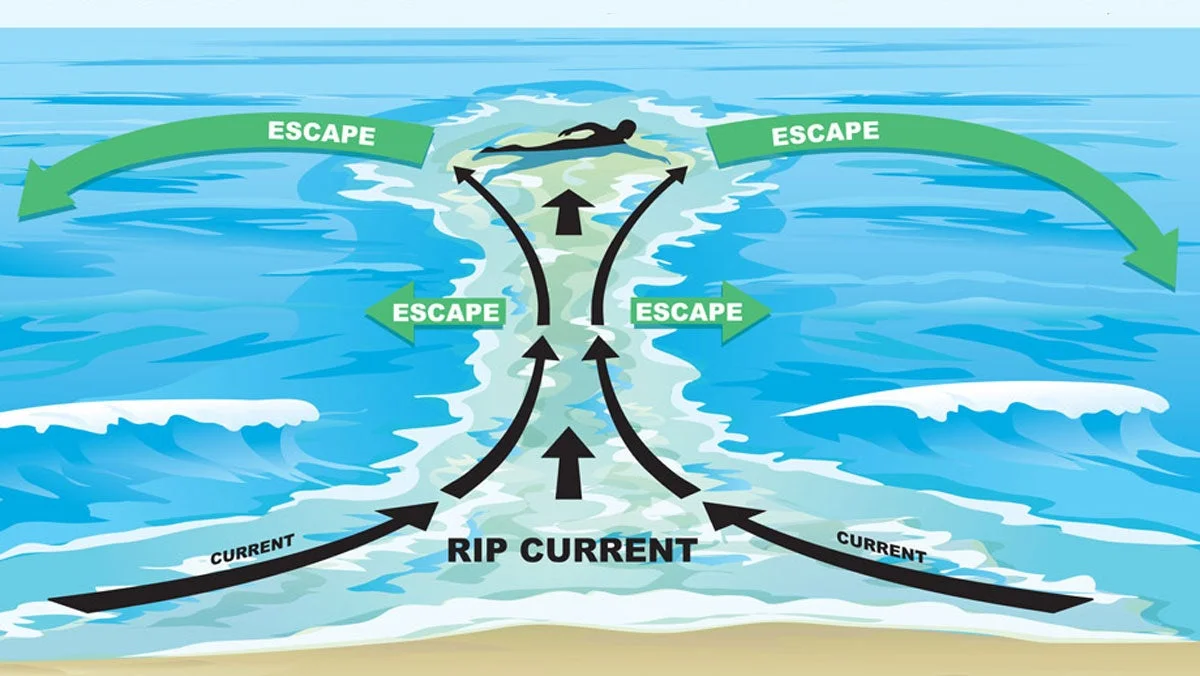
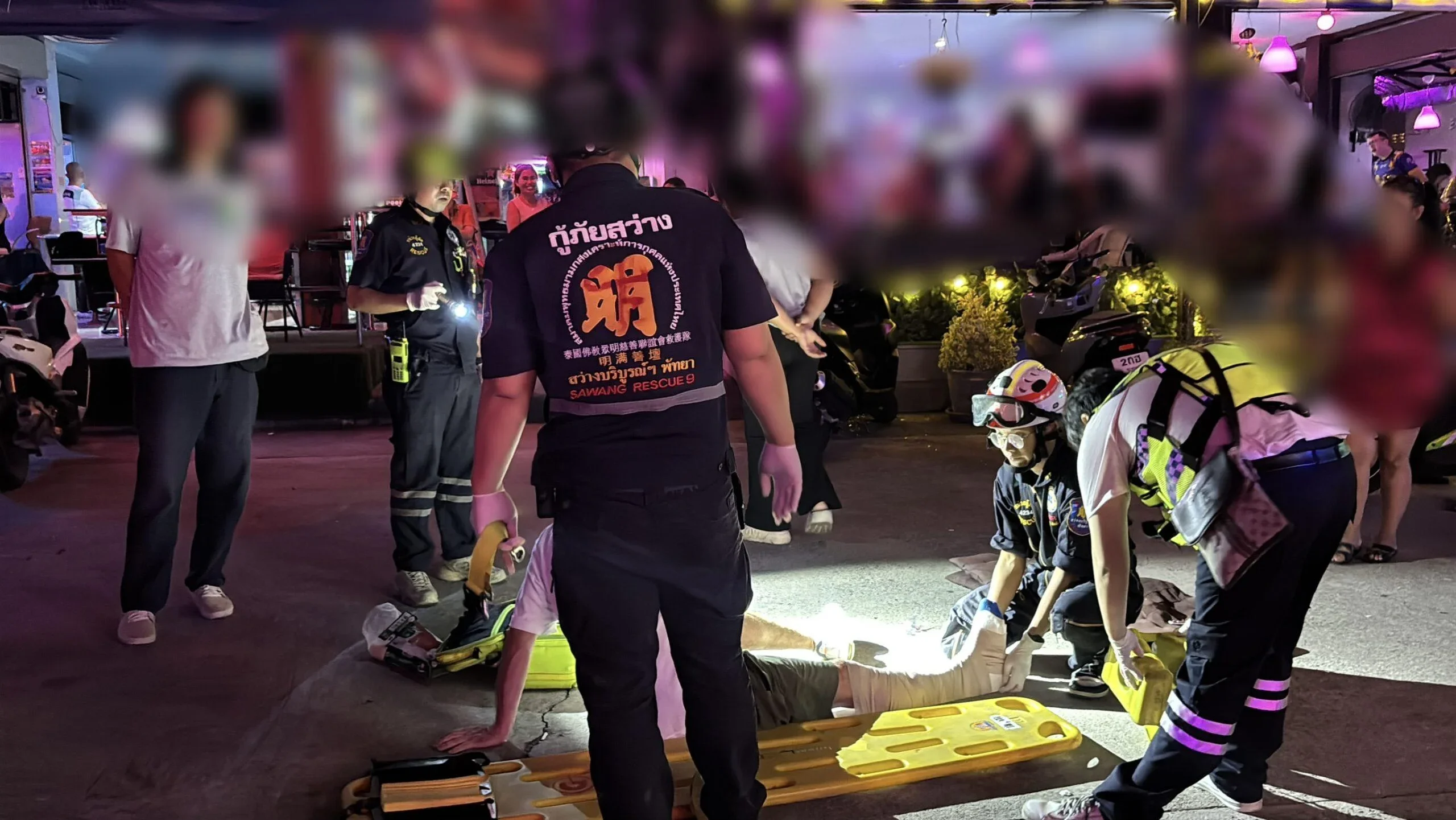
Phuket is generally one of the safest tourist destinations in the world; however, the concept of "safety" here is more related to logistical and environmental risks than law and order. According to 2026 data, the biggest risk factors in Phuket are motorcycle accidents, sea currents, and minor scams in ***_Patong nightlife_*** areas. Wearing helmets, using official taxi apps, and paying attention to beach flag warnings are the cornerstones of risk management.
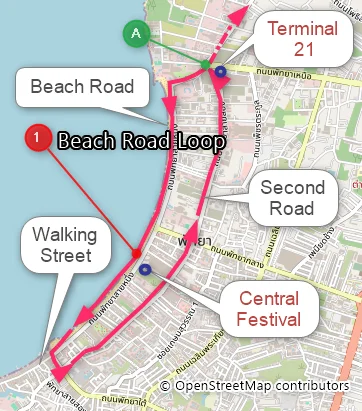
The most iconic and economical way to get around Pattaya is the blue trucks known as **"Baht Bus"** (Songthaew) among locals. These vehicles, which continuously circulate on the city's main arteries (Beach Road and Second Road), offer services for just **10-20 Baht** per person as of 2026. To stop these vehicles, simply wave your hand, and to get off, press the bell on the ceiling. The Baht Bus is both a public transport vehicle and an integral part of Pattaya's social logistics.
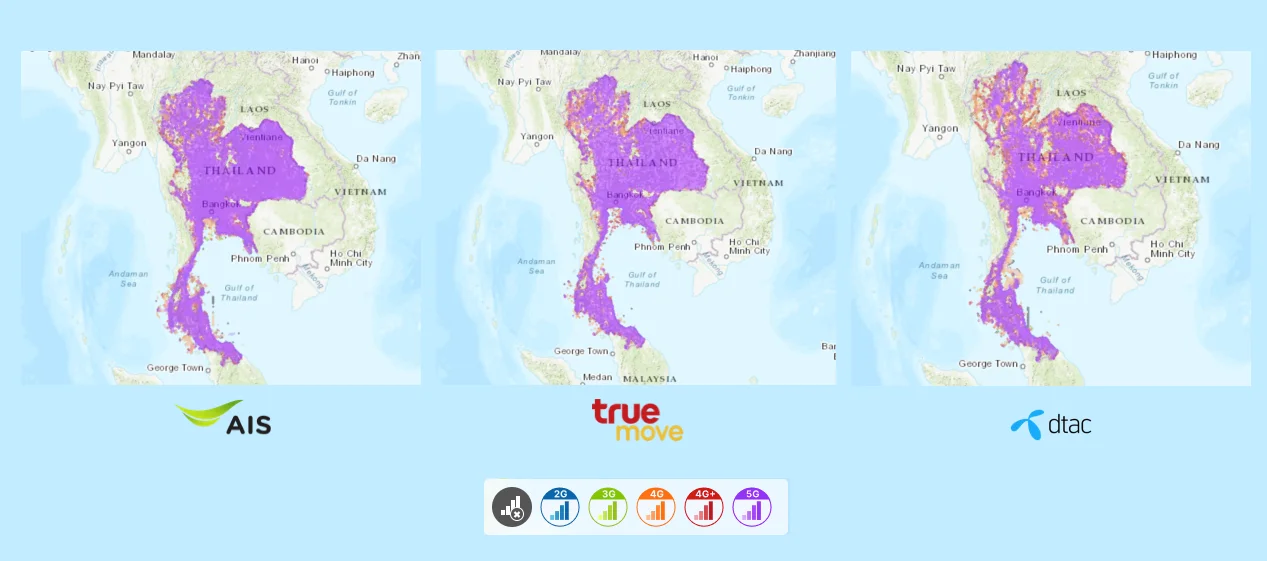
The most efficient logistical solution for uninterrupted internet access in Thailand is a local SIM card obtained at the airport upon arrival or purchased online in advance. The country's three main operators, **AIS**, **TrueMove H**, and **dtac**, offer special "Unlimited Data" packages for tourists lasting 8, 15, and 30 days. As of 2026, **eSIM** technology eliminates the hassle of changing physical cards, providing ease of digital activation. According to analytical data, AIS stands out as the operator with the widest coverage area and speed performance.
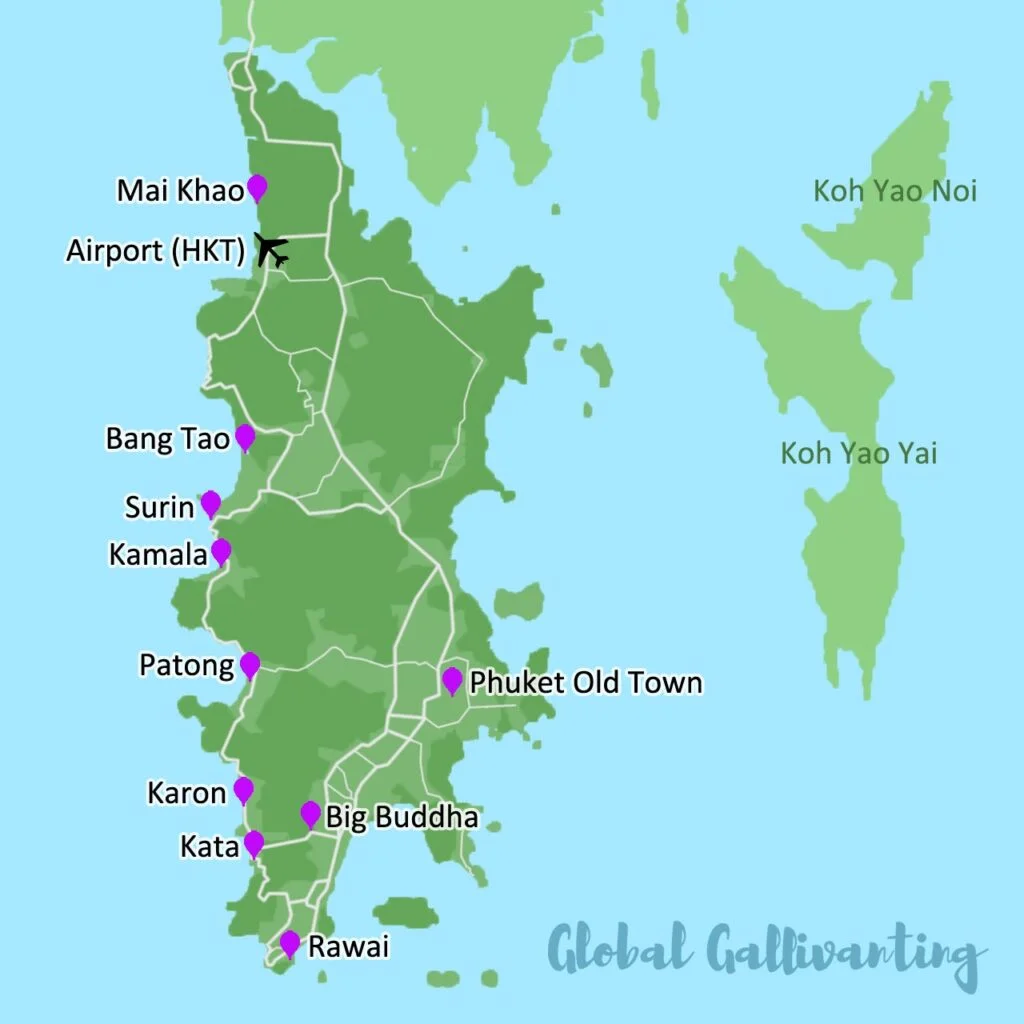
Choosing accommodation in Phuket depends entirely on your travel character: **Patong** for vibrant nightlife and shopping logistics, **Karon or Kata** for a balanced beach and family holiday, **Bang Tao** for luxury resorts and tranquility, and **Phuket Town** for local culture and affordable gastronomy. As of 2026, due to the costly logistics of transportation on the island, choosing a hotel within walking distance of the beach where you will spend the most time is the most efficient approach in terms of "time-cost" analysis.
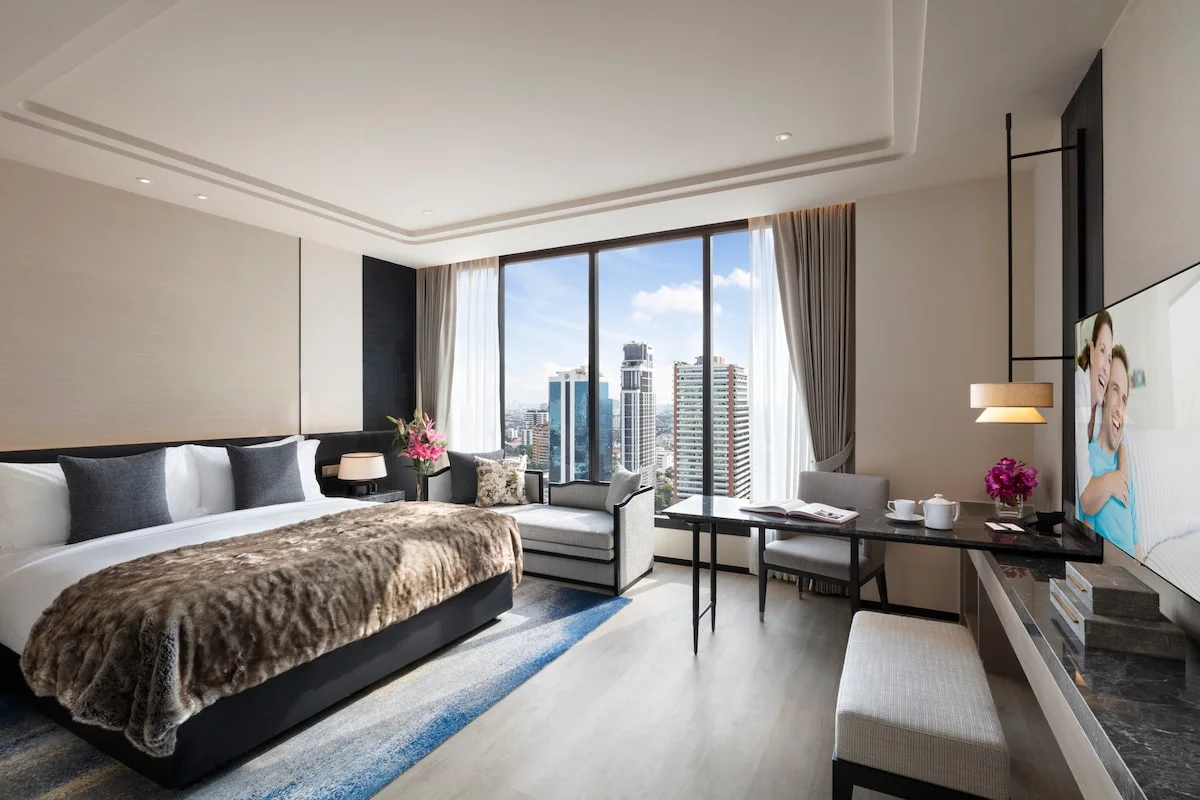
Choosing accommodation in Pattaya is divided into three main areas based on your travel purpose: **Central Pattaya** for proximity to entertainment and logistics, **Jomtien** for a quieter family holiday and clean beaches, and **Naklua (Wongamat)** for luxury resorts and tranquility. As of 2026, high-speed internet and digital check-in are standard in most hotels. For ease of transportation, hotels on ***_Beach Road_*** are in the most efficient location as they provide direct access to the "Baht Bus" route.
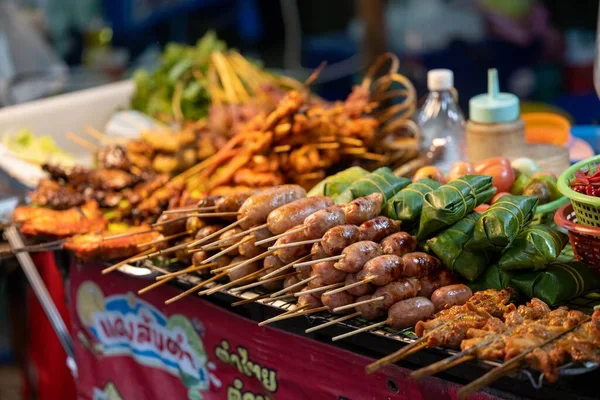
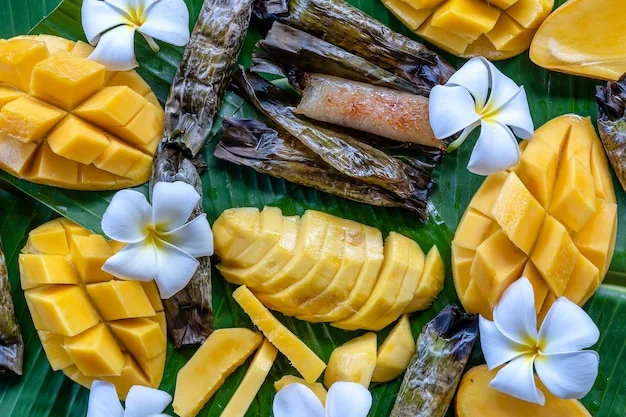
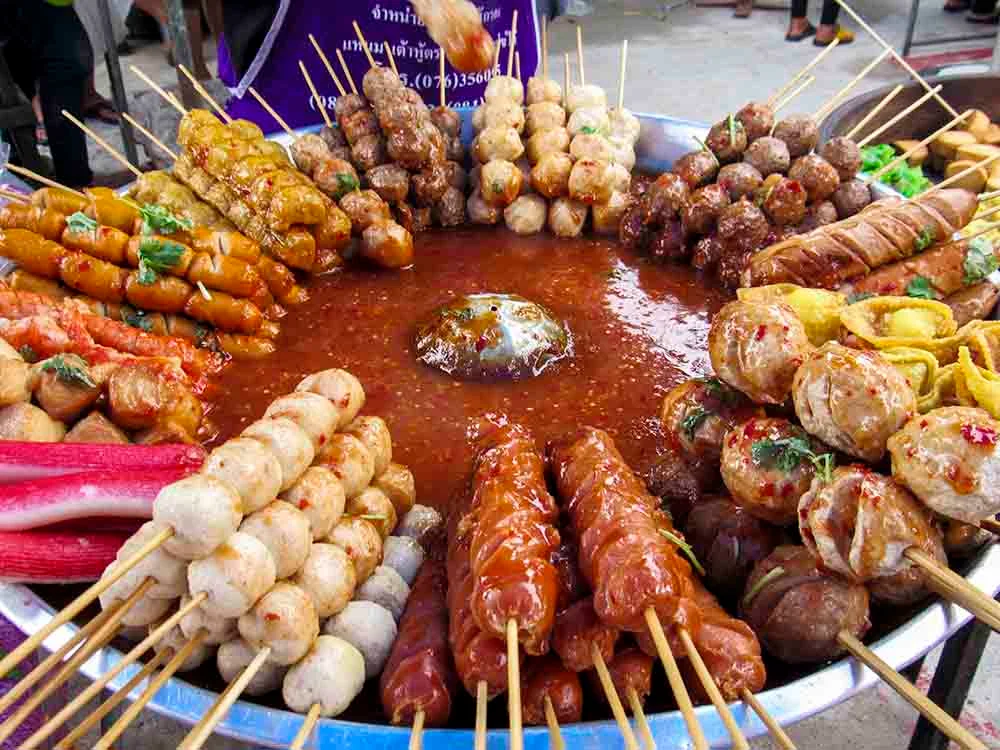
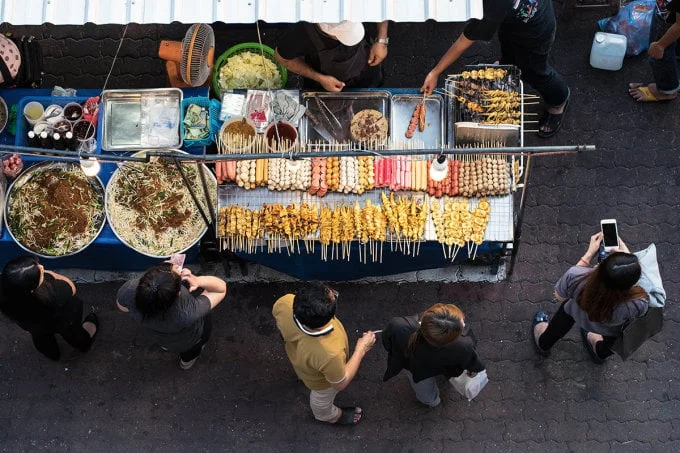
Thai street food ranks at the pinnacle of global culinary logistics. Among the most iconic dishes are rice noodle-based **Pad Thai**, spicy green papaya salad **Som Tum**, and the legendary dessert **Mango Sticky Rice**. For tourists to enjoy a hygienic tasting experience, it is rational to prefer stalls where food is freshly cooked in front of them, frequented by locals, and where attention is paid to the use of ***_clean water_***. As of 2026, most street stalls accept payments via QR code (PromptPay).
The English equivalent of the question "What to buy from Thailand?" is **"What are the best souvenirs from Thailand?"** The most valuable products to bring back to Turkey include world-famous **Thai Silk**, exotic dried fruits, herbal creams like **Tiger Balm**, and local aromatic spices. These gifts, light in logistics and heavy in cultural significance, are the best options that reflect the spirit of Thailand.
**Ladydrink** is a special drink you order for the female staff working in Beer Bars and Go-Go bars in Thailand to spend time with you, chat, or play games. This is not a "scam"; it is the fundamental **business model** of that venue. As of 2026, prices generally range from 180-250 Baht, with a portion of this amount going to the employee as commission and the remainder to the business. Ordering a ladydrink is considered a "service fee" for the time the staff spends at your table.
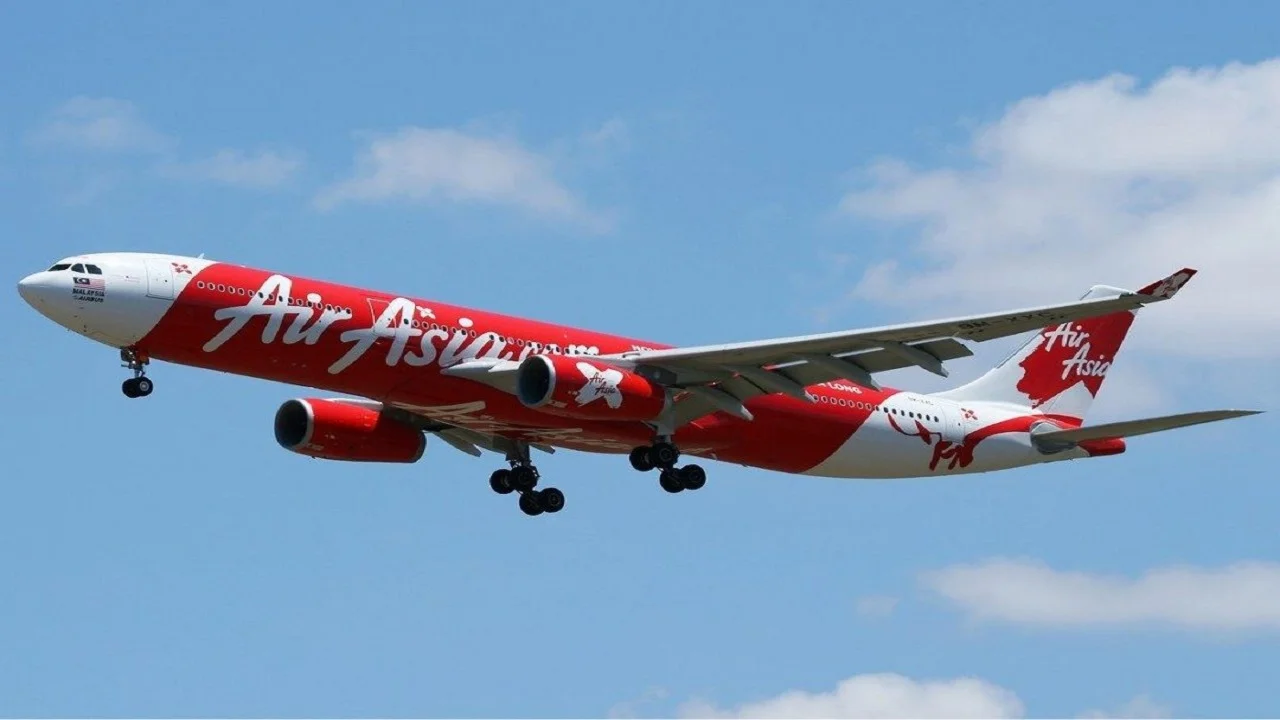
The most efficient way to reach Phuket from Pattaya is through direct flights from Pattaya's own airport, **U-Tapao (UTP)**. This air travel logistics takes about 1 hour and 15 minutes, making it unbeatable in terms of time cost. For those looking for a more economical alternative, the **Rayong-Phuket bus line** (VIP Buses) offers a road journey of approximately 12-14 hours. As of 2026, opting for direct U-Tapao flights instead of connecting flights from Bangkok is the most analytical strategy that increases travel efficiency by 50%.
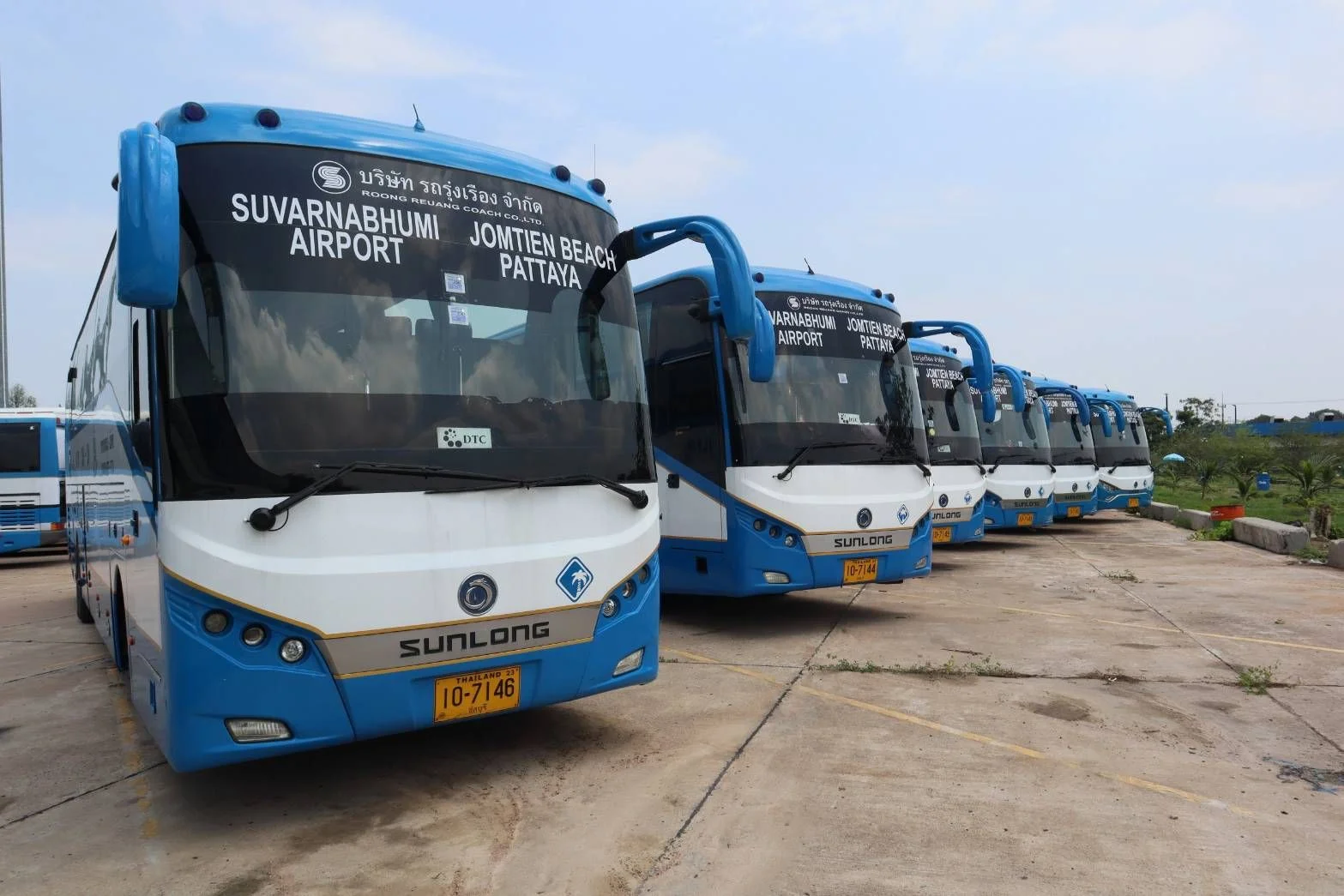
There are three most efficient ways to reach Pattaya from **Suvarnabhumi Airport (BKK)**: The most economical method is the **Roong Reuang Buses (143 Baht)** departing from gate 8 on the 1st floor, the most comfortable method is the **Official Taxis** costing around 1,500 Baht, and the fastest door-to-door solution is the **Private Transfer** services booked in advance. As of 2026, buses operate every hour, and the travel time varies between 1.5 to 2 hours depending on traffic logistics.
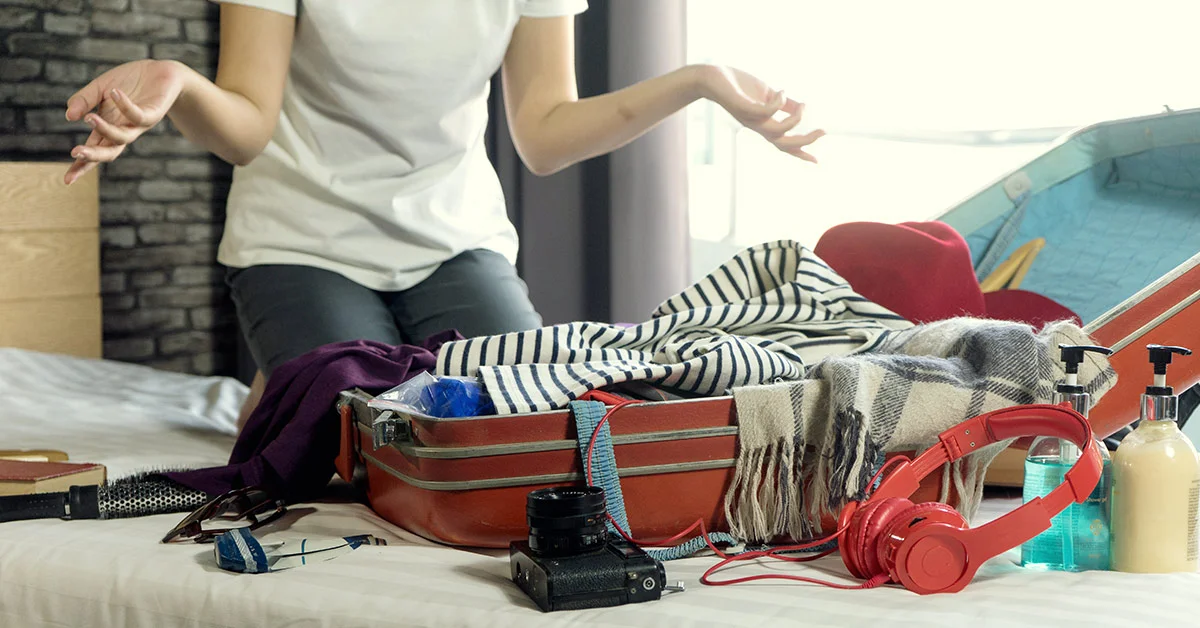
One of the biggest strategic mistakes when traveling to Thailand is to pack your suitcase to the brim. With an average of 80% humidity and temperatures above 30°C, lightweight and breathable cotton clothing is essential. Be sure to include clothing that covers your shoulders and knees for temple visits, a quality sunscreen, and ***_tropical mosquito_*** repellent. As of 2026, remember that you can meet most of your needs at 7-Eleven stores at reasonable prices; leaving some empty space in your suitcase is crucial for the logistics of "souvenirs" on your return.
The most common scams tourists encounter in Thailand include the "Grand Palace is closed" lie, Tuk-Tuk drivers who don't turn on the meter, and fake gem sales (Gem Scam). As of 2026, the most effective logistical measure against these digital traps is to use the ***_Grab app_*** for transportation, check the working hours of official institutions via Google Maps, and maintain a cautious analysis towards overly friendly "helpful" foreigners on the street.
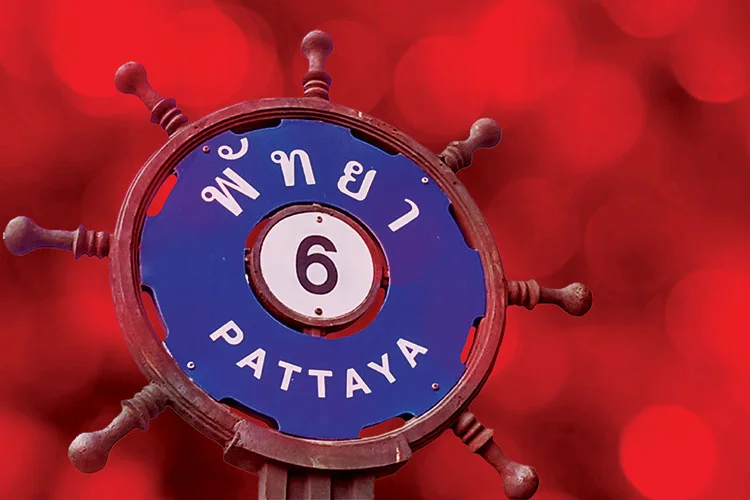
**Soi 6** is the busiest and most iconic "bar street" in Pattaya, located in the north of the city, connecting Beach Road and Second Road. Unlike Walking Street, the entertainment here starts around **1:00-2:00 PM**, featuring approximately 80-100 small "Beer Bars" lined up on both sides. Resembling a narrow corridor logistically, Soi 6 is considered the heart of Pattaya's "daytime entertainment" due to its friendly atmosphere, affordable ***_drink prices_***, and the energetic staff spilling out onto the street.
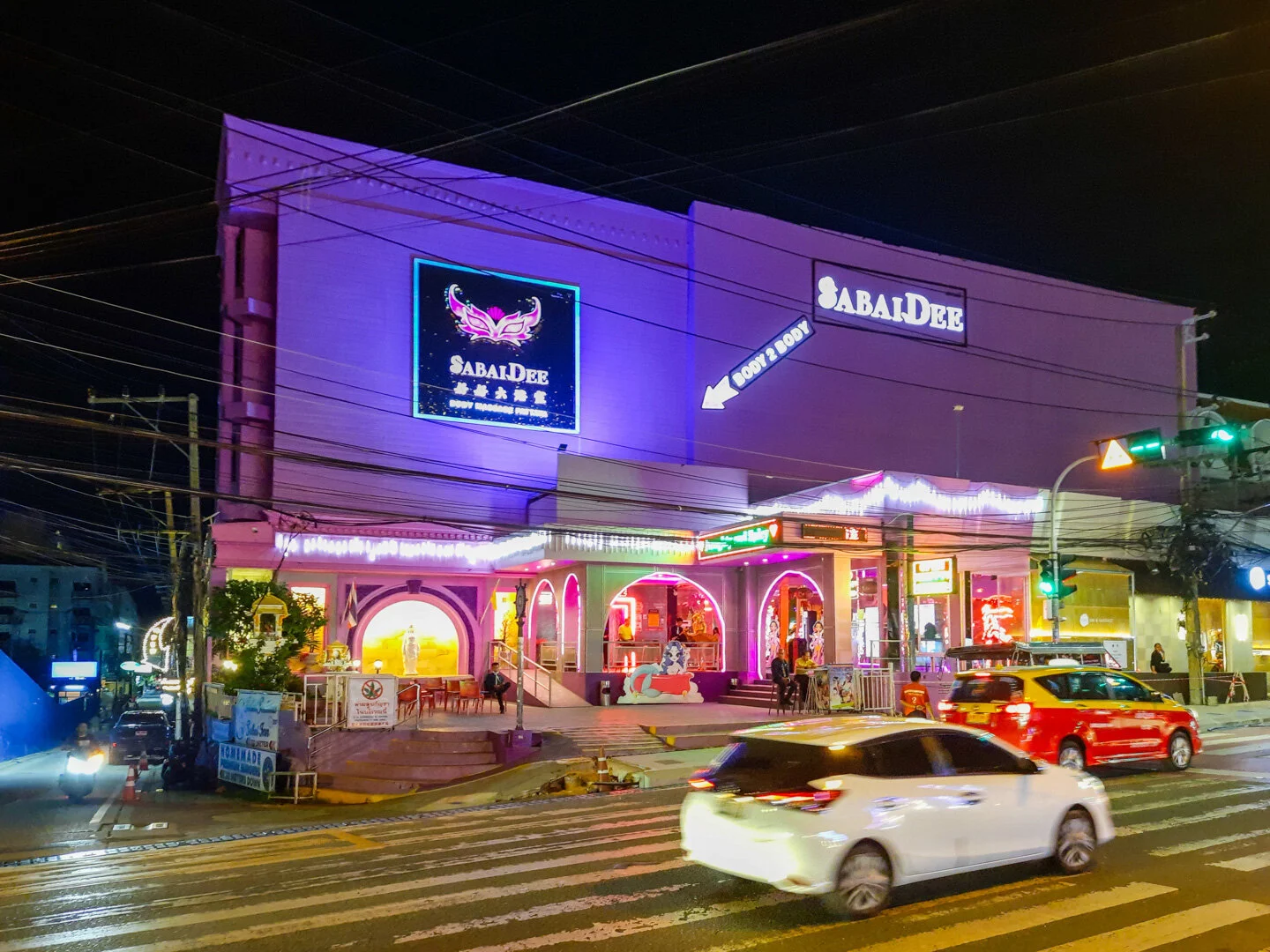
**Soapy massage** is one of the most iconic and luxurious segments of Thailand's nightlife; it is a "body-to-body" experience that combines body care and massage in large tubs. Among the most established and high-standard venues offering this service in Pattaya are **Sabai Dee**, **Honey 2**, **Rasputin**, **PP Body Massage**, and **Sabai Wing**. As of 2026, prices generally range from **2,500 Baht to 6,000 Baht** depending on the duration of the service and the luxury level of the venue.
In Pattaya, the budget for a night out ranges widely between **1,500 Baht and 10,000 Baht** depending on the type of venue you prefer. On an average standard night; beer prices range from 80-160 Baht, cocktails from 250-400 Baht, and "Ladydrink" payments are around 200-250 Baht. The main factor determining the budget in Walking Street logistics is not the number of drinks but the social interactions in Go-Go bars and transportation costs at the end of the night. As of 2026, cash usage is still common, but many venues accept payments via ***_PromptPay_***.
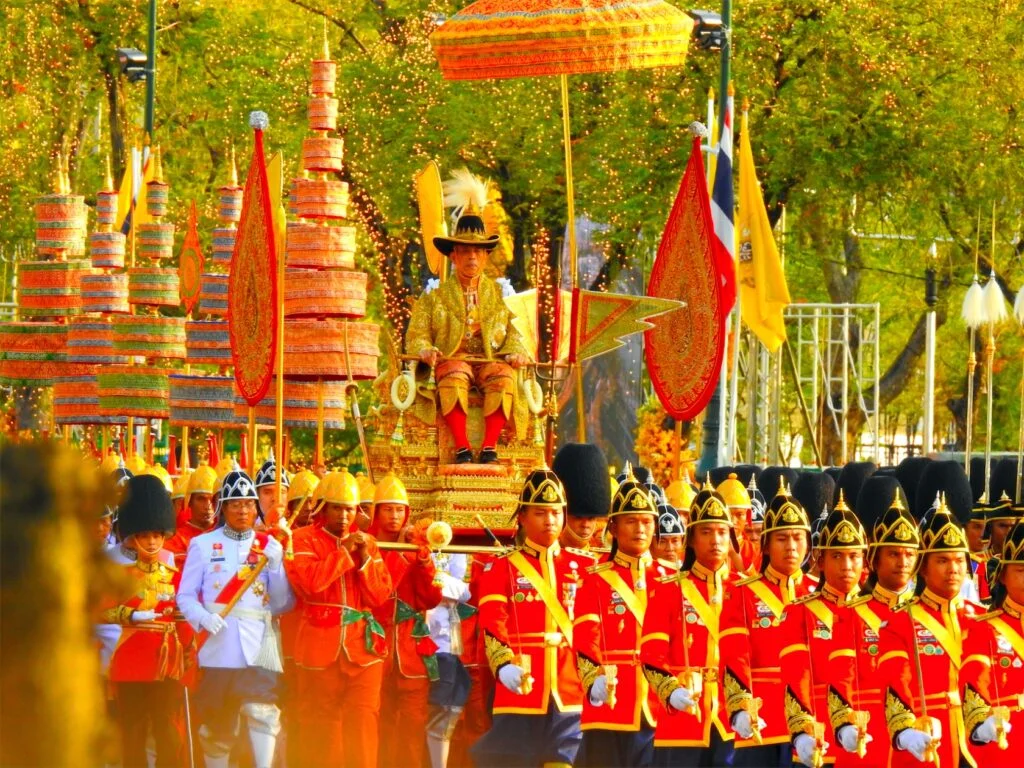
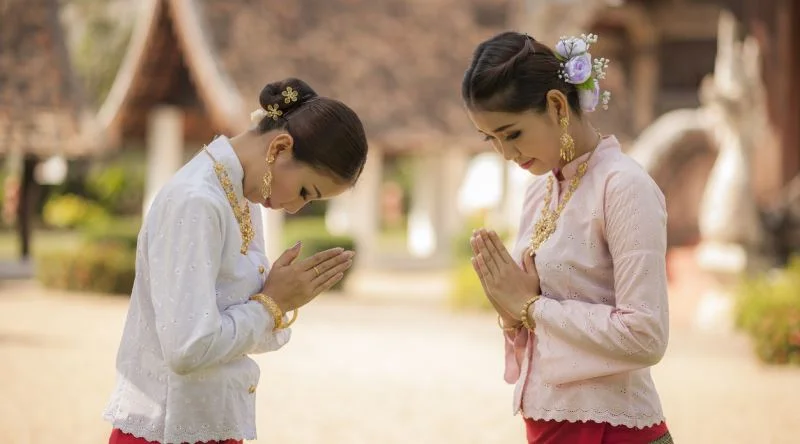
Thailand, known as the "Land of Smiles," has a very strict ethical structure based on social hierarchy and religious values. The **Wai** greeting, absolute loyalty to the Royal family, and adherence to Buddhist traditions are the cornerstones of social logistics. To be accepted as a foreigner (Farang) in Thailand, one must not only know these rules but also internalize and practice them.
The basic rule for having a safe night in Pattaya is to prefer corporate and well-known venues. The most common "nightlife traps" include opaque bills in upper floor bars, "special shows" recommended by motorcycle taxi drivers, and exorbitant bills that arise after consuming ***_alcoholic beverages_***. To ensure your safety, always choose crowded and visible venues on the ground floor, and in case of any issues, directly contact the ***_Tourist Police_*** units.
**Farang** is a term in the Thai language that generally means "a foreigner of Caucasian descent" (Western). Its origin is based on the Persian word *Farangi*, which means "French." In Thailand, this term is used not only to describe people but also to refer to ***_tropical fruits_*** (e.g., guava) or foreign-origin products (e.g., Farang potatoes). It usually does not carry an insult; however, depending on the context and tone of voice, it can transform into a logistical label distinguishing between "pure tourists" or "settled foreigners."
Getting involved in a bar fight in Thailand is assessed under various crime categories ranging from simple assault to serious battery. According to the Thai Penal Code (Section 295), the penalty for simple assault is **up to 2 years in prison** and/or a fine of **up to 40,000 Baht**. If the fight results in serious injury or permanent damage (Section 297), the penalty can increase to **up to 10 years in prison**. The main critical risk for foreigners is the cancellation of their visa after imprisonment, being blacklisted, and deportation.
Shopping in Thailand has a hierarchical structure. Chain stores like **7-Eleven** and **Lotus’s** are at the center of the logistics network for daily food needs, while local morning markets (Talad) are the most economical choice for fresh produce. For luxury consumption and technology, massive complexes like **Siam Paragon** and **CentralwOrld** in Bangkok offer world-class services. By 2026, VAT refund processes have been digitized, making shopping more attractive for tourists.
Thai massage is not just a relaxation method; it is a technical healing practice that combines principles of acupuncture, yoga, and Indian Ayurveda. As of 2026, traditional massage prices across Thailand range from **300-450 Baht** per hour. There are two main styles that determine the quality of the experience: the widely known ***_Chalosiak_*** style, which uses elbows/knees, and the fingertip-focused ***_Raja Samnak_*** style, applied only to royalty and high-ranking officials.
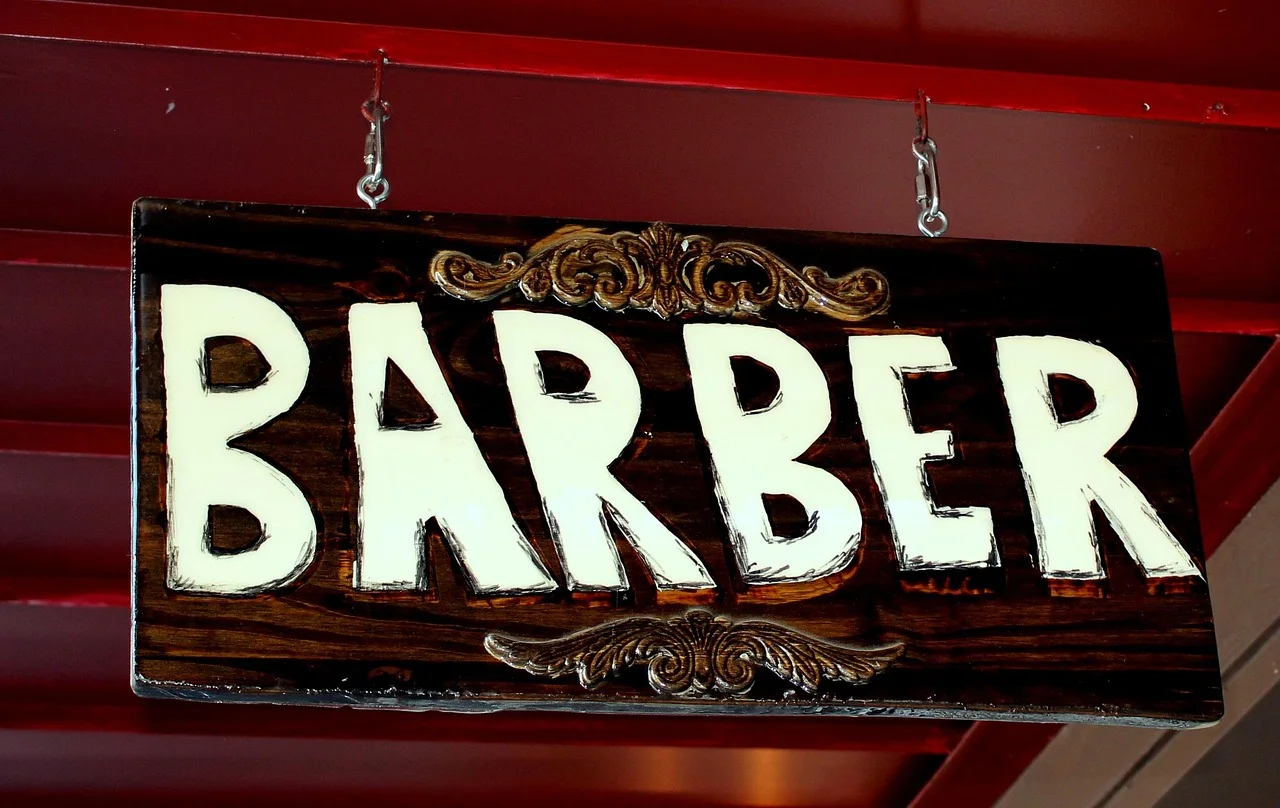
The haircut experience in Thailand ranges from neighborhood barbers at 100 Baht to luxury hair studios at 1,500 Baht. Showing a photo is the safest strategy to overcome the language barrier. In local barbers, the traditional "neck and head massage" after a haircut is a routine service, while luxury salons prioritize international hygiene standards and expertise. Especially in cities like Pattaya and Bangkok, chain salons in shopping malls are the least risky choices.
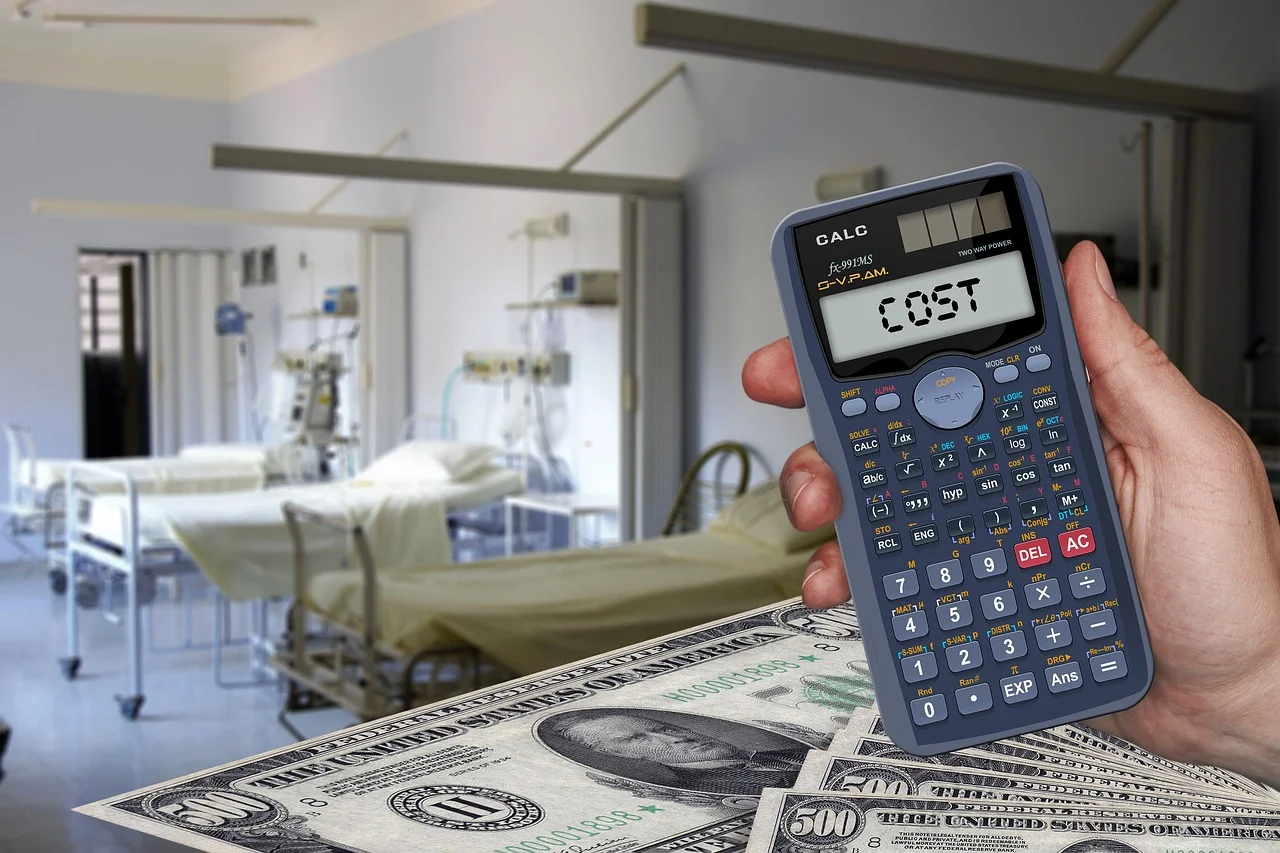
Healthcare services in Thailand are world-class, but costs can be very high for tourists. As of 2026, while not mandatory, it is strongly recommended to obtain travel health insurance with at least **$50,000 USD** coverage and a note stating "including Covid-19". Private hospitals (Bumrungrad, Bangkok Hospital) offer high comfort, while public hospitals are more economical but much busier and bureaucratic.
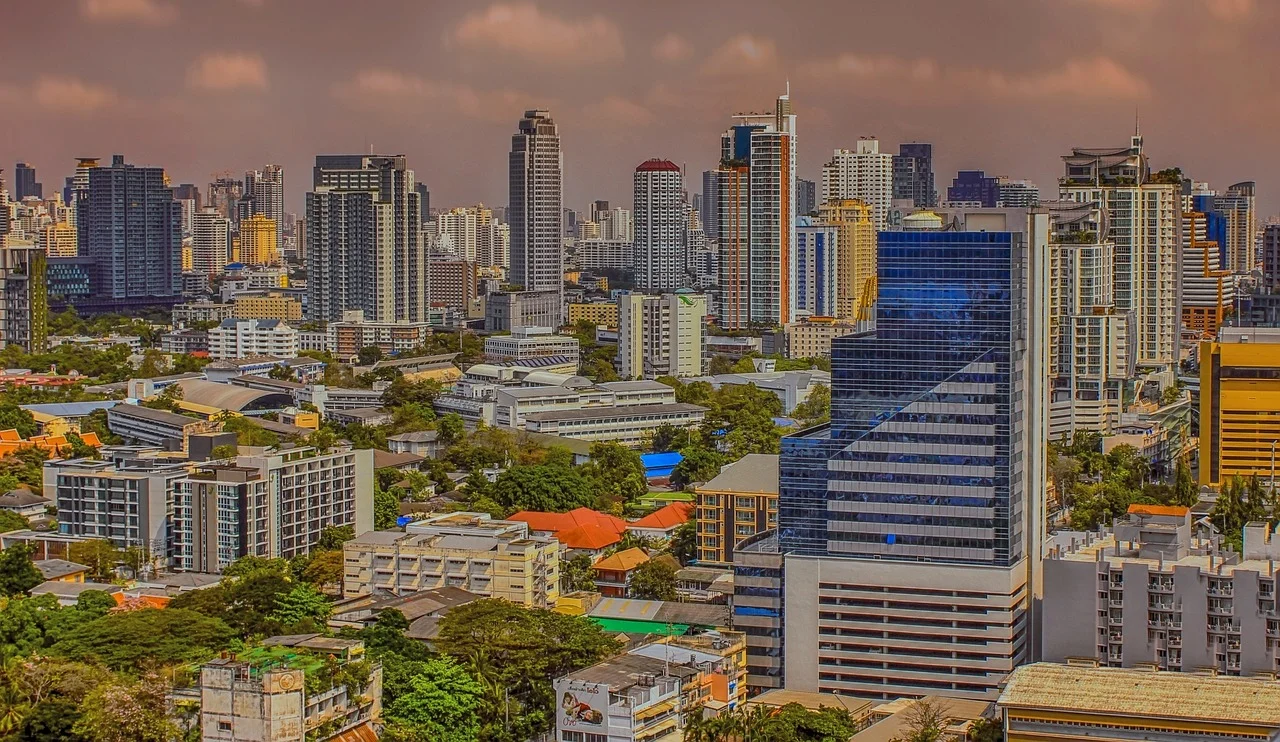
Bangkok (Krung Thep) can be one of the most enjoyable metropolises in the world when managed with the right logistics strategies. The key to escaping the city's chaotic traffic is to stay close to the **BTS Skytrain** and **MRT Metro** lines, use **Grab/Bolt** apps for transportation, and be vigilant against street scammers claiming "the temple is closed." Choosing the **Asok/Sukhumvit** area as a logistical hub ensures efficiency with the precision of an agricultural engineer.
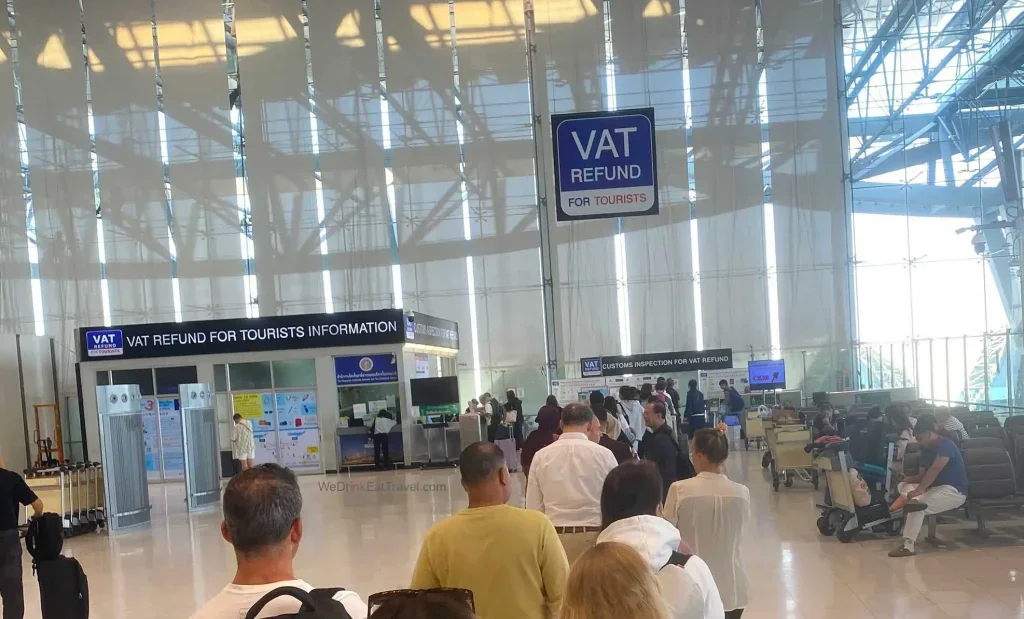
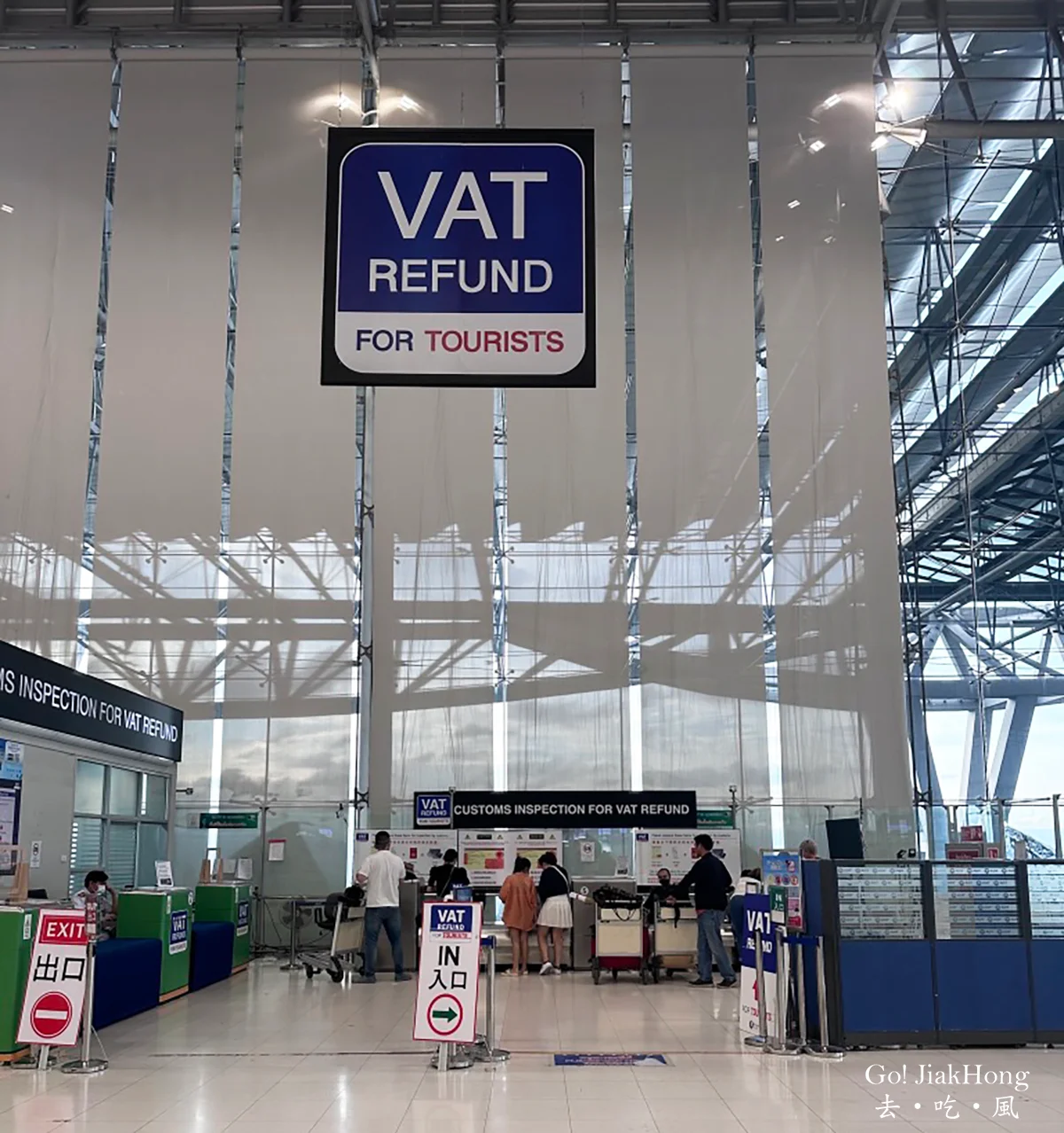
To receive a **7% VAT refund** (VAT Refund) on your purchases in Thailand, you must spend at least **2,000 Baht** in the same store on the same day and fill out the "P.P.10" form. Before leaving the airport, your total shopping amount must be at least **5,000 Baht**, and you need to physically present the products to the customs office. For items over 10,000 Baht, such as luxury watches or jewelry, the approval of the "yellow form" is crucial.
Thailand ranks among the top in the world for fixed broadband internet speed; by 2026, fiber infrastructure has become standard in every home, making it quite easy to reach speeds of **1 Gbps**. On the mobile side, 5G coverage exceeds 90% nationwide. For digital nomads, Thailand is a tech paradise offering high speed, low latency (ping), and affordable unlimited packages.
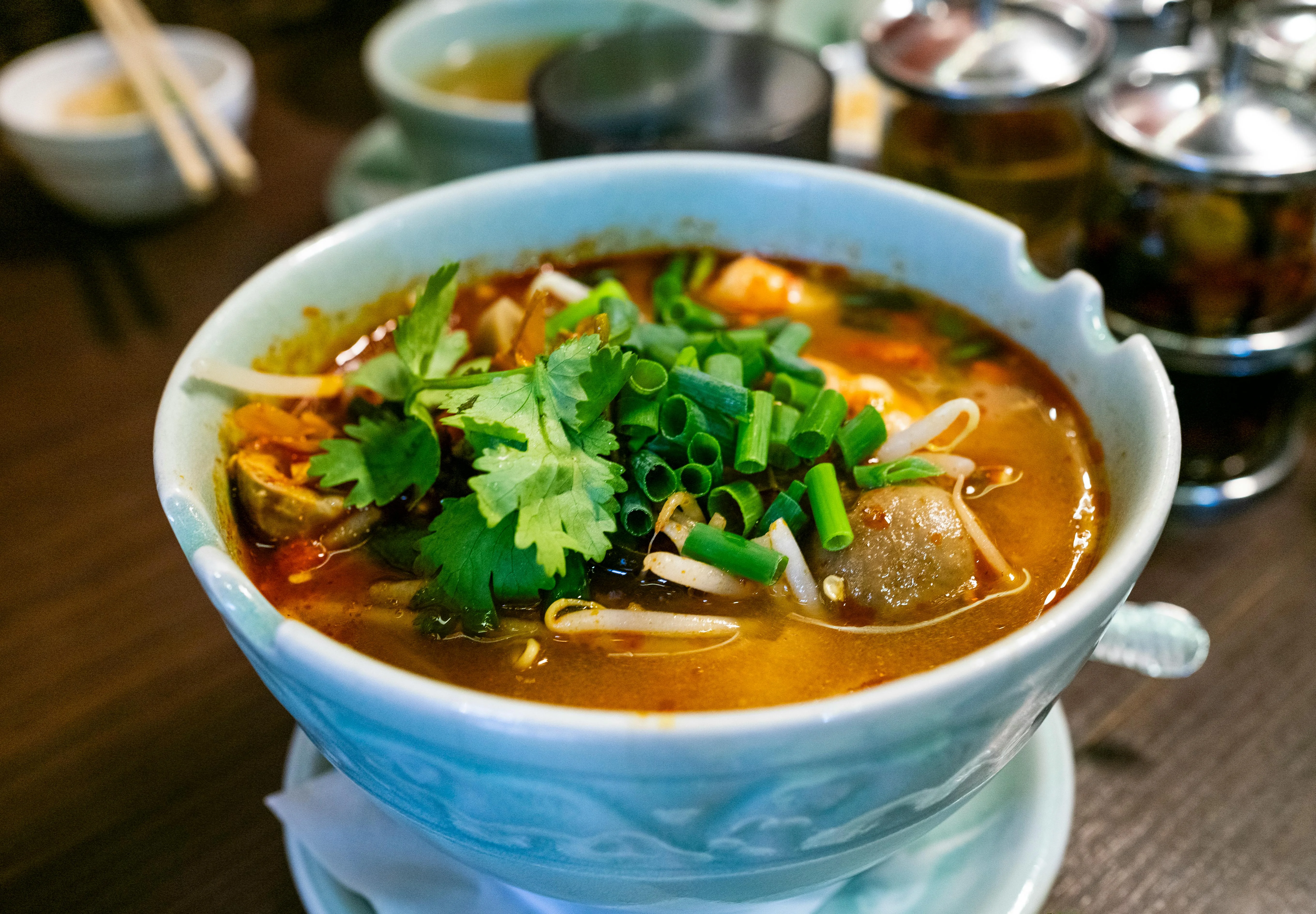
Thai cuisine is not just about Pad Thai; it is a perfect blend of sweet, sour, spicy, and salty. From street food to royal cuisine, signature dishes like Khao Soi (Northern curry noodles), Som Tum (Papaya salad), and Tom Yum Goong (Spicy shrimp soup) are a must-try. For a true Thai experience, opting for street stalls where locals queue instead of luxury restaurants is the key to flavor.
Night markets in Thailand are not just shopping venues; they are gastronomic and entertainment centers that reflect the social spirit of the country. From Jodd Fairs in Bangkok to the Sunday Walking Street in Chiang Mai, these markets offer handmade products, vintage clothing, and world-famous street food. To have a successful market experience, it's essential to head out after 6 PM, carry cash, and learn the art of gentle bargaining.
**Joiner Fee** (Visitor Fee) is an additional charge that some hotels in Thailand demand when an extra guest not registered in the room stays overnight. This fee typically ranges from **500 to 1,500 Baht** per night, and the most certain way to avoid it is to check if the hotel is **"Guest Friendly"** during the booking or to reserve the room as "2 persons" from the start.
**Destination Thailand Visa (DTV)** is a type of visa valid for 5 years, offered by Thailand for digital nomads, remote workers, and cultural activity enthusiasts. This visa allows for **180 days** of stay per entry and can be obtained by digital workers showing financial proof of 500,000 Baht, Muay Thai students, culinary course participants, and those seeking medical treatment.
In Thailand's nightlife, **"Bar Fine"** is a compensation fee paid to the establishment for a worker in a "Go-Go Bar" or "Beer Bar" to leave before their shift ends. This payment allows the staff to be free, but does not cover any additional fees they may request for companionship outside (Short Time/Long Time). Bar Fine fees typically range from **500 to 2,000 Baht** depending on the popularity of the venue and the time of night.
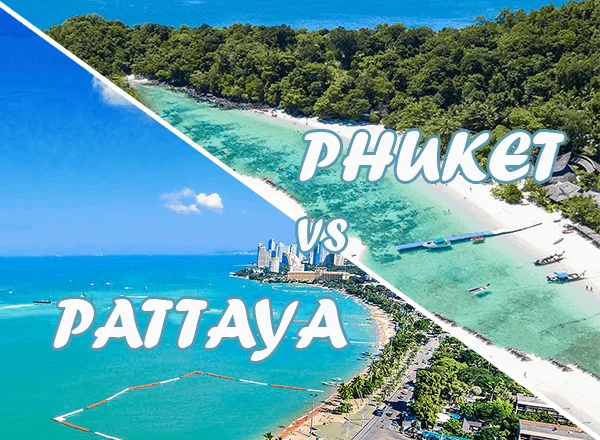
The answer to whether Pattaya or Phuket is better depends entirely on your vacation expectations: **Pattaya** stands out with its proximity to Bangkok, more affordable prices, and endless nightlife; while **Phuket** offers a true beach holiday with its world-famous white sandy beaches, luxury resorts, and tropical island atmosphere.
When planning your trip to Thailand, it is crucial to be aware of the alcohol restrictions imposed due to the country's deep religious roots and political regulations to ensure your holiday is not disrupted.
## 1. 🪷 Buddhist Holy Days: 24-Hour Complete Ban
On five major Buddhist days each year, the sale of alcohol is banned nationwide for 24 hours:
* **Makha Bucha:** A holy day determined by the lunar calendar.
* **Visakha Bucha:** The birth and enlightenment of Buddha.
* **Asahna Bucha:** The anniversary of the first sermon.
* **Khao Phansa & Wan Ok Phansa:** The beginning and end of Vassa (the period of spiritual retreat).
* **⚠️ Important:** The ban starts at midnight (00:00) on the relevant day and continues until midnight (24:00) the following night.
## 2. 🗳️ Election Days and Political Restrictions
According to Thai laws, the following rules are enforced to protect political will:
* **Timing:** Begins at 18:00 the day before the election and lasts until midnight on election day.
* **Scope:** Applies not only to locals but also to all tourists and businesses in the country.
* **Legal Basis:** Strictly monitored under the Election Act No. 2475.
## 3. ⏰ Daily Sales Hours and "Red Zone" Restrictions
Even outside of holy days, the hours during which you can purchase alcohol are limited:
* **🔓 Sales Allowed:** Between 11:00 - 14:00 and 17:00 - 24:00.
* **🔒 Sales Prohibited:** Between 14:00 - 17:00 (liquor cabinets in stores are locked).
* **📍 Prohibited Areas:** Sales are not allowed near schools, places of worship, and government institutions.
## 4. ⚖️ Severe Penalties for Violations
Under the Thailand Alcohol Control Act (Alcohol Control Act, B.E. 2551):
* **💰 Fine:** A cash penalty of up to 10,000 Baht may be imposed.
* **⚖️ Imprisonment:** The penalty for violating the sales ban can be up to 6 months in prison.
* **🚫 Business:** A process that can lead to the revocation of licenses for restaurants and bars is triggered.
## Advice from Arif GÜVENÇ
***🛡️ If your trip to Thailand coincides with full moon periods, it is vital to check the Buddhist calendar in advance. Many tourists face inconveniences due to entertainment venues being closed. Remember; although the minibar in your hotel room may technically seem exempt from this ban, hotel managements also reserve the right not to serve on these days. As a respectful visitor, avoiding alcohol consumption on holy days represents your commitment to local culture.***
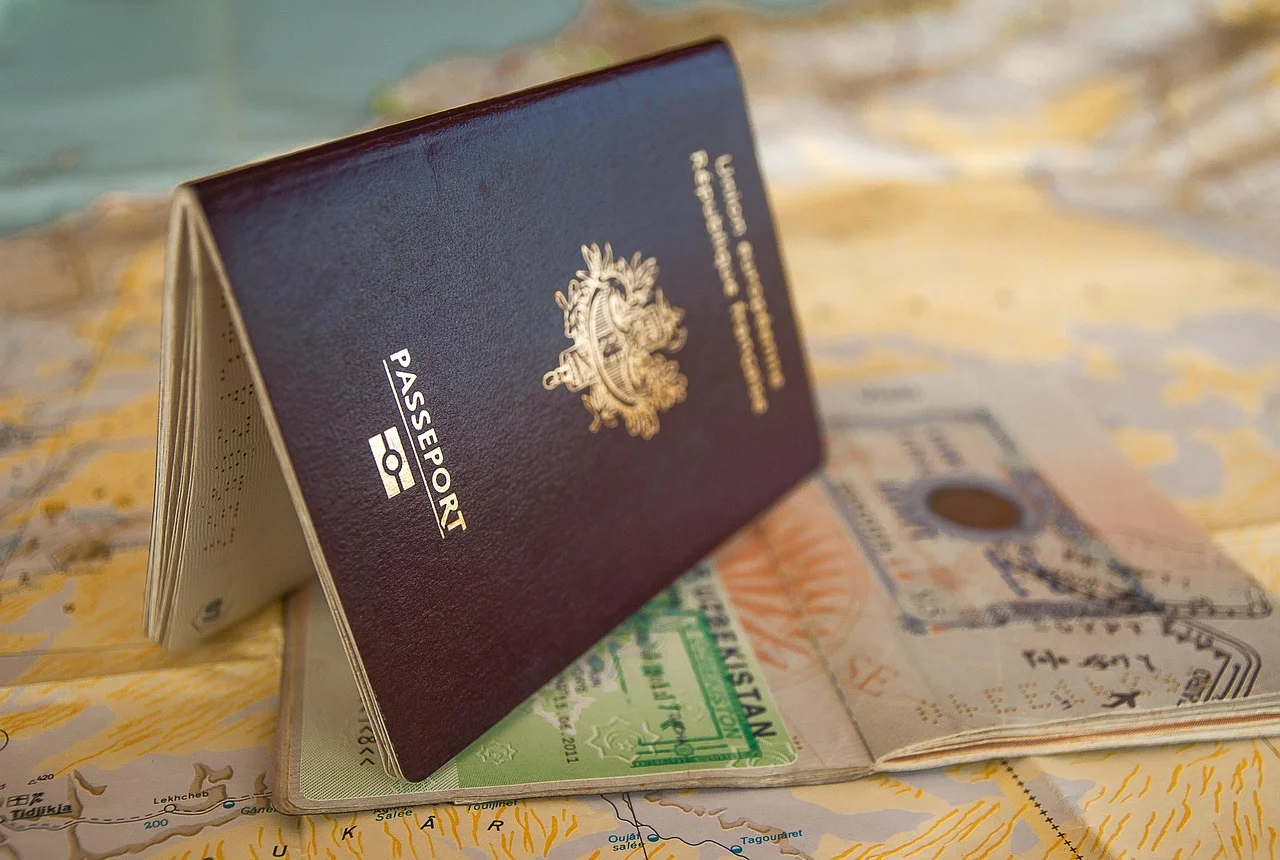
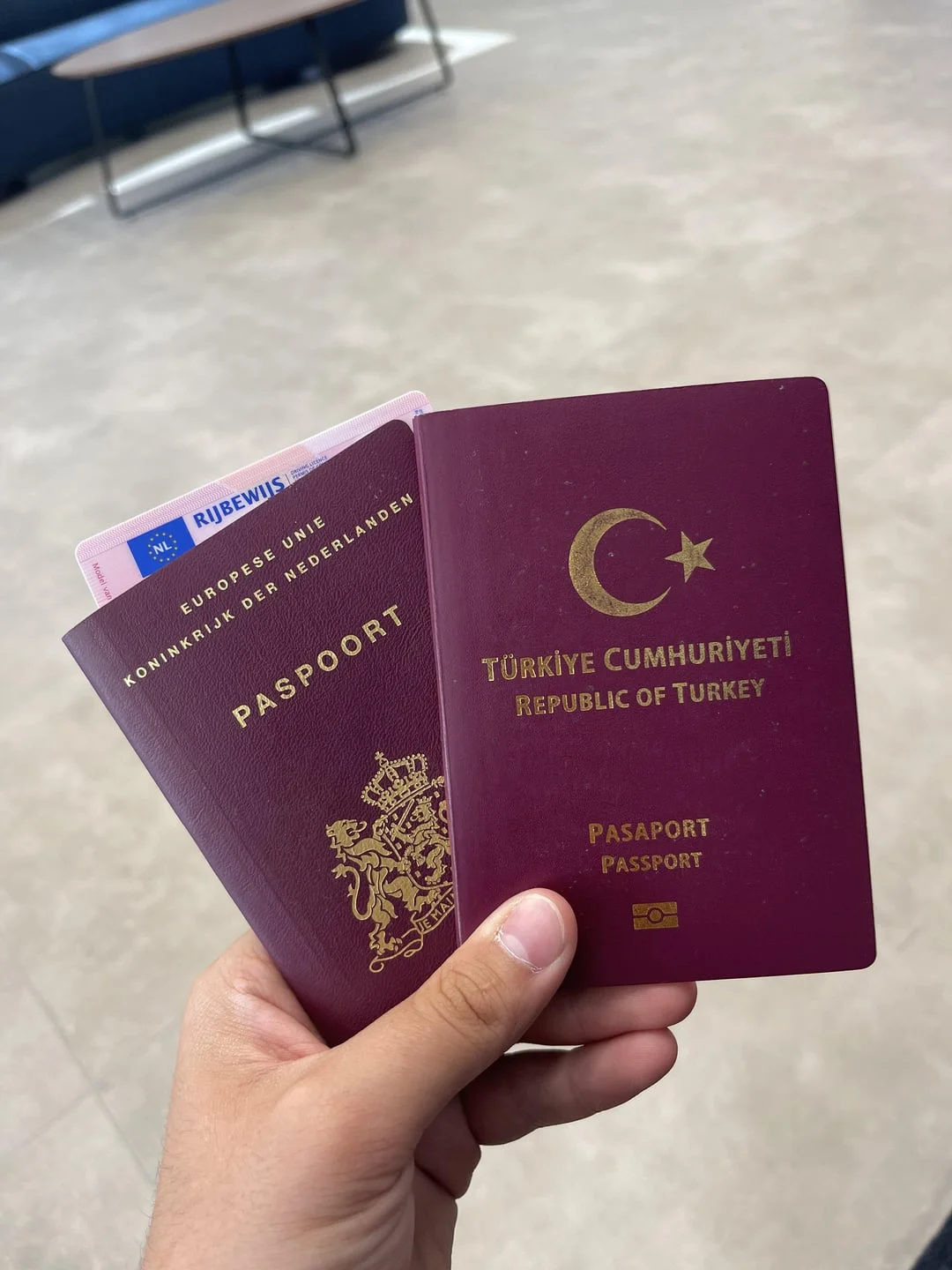
As of 2026, holders of the Republic of Turkey passport are exempt from visas for tourist entries to Thailand for up to 60 days. Ensure your passport is valid for at least 6 months, and have a return ticket and proof of accommodation with you.
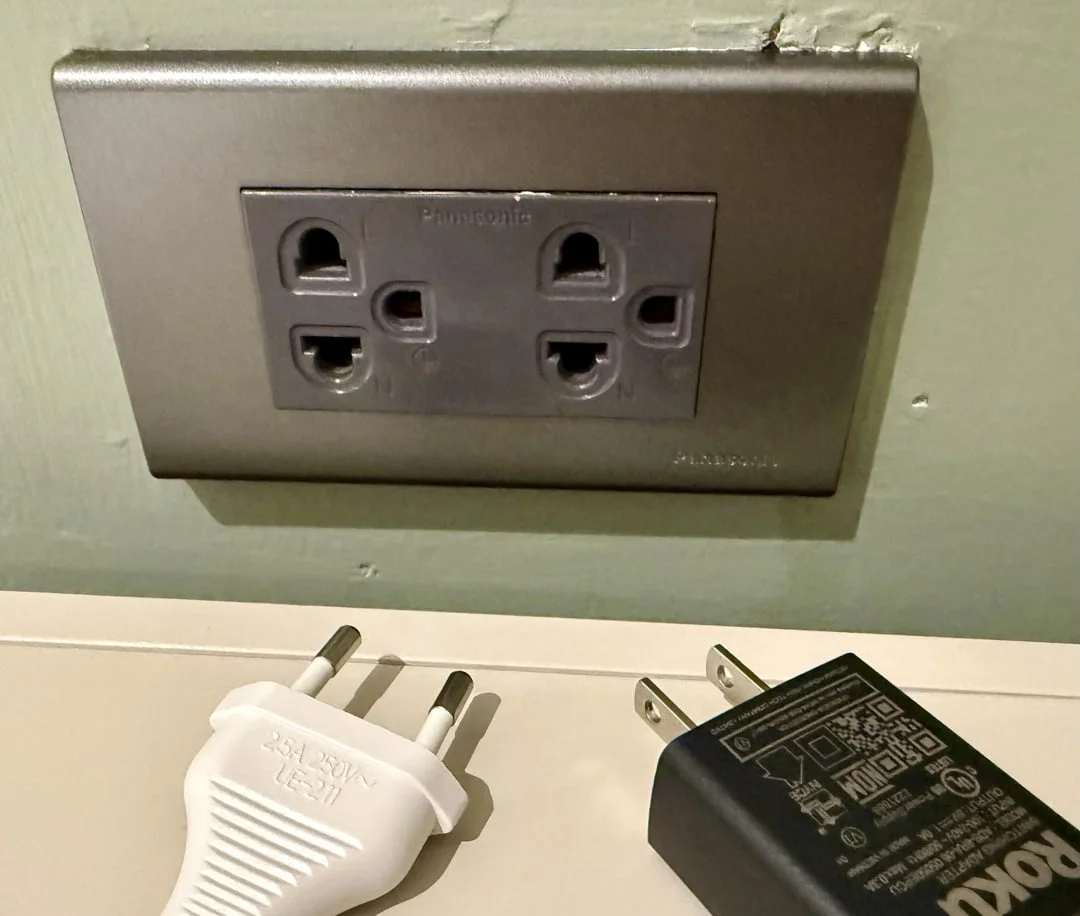
The standard voltage in Thailand is 220V (50Hz), and outlets typically accept hybrid plugs of types A, B, C, and O. Although European and American plugs fit physically into these outlets, the lack of grounding in older buildings can lead to static electricity buildup and damage to sensitive electronic devices. For digital professionals using high-performance computers (like Woxify), using a "Surge Protector" is not optional; it is a necessity.
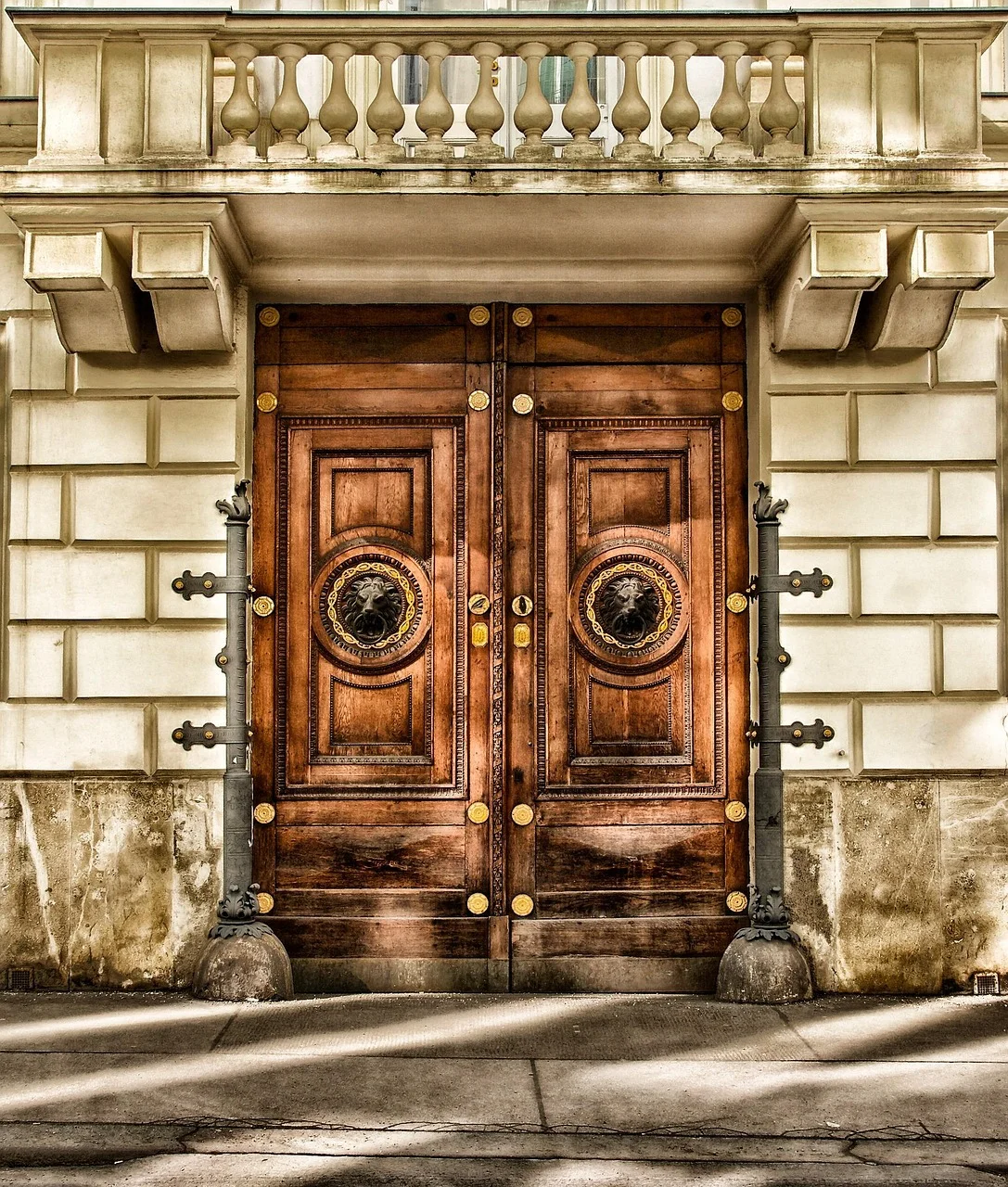
In Thai culture, thresholds are considered a sacred boundary where the protective spirit **"Phra Phum"** resides, guarding the home from evil spirits. Stepping on the threshold when entering a house or temple is seen as a great disrespect to this protective spirit and is believed to bring misfortune. Stepping over the threshold when entering a place in Thailand is the most elegant expression of deep respect for local culture.
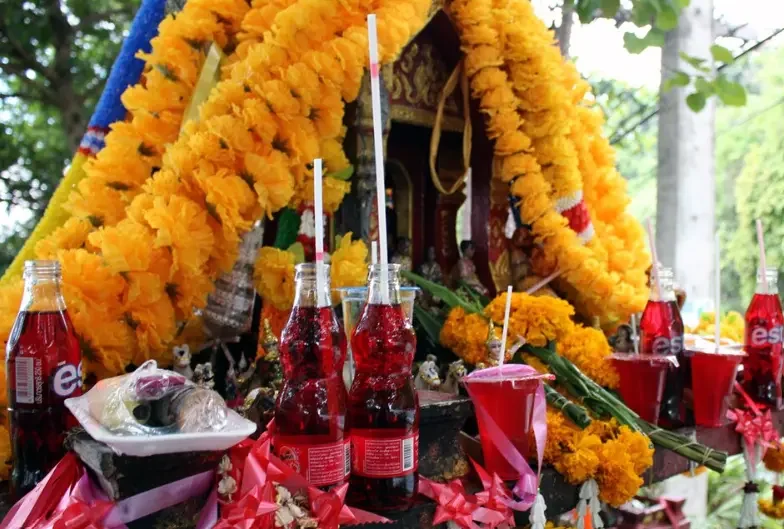
In Thailand, **Spirit Houses (San Phra Phum)** are miniature temples you can see in front of every building, built to honor the spirits believed to be the true owners of the land and to avoid disturbing them. The **Red Fanta** left in front of these houses is a modern and symbolic continuation of ancient blood sacrifice rituals; the red color represents vitality, and the sweet content symbolizes the satisfaction of the spirits.
In Thai culture, the head is considered the most sacred and highest point of the body, while the feet are seen as the dirtiest and lowest area. Touching a Thai person's head, even out of love, playing with their hair, or patting a child's head is perceived as a serious disrespect and a spiritual assault. Maintaining hierarchy and bodily sanctity in social interactions is the most fundamental ethical rule in Thailand.
In Thailand, the national anthem (Phleng Chat Thai) is played every day at **08:00** in the morning and **18:00** in the evening; during these moments, life comes to a halt, and everyone stands in respect. Stopping and waiting in public spaces, train stations, or parks when the anthem begins is the most basic ethical rule and sign of respect you can show as a foreigner in Thai society.
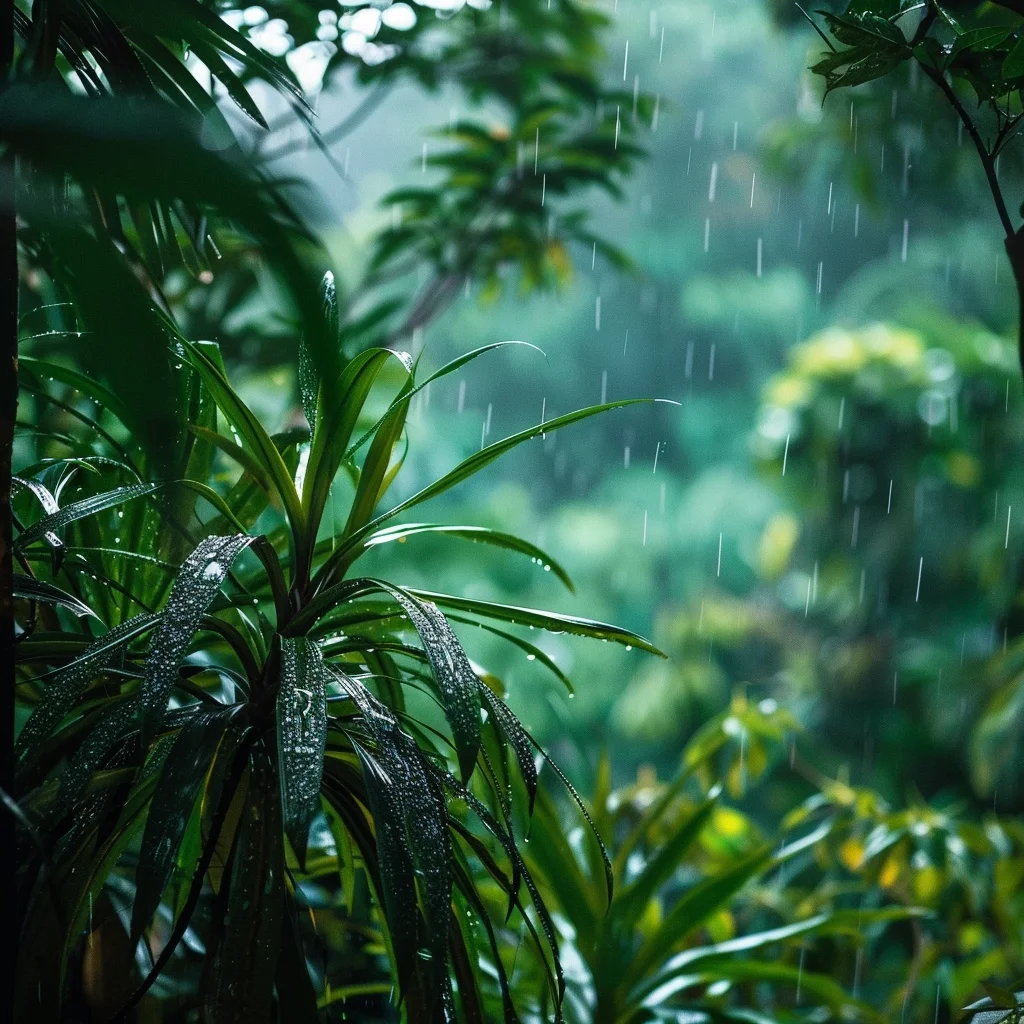
Visiting Thailand during the rainy season (May - October) is advisable; as the rains usually come in the form of heavy tropical downpours lasting 1-2 hours a day, which do not halt life. During this period, hotel prices drop by up to 50%, nature turns lush green, and tourist spots are much quieter. However, it is crucial to choose your route based on the intensity of the rainfall (e.g., Gulf Islands instead of Andaman Sea).
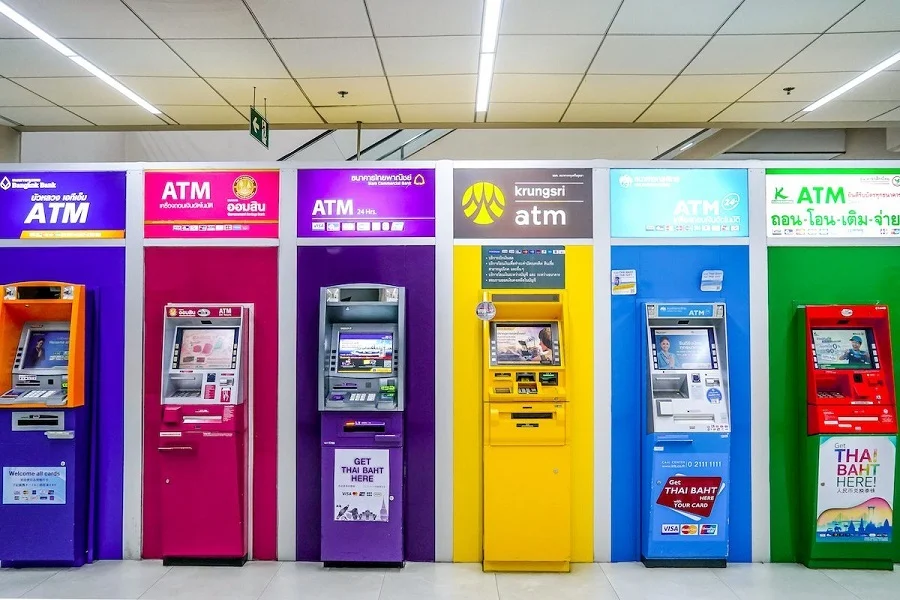
The biggest financial trap encountered when using ATMs in Thailand is the fixed bank fee of **220 Baht (approximately 6-7 USD)** charged per transaction. To avoid this cost, it is crucial to withdraw the maximum amount you can at once (usually 20,000 - 30,000 Baht) and to reject the "Dynamic Currency Conversion (DCC)" offer on the screen by selecting **"Without Conversion"**.
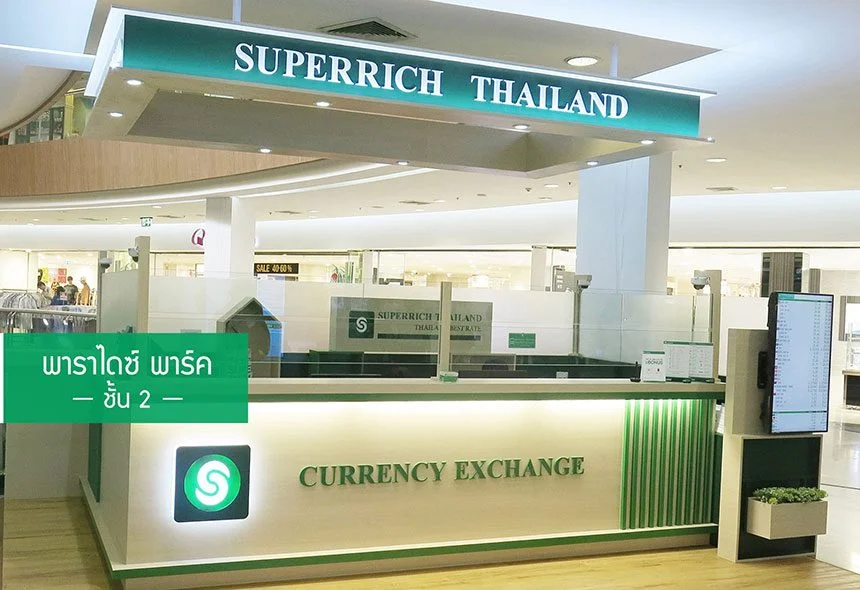
The places that offer the best exchange rates in Thailand are undoubtedly the **SuperRich** branches; these currency exchange offices with orange and green logos allow you to make transactions that are 2-3% more profitable compared to banks, offering the most competitive rates in the market. It is the smartest way to protect your travel budget to exchange just enough money at the airport to reach the city and prefer the SuperRich locations in the city center for the main amount.
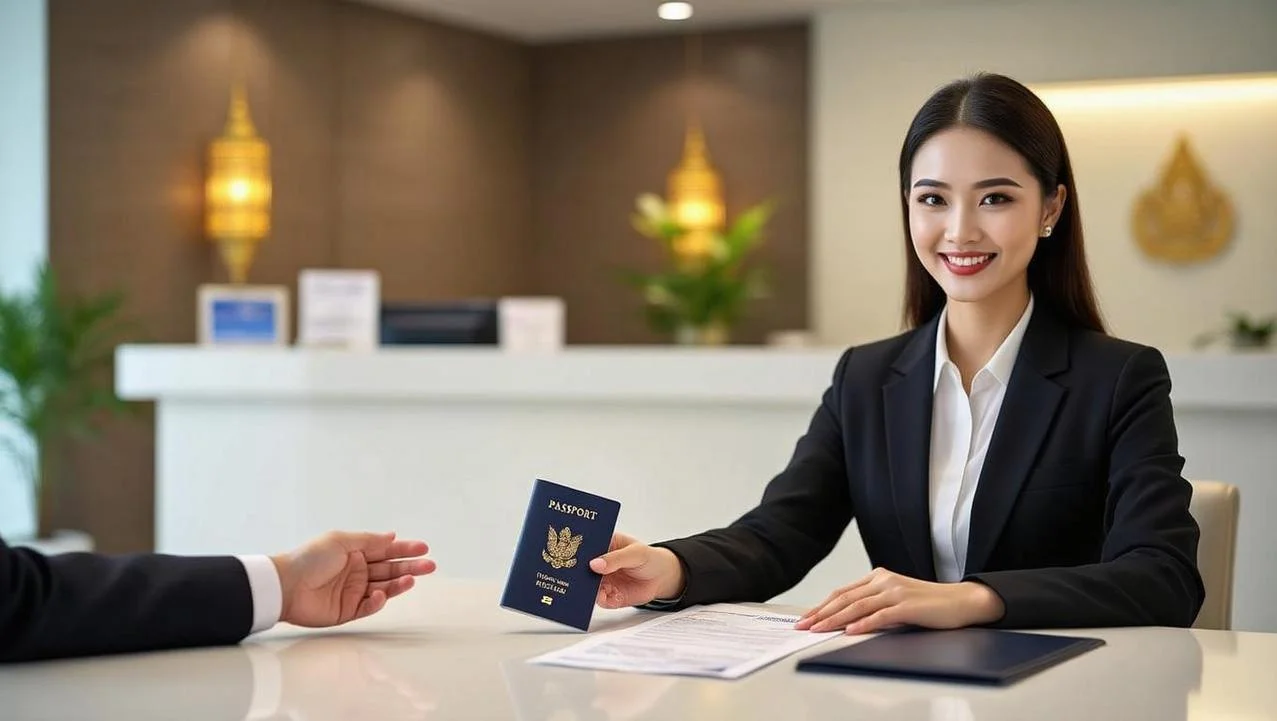
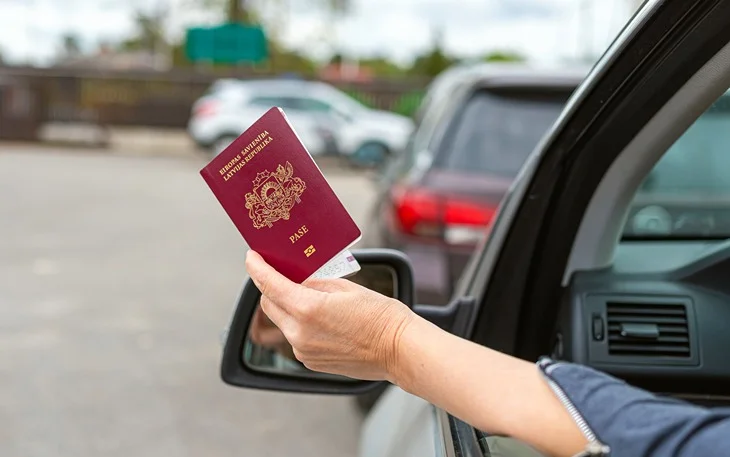
To visit Thailand, you must have a **chip passport valid for at least 6 months**; entry with an ID card or driver's license is not possible. Visa-exempt nationals can enter without a visa for up to 30 days with a Regular (Bordo) passport, provided there are at least two blank pages in the passport and the document is not physically damaged.
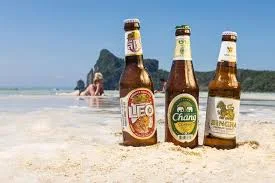
The Thai beer market is dominated by three main giants: **Singha, Chang, and Leo**. These light, highly carbonated lagers are ideal for balancing spicy Thai dishes, adapting well to the scorching heat of the tropical climate. For a local experience, you can enjoy your beer Thai-style with "Namแข็ง" (ice) or explore the locally popular craft beers that have gained popularity in recent years.
You can apply online from local operators' websites such as **AIS, TrueMove H, or DTAC** to get an e-SIM in Thailand, or you can obtain your QR code from kiosks at airports in just 5 minutes. This method eliminates the hassle of changing physical cards, providing instant access to the internet at 5G speeds and requires digital activation with passport presentation.
If you are someone who doesn't eat spicy food in Thailand, you must say **"Mai Pet"** (No spice) or **"Pet Nid Noy"** (A little spicy) when ordering. However, since "a little spicy" can sometimes feel quite hot by Thai standards, adding a "No Chili" warning as a guaranteed method and initially opting for inherently non-spicy dishes like Pad Thai is the safest way.
# Durian Fruit: Why Is It Not Allowed in Hotels and Where Does This Smell Come From?
During your trip to Thailand, you will see a massive, spiky, and heavy fruit at market stalls. This is the famous Durian fruit, adored by the Thai people and often avoided by tourists. This most controversial fruit of Southeast Asia is described as a food that "smells like hell but tastes like heaven."
## 1. 🤢 The Smell Issue: Why Is It So Strong?
The smell of Durian is so potent that just a few minutes in an enclosed space can make the entire room smell.
* **Chemical Composition:** Scientific studies show that Durian contains dense compounds with sulfur. These compounds spread rapidly in the air and create a smell reminiscent of rotten vegetables, garlic, or gas leaks.
* **Persistence:** The biggest problem with the smell is that it is not volatile. Once it seeps into carpets, curtains, and especially the central air conditioning ducts of hotels, it is impossible to get rid of the odor without professional cleaning.
## 2. 🚫 Bans and Penalties
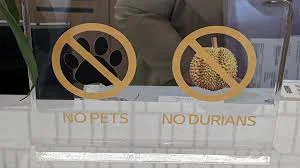
If you see a red circle with a cross over an image of Durian in elevators, taxis, metro stations (BTS/MRT), and hotel lobbies in Thailand, don’t be surprised:
* **Hotel Rules:** Almost every hotel prohibits bringing Durian into the room. If you violate this rule, the hotel may charge you a "special cleaning fee" ranging from 5,000 to 10,000 Baht.
* **Public Transport:** It is forbidden to enter the Bangkok metro with Durian, and security personnel will escort you out as soon as they detect the smell.
## 3. 👑 The King of Fruits: What Does It Taste Like?
If it smells so bad, why is it still one of the most expensive and sought-after fruits in the world?
* **Texture and Flavor:** The creamy, buttery flesh of Durian has a multi-layered taste reminiscent of almonds, vanilla, caramel, and slight cheese notes.
* **Nutritional Value:** It is a complete energy source; rich in potassium, fiber, and vitamin C. It is recommended to consume it in moderation as it is considered a "heat-inducing" food in Thailand.
## 4. 🍽️ How to Eat Durian?
If you want to experience this, you must follow the rules:
* **Outdoors:** Durian should only be consumed outdoors or at special tables in markets.
* **Season:** The most delicious Durians are harvested between April and July. The "Monthong" variety is the softest and sweetest entry-level option for tourists.
## Arif GÜVENÇ's Advice
***🛡️ Durian is a part of Thai culture, and it is important to respect it, but do not show this respect in your hotel room. As a tip from Arif GÜVENÇ; to eliminate the intense sulfur smell left in your mouth after eating Durian, you can drink coconut water or fill the fruit's shell with water and wash your hands with it (according to local belief, this neutralizes the smell). A "warning from Arif GÜVENÇ"; be careful not to consume alcohol while eating Durian. Traditional medicine and local experiences suggest that consuming Durian and alcohol together can raise body temperature to dangerous levels and cause heart palpitations. The best place to try this fruit is hygienic markets like Or Tor Kor, where it is sold freshly cut.***
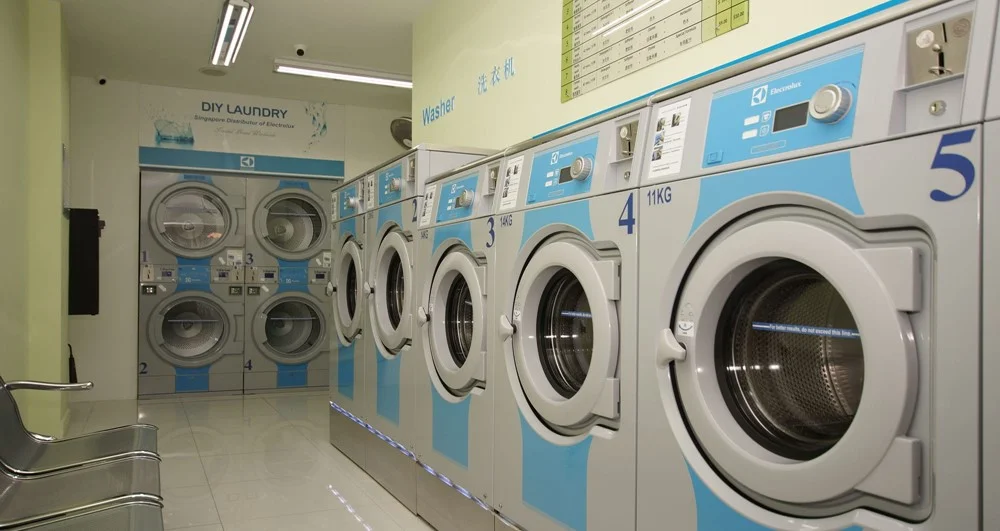
Doing laundry in Thailand is quite easy and economical; you can leave your clothes at shops with **"Laundry Service"** signs by weight (usually 40-60 Baht) or use 24-hour self-service machines (like Ottery). In professional services, your clothes are washed, dried, and ironed, and delivered the next day.
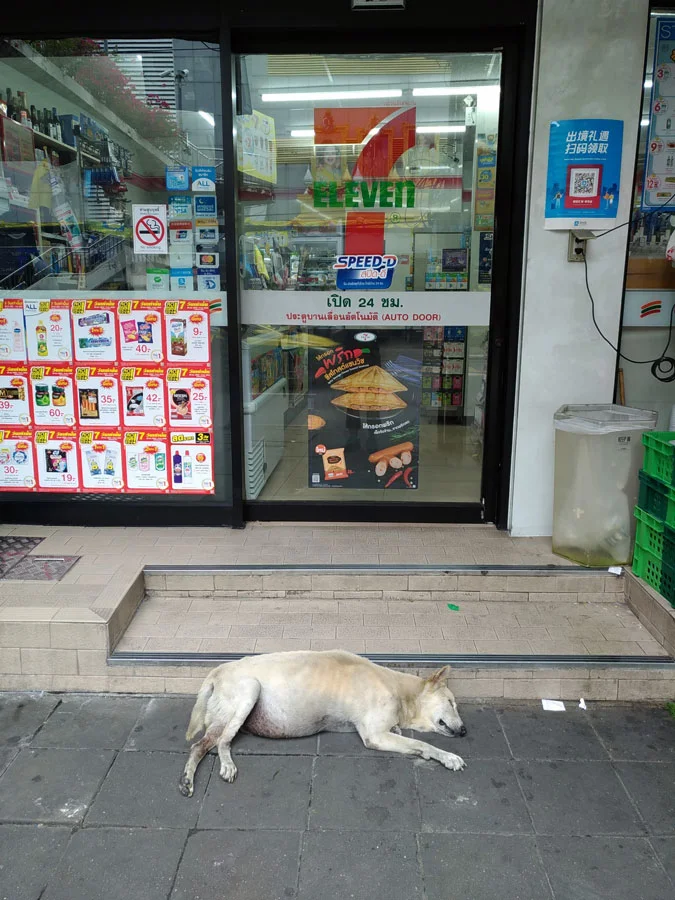
In Thailand, street dogs known as "Soi Dogs" are generally docile and accustomed to humans; however, their protective instincts may increase at night due to pack mentality. The main risk for tourists is not aggression, but rather the rare cases of rabies that can occur. Avoid direct contact with dogs, do not attempt to feed them, and be cautious when walking in deserted streets at night as a basic safety rule.
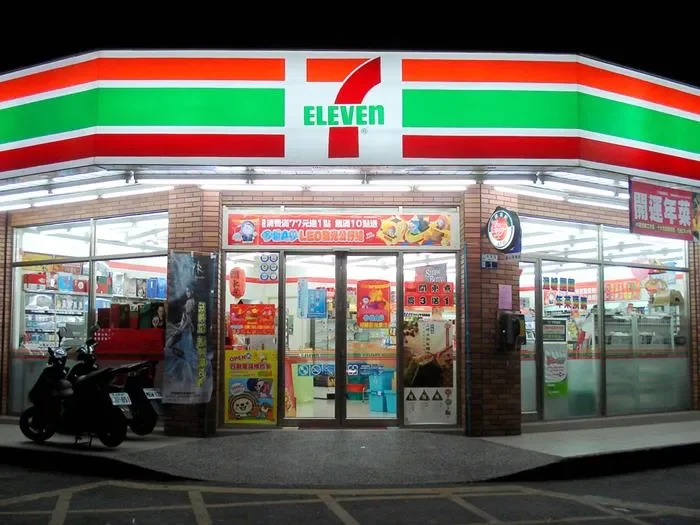
With **over 14,000** branches in Thailand, 7-Eleven is not just a convenience store; it is a community hub offering bill payments, package deliveries, fresh food, and a 24/7 air-conditioned refuge. The reason you see two branches just 50 meters apart in densely populated areas is due to logistical excellence and the Thai people's culture of instant consumption, which is based on not stocking up at home.
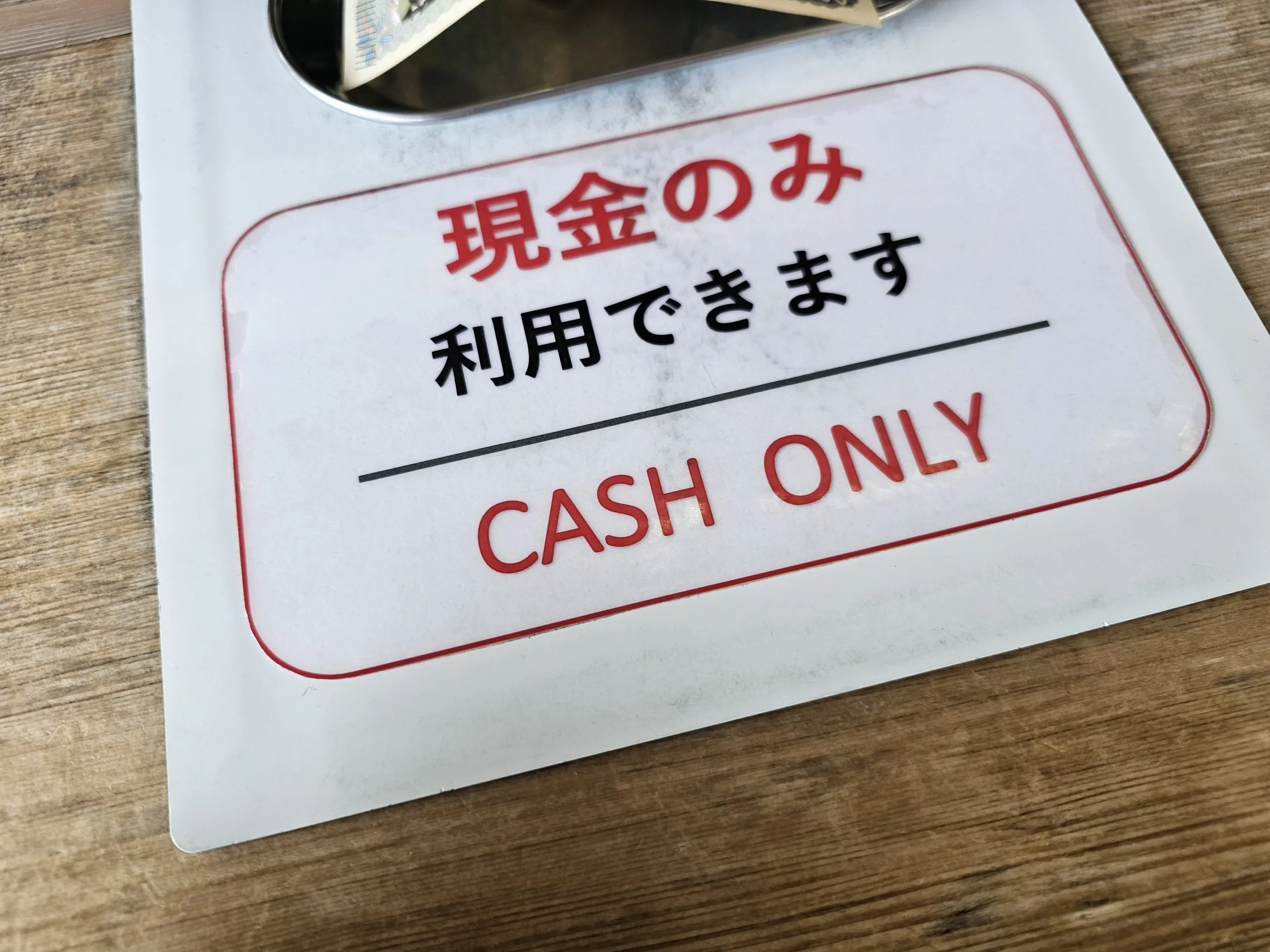
In Thailand, credit card usage is quite common in luxury hotels, large shopping malls, and chain stores (like 7-Eleven with certain limits); however, cash (Baht) or local QR payment systems (PromptPay) dominate in street food, local markets, and taxis. Since many small businesses may charge a **3% additional commission** for card payments, it is financially wise to always carry cash.
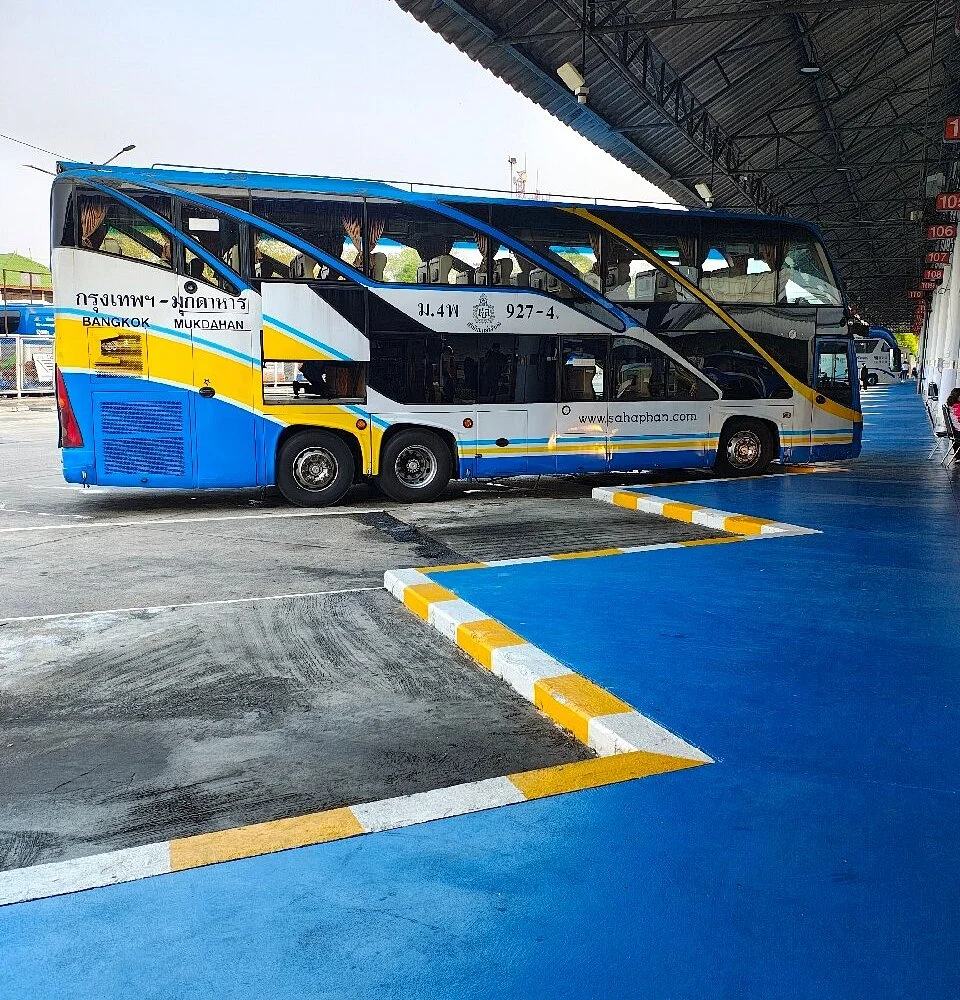
In Thailand, intercity bus tickets can be purchased most reliably from online platforms like **12Go.asia** or **BusOnlineTicket**, directly from ticket counters at bus terminals (Busterminal), or from the official website of the state-owned company "The Transport Co." It is recommended to book tickets at least 2-3 days in advance, especially for popular routes (Bangkok-Chiang Mai or Phuket) to secure a seat on comfortable VIP 24 seat buses.
In Thailand, ladyboy bars known as **"Katoey"** host some of the world's most colorful and entertaining cabaret shows; however, the most important rule to keep in mind in these venues is **respect**. Being polite in communication, asking for permission before taking photos, and knowing that the "Lady Drink" (complimentary drink) system can quickly deplete your budget are essential elements for having a smooth night.
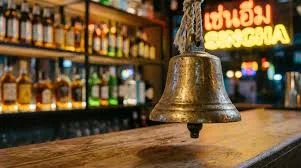
Ringing the bell in the bars on Pattaya Walking Street is a traditional gesture of generosity that means, **"A round of drinks for everyone in the bar (or all the staff) from me!"** The person ringing the bell is considered to have agreed to cover everyone's tab, regardless of how many people are in the bar at that moment. While this act can instantly turn the atmosphere into a celebration, it can also lead to an unexpected hole in your wallet worth thousands of Baht on a busy night.
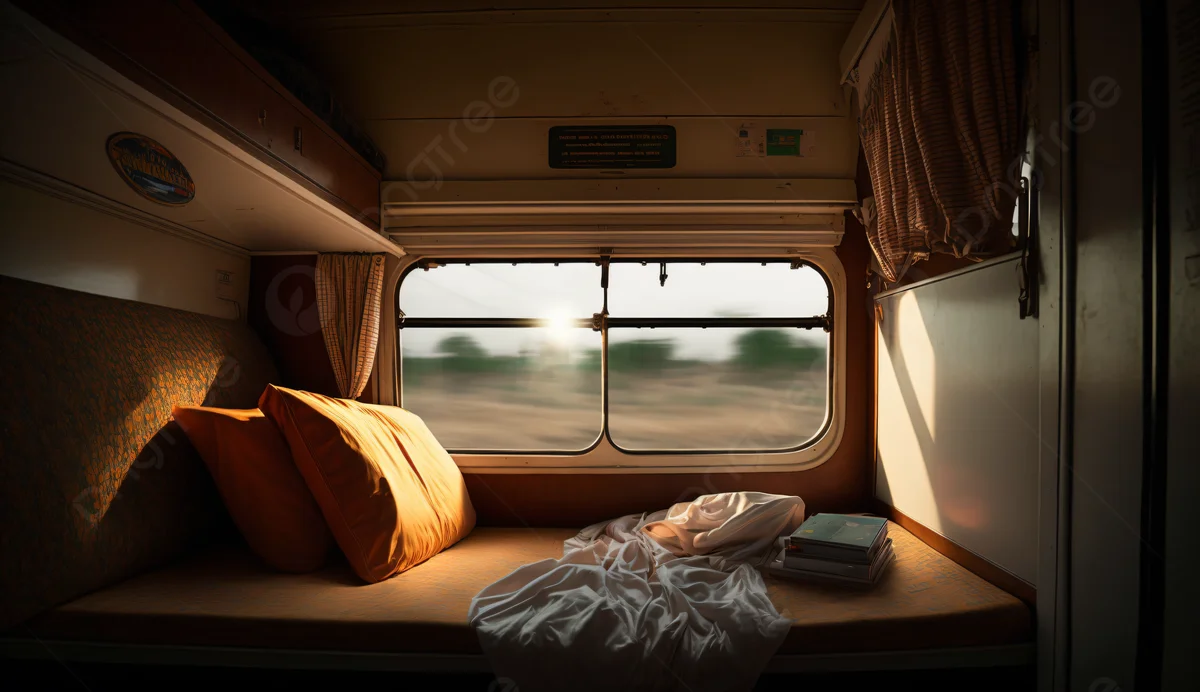
When traveling by train in Thailand, the ideal option for balancing comfort and experience is the **2nd Class AC Sleeper** carriages. In this class, the seats are professionally converted into beds during night journeys, allowing you to save your budget while enjoying a safe sleep. For those seeking luxury, there are 1st Class private cabins, and for those looking for a true local adventure on a very low budget, 3rd Class wooden seats are available.
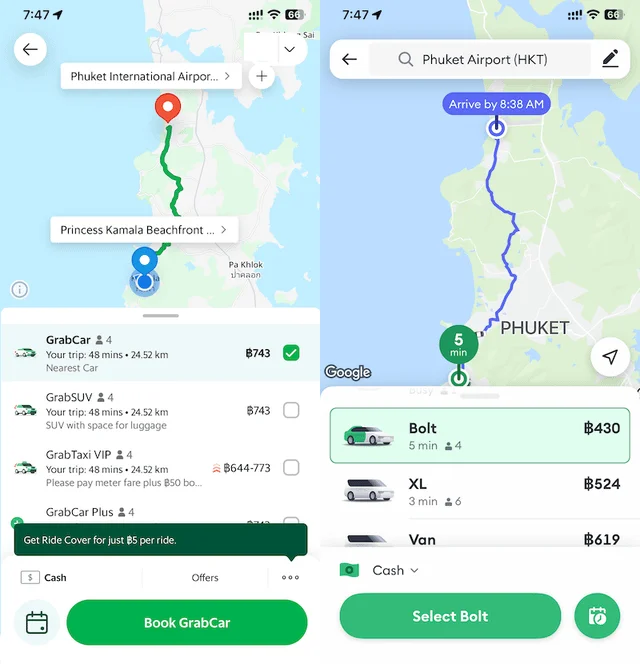
In Thailand's transportation, **Grab** is considered the "most reliable" option due to its wide range of services, credit card integration, and high number of vehicles; however, **Bolt** offers budget-friendly alternatives, generally providing prices 20-30% cheaper than Grab. For speed and comfort in city centers, Grab is preferred, while Bolt is better for saving on longer distances or during off-traffic hours.
The most fundamental way to prevent stomach upset (Thai Belly) in Thailand is to avoid tap water, ensure that ice is "hollow" (factory-made), and prefer street food stalls with high circulation and visible cooking.
# Is Renting a House in Thailand Easy? Process, Costs, and Tips
Thailand is considered a paradise for accommodation, especially for digital nomads and retirees. Unlike Western countries, you won't face bureaucratic hurdles such as pay slips, credit scores, or local guarantors when renting a house in Thailand. Here are the "capillary" details of the rental process in Thailand:
## 1. 🏢 Types of Housing: Condo vs. Detached House
Before renting, you should decide which lifestyle suits you:
- **Condominium (Condo):** This is the most preferred option by foreigners. Security, swimming pools, gyms, and shared workspaces are standard. It offers a wide range from studio apartments to luxury duplexes.
- **Apartment:** These are usually buildings owned by a single owner. Electricity and water unit prices may be higher compared to "Condos," so be sure to ask about the bill details.
- **Detached House/Villa:** As you move away from the city center, options for houses with gardens and pools increase. These are particularly suitable for families, but security and garden maintenance are your responsibility.
## 2. 📑 Rental Process and Required Documents
Renting a house in Thailand is much more practical than you think:
- **Documents:** Only a valid [**passport**](/en/tayland/vize/tayland-icin-pasaport-gerekli-mi) is sufficient. Your visa type (Tourist, [DTV](/en/tayland/vize/dtv-vizesi-nedir-kimler-alabilir-basvuru-rehberi), Retirement, etc.) does not hinder your ability to rent.
- **Contract Duration:** Standard contracts are for 1 year. Prices may increase by 10-20% for 6-month contracts. For short-term rentals of 1-3 months, AirBnB or serviced apartments are more reasonable.
- **Agent Fee:** In Thailand, the real estate agent's (Agent) commission is paid by the **landlord, not the tenant.** Therefore, working with an agent is completely free and advantageous for you.
## 3. 💰 Costs and Payment Terms
In the Thai market, where there is always room for negotiation, the cost structure is as follows:
- **Deposit:** Typically, a deposit equal to 2 months' rent is required.
- **Advance Payment:** The first month's rent is paid in advance upon moving in. So, you will receive the keys with a total of 3 months' rent.
- **Bills:** Electricity and water bills should be paid at government rates (PEA/MEA). Some apartments may add a profit margin on management; confirm whether it is at the "Government rate" before signing the contract.
## 4. 📝 Critical Points to Consider
- **TM30 Form:** According to Thai laws, your landlord is required to notify the immigration office that you are staying at that address (TM30). This document is required for visa extension processes; ensure that your landlord will make this registration.
- **Inventory List:** Take photos of the condition of all items, furniture, and air conditioning when entering the house. These photos will serve as proof to get your deposit back in full upon exit.
## Arif GÜVENÇ's Advice
**_🛡️ The biggest mistake when renting a house in Thailand is sending a deposit based solely on photos found on the internet. As a recommendation from Arif GÜVENÇ; always set a "trial period." First, stay in a hotel for a week and inspect the area you like both day and night (you wouldn’t want to realize you are next to a noisy bar at night). A "capillary" warning; air conditioning maintenance should be done every 6 months in Thailand, and this is usually the tenant's responsibility. Add a clause to your contract stating that the air conditioning will be delivered clean and fully charged. To avoid issues when getting your deposit back, initial every page of your contract and make your payments via bank transfer (registered)._**
Opening a local bank account in Thailand is the most effective way to avoid high ATM fees, especially for long-term stayers and digital nomads. Banks like Bangkok Bank or Kasikorn Bank typically allow account openings with a valid visa (DTV, LTR, or Work Permit), a residence certificate, and a local phone number. Although it has become more difficult to open an account with a tourist visa, the process is still manageable with the right branch and necessary insurance policies.
**PromptPay** is Thailand's national instant payment system that allows users to send and receive money in seconds by linking their bank accounts to a phone number or ID number. As of 2026, this system has nearly eliminated cash usage in Thailand, and it is widely accepted everywhere, from street vendors to luxury stores, especially with its **QR code payment** feature. While it generally requires a local bank account, it is an essential part of financial life for long-term foreign residents.
In Thailand, having just your home country's license is not enough to ride a motorcycle; you must have an **International Driving Permit (IDP)** with an **"A" class (motorcycle)** endorsement. Riding a motorcycle with a class B car license is legally invalid and can leave you uninsured in the event of an accident. To avoid fines of 500-1000 Baht during police checks and, most importantly, to ensure your safety, you must comply with legal requirements.
When renting a vehicle or motorcycle in Thailand, **you should never leave your original passport as a deposit**; this is legally risky and could be used against you in case of a dispute. Reliable businesses only take a photocopy of your passport and require a cash deposit (usually between 3,000 - 5,000 Baht).
In tourist areas of Thailand (Bangkok, Phuket, Pattaya), English is sufficient for basic needs; however, the local population's level of English is often in a simplified form known as "Tinglish." Knowing basic Thai words provides a significant advantage for establishing deeper cultural connections, speeding up bureaucratic processes, and getting better prices in local markets.
Known as the "Rose of the North" in Thailand, the city of Chiang Mai offers a slower pace, rich cultural depth, and serves as a hub for digital nomads, unlike Bangkok. To ensure logistical efficiency in the city, it is advisable to stay in the historic **Old City** or the modern **Nimman** area, navigate the **blue/red Songthaew** (shared taxi) system for transportation, and plan temple visits for the coolness of the early morning hours. For an agricultural engineer, the region's fertile lands and coffee plantations make the city not just a tourist stop but an agricultural laboratory.
Tayland’ın başkenti Bangkok, ilk bakışta kaotik görünse de BTS/MRT ve doğru konaklama ile yönetilebilir bir metropoldür. Bu rehberde lojistik, konaklama bölgeleri, ulaşım, tapınaklar ve saha uyarıları yer alır.