Thailand Street Food Guide: What to Eat and How to Stay Safe?
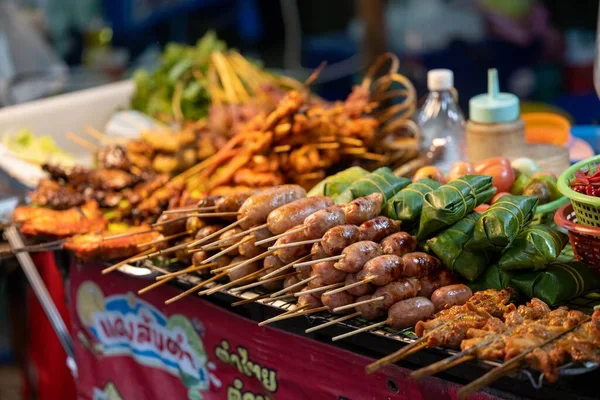
Thai street food ranks at the pinnacle of global culinary logistics. Among the most iconic dishes are rice noodle-based Pad Thai, spicy green papaya salad Som Tum, and the legendary dessert Mango Sticky Rice. For tourists to enjoy a hygienic tasting experience, it is rational to prefer stalls where food is freshly cooked in front of them, frequented by locals, and where attention is paid to the use of clean water. As of 2026, most street stalls accept payments via QR code (PromptPay).
Street Gastronomy: A Food and Hygiene Analysis from an Engineer's Perspective
When traveling in Thailand, the culinary culture is more than a discovery; it is a process of refueling the body. As an agricultural engineer, I see Thai street food as "quick production wonders" because I understand the journey of the product from the field to the stall. For a first-time tourist, this cuisine can be both an exotic adventure and, if not managed properly, an operational risk (sensitive stomach).
3 Essential "Harvests" You Must Try
To understand the algorithm of Thai cuisine, you should start with this trio:
- Pad Thai: A marvel of engineering balancing sweet, sour, and salty. Served with peanuts and lime.
- Tom Yum Goong: A spicy and sour shrimp soup. It is a logistical depot that supports the immune system.
- Mango Sticky Rice: Sticky rice cooked with coconut milk and fresh mango. It satisfies your sugar cravings in the most natural way.
How to Manage Hygiene Logistics on the Street?
Instead of shying away from street food, you should apply an analytical selection method:
- Circulation Analysis: Choose busy stalls to ensure the ingredients are fresh.
- Thermal Processing: Cooking the food at high heat (in a wok) minimizes bacterial risks.
- Ice and Water: Ice in drinks should be "holey" (machine-made), indicating it comes from a filtered water system, not tap water.
Spice and Heat Tolerance
In Thai cuisine, "spicy" is not a preference but a standard. If your palate is not accustomed to high heat, be sure to say "Mai Phet" (Not spicy) when ordering. This is a defensive strategy that prevents a potential health issue in your digestive system.
Shopping and Payment Logistics
While cash is commonly used among street vendors, digital wallets are everywhere in modern Thailand. Even at a small street stall, paying with a PromptPay QR code allows you to avoid touching money, which is an indirect cleanliness measure.
Arif GÜVENÇ's Recommendation
🛡️ Thai cuisine is one of the world's most bountiful harvests. Based on my experiences, I recommend that you not be afraid to eat street food; rather, immerse yourself in this culture. A warning from Arif GÜVENÇ; especially when consuming seafood, ensure they are fresh (preferably from live stalls) and keep a probiotic on hand just in case. From an engineer's perspective, good food is the engine power of your vacation. Remember, where the locals are queuing, there lies the safest and most delicious harvest.
Author: Arif GÜVENÇ
With 27 years of discipline as an Agricultural Engineer, Arif GÜVENÇ analyzes the world through the eyes of a strategist, viewing travel as a "process of solving life" rather than just a discovery. Transforming the complex fabric of Thailand into a guide with analytical intelligence and paternal care, Güvenç shares his experiences as a legacy of knowledge.
👉 Who is Arif GÜVENÇ? Read the Full Story
Bölge:Tayland