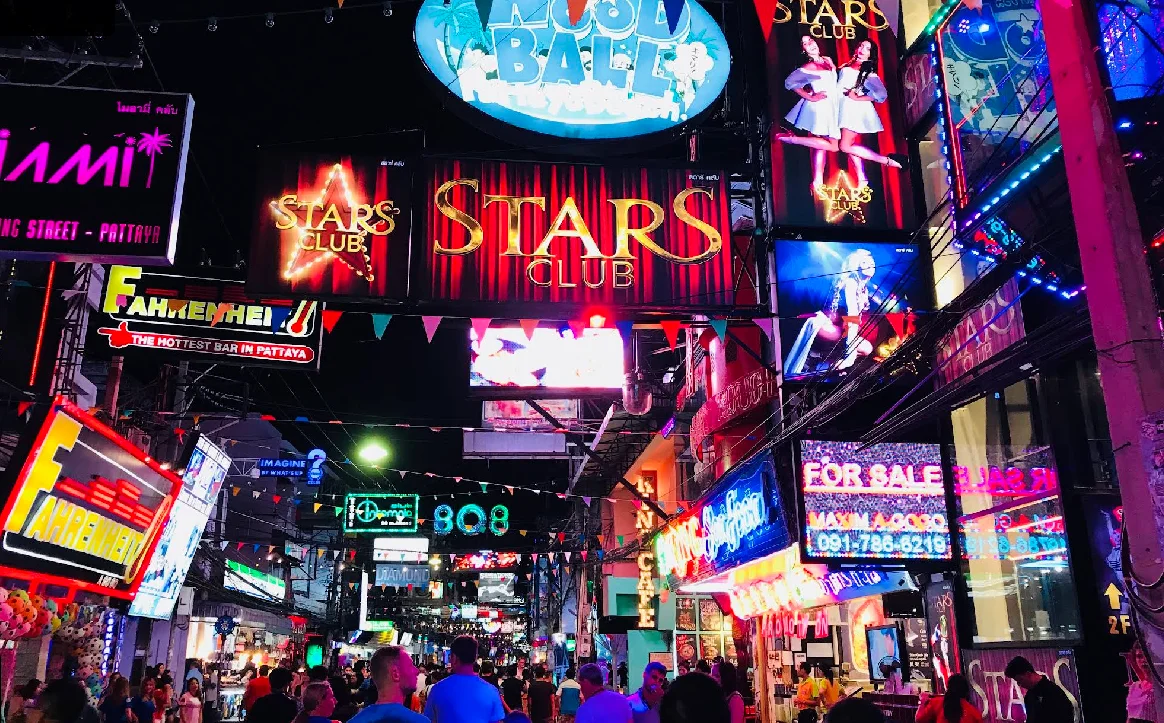
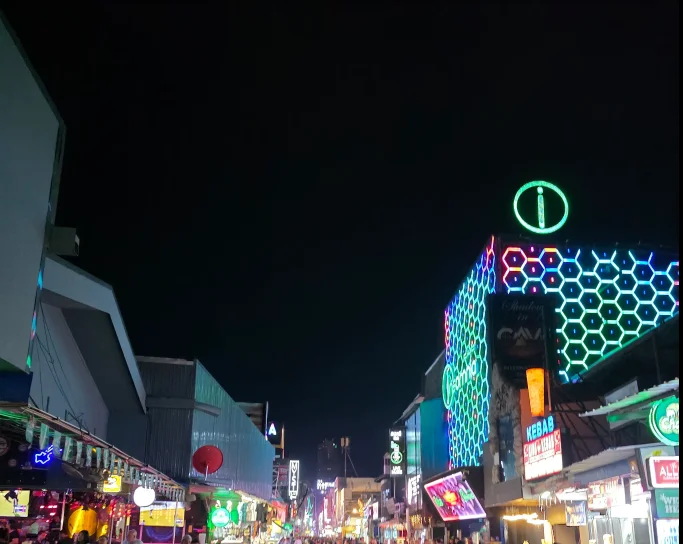
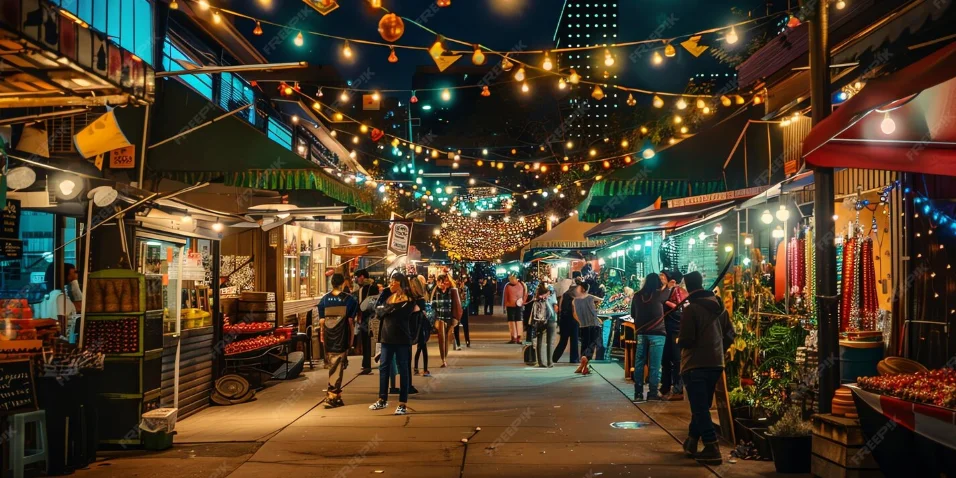
**Walking Street** is a 1-kilometer long street located in the south of Pattaya, closed to vehicle traffic between 6:00 PM and 2:00 AM (sometimes 4:00 AM), transforming into a massive entertainment platform. Known as the heart of the city's nightlife, this street hosts hundreds of Go-Go bars, live music venues, restaurants, and world-famous nightclubs like [Club Insomnia](/en/pattaya/yasam/club-insomnia-pattaya-inceleme-ve-gece-hayati) and [Republic](/en/pattaya/yasam/republic-pattaya-gece-kulubu-inceleme-ve-yorumlar). With its neon lights, street performances, and tourists from every language, Walking Street is undoubtedly the most energetic point of the Pattaya experience.
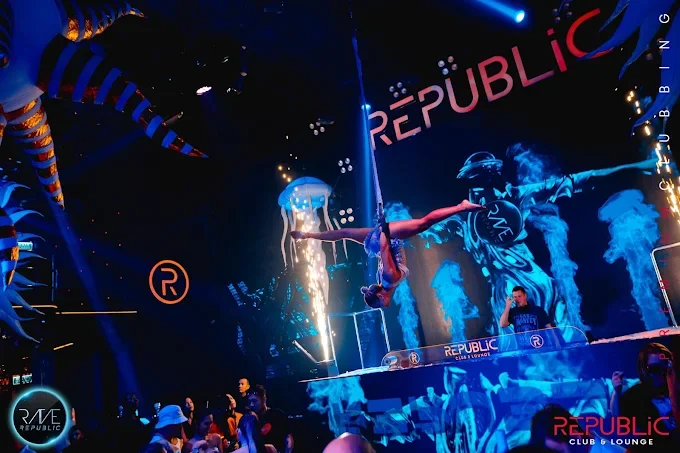
**Republic Pattaya** is a massive nightclub located near the entrance of Walking Street, notable for its modern design and high-tech sound/light systems. Unlike traditional Pattaya bars, it features a large stage reminiscent of major festivals in Europe, professional dancers, and a top-tier VIP service approach. According to visitor data from 2026, Republic has become the top choice for tourists seeking quality music and a spacious dance area.
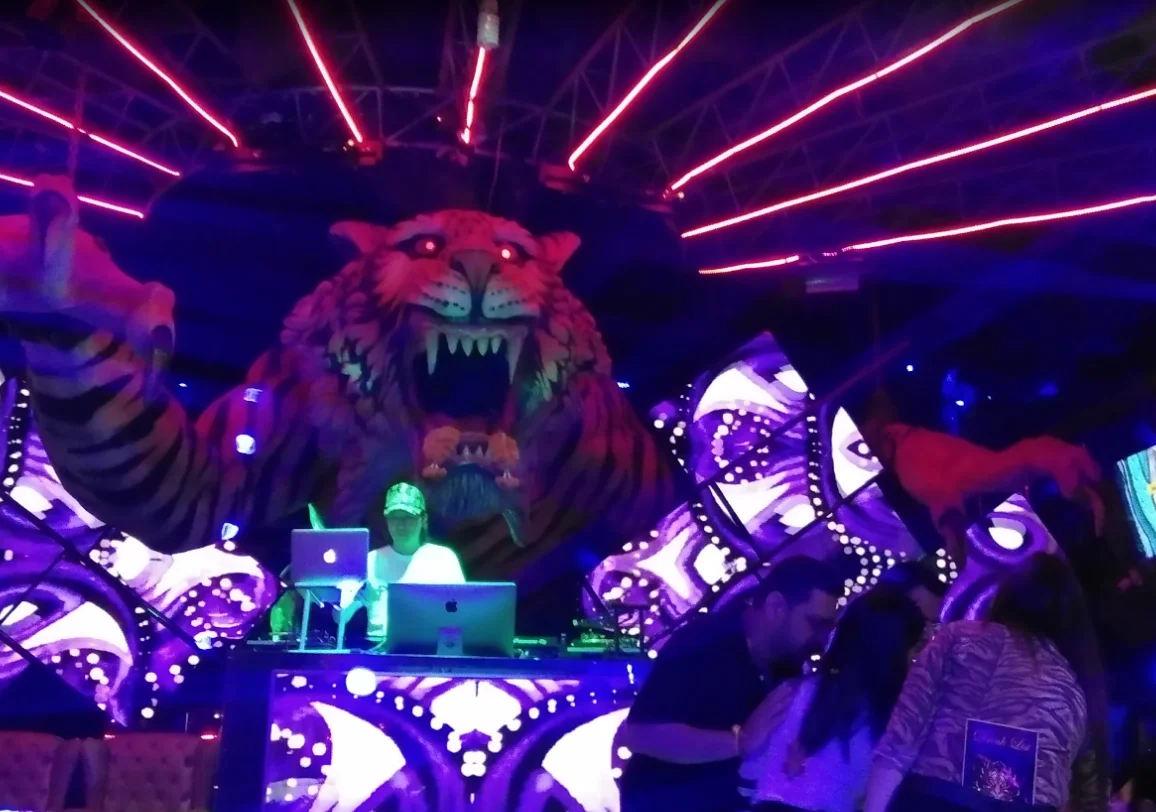
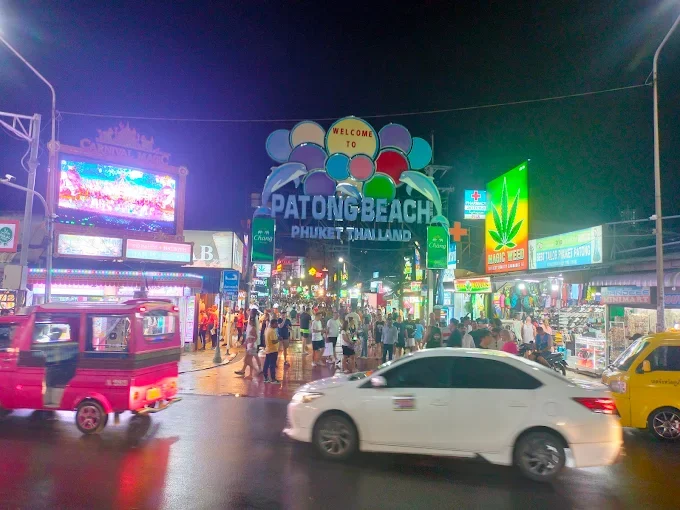
**Tiger Nightclub** is the most famous entertainment complex on Bangla Road in Patong, Phuket. Known for its massive 5,000 square meter area, prehistoric rock decor, and giant tiger sculptures, the venue consists of two main parts: the **Tiger Bar** on the ground floor (an open area focused on social interaction and music) and the **Tiger Disco** on the upper floor (an indoor area with loud music and professional DJ performances). Entrance is usually free, but fees may apply during major events or special nights.
**Club Insomnia** is one of the largest and most established nightclubs in Pattaya, located on the world-famous Walking Street. The venue consists of two sections: the **iBar** on the ground floor offers a calmer atmosphere and sea views, while the **main club** on the upper floor provides entertainment that lasts until the early hours of the morning with a high-quality sound system and laser shows. The entrance is usually free, and the discounted prices (Happy Hour) applied before midnight are the biggest advantage for budget-conscious tourists.
**Bangla Road** is a 400-meter street located in Patong, Phuket, which transforms into a massive open-air entertainment center after sunset. Known as the heart of Phuket's nightlife, this street is filled with dozens of **Go-Go bars**, live music venues, street performers, and world-famous nightclubs like Illuzion or ***_Tiger Nightclub_***. Catering to every budget and entertainment style, Bangla Road is an essential social stop on your Phuket experience.
In Thailand, **Night Markets** are not just places for shopping; they are social ecosystems where local life and street flavors thrive. **Jodd Fairs** in Bangkok and **Thepprasit Night Market** in Pattaya are the most popular destinations for tourists. These markets typically operate from 5 PM until midnight. Logistically, using the ***_Grab app_*** to reach these areas or walking in the evening coolness is the most effective way to discover the true spirit of Thailand.
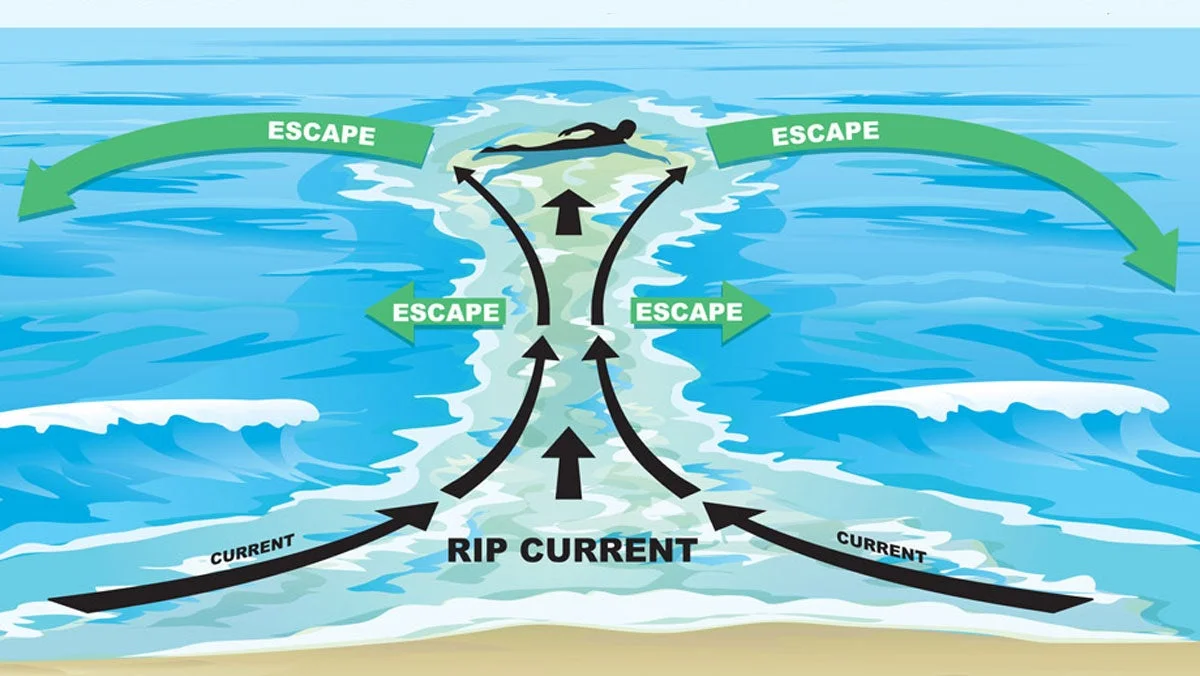
Phuket is generally one of the safest tourist destinations in the world; however, the concept of "safety" here is more related to logistical and environmental risks than law and order. According to 2026 data, the biggest risk factors in Phuket are motorcycle accidents, sea currents, and minor scams in ***_Patong nightlife_*** areas. Wearing helmets, using official taxi apps, and paying attention to beach flag warnings are the cornerstones of risk management.
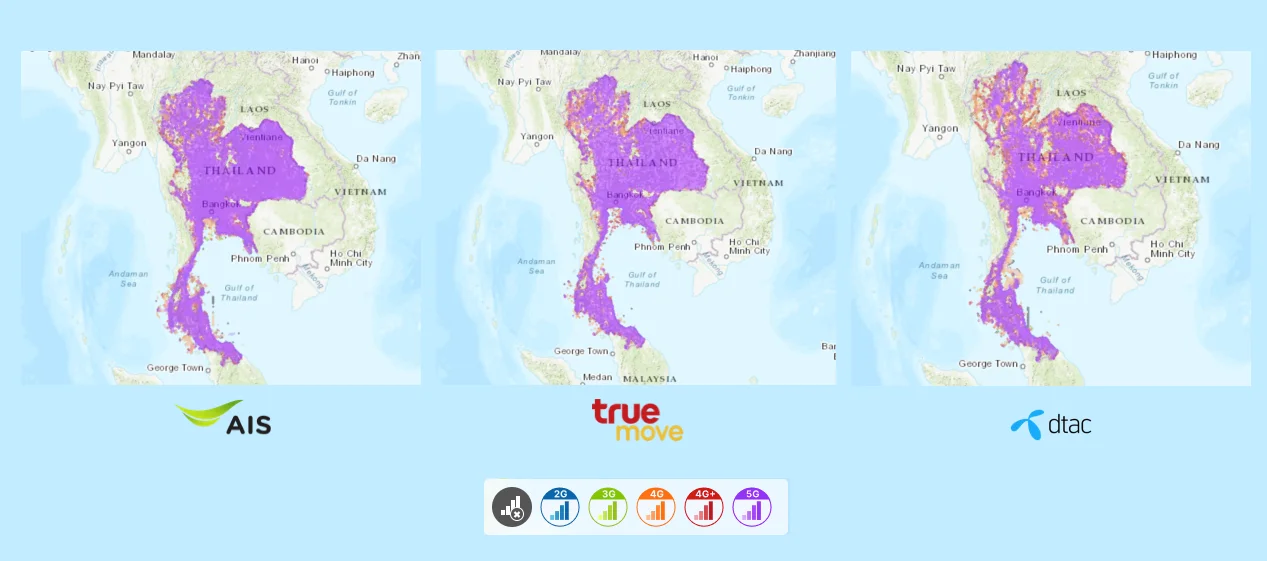
The most efficient logistical solution for uninterrupted internet access in Thailand is a local SIM card obtained at the airport upon arrival or purchased online in advance. The country's three main operators, **AIS**, **TrueMove H**, and **dtac**, offer special "Unlimited Data" packages for tourists lasting 8, 15, and 30 days. As of 2026, **eSIM** technology eliminates the hassle of changing physical cards, providing ease of digital activation. According to analytical data, AIS stands out as the operator with the widest coverage area and speed performance.
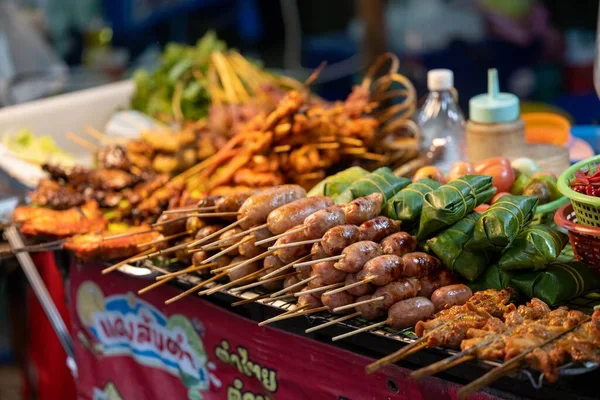
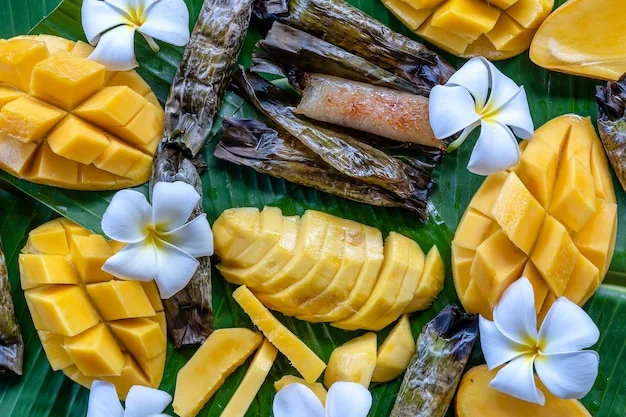
Thai street food ranks at the pinnacle of global culinary logistics. Among the most iconic dishes are rice noodle-based **Pad Thai**, spicy green papaya salad **Som Tum**, and the legendary dessert **Mango Sticky Rice**. For tourists to enjoy a hygienic tasting experience, it is rational to prefer stalls where food is freshly cooked in front of them, frequented by locals, and where attention is paid to the use of ***_clean water_***. As of 2026, most street stalls accept payments via QR code (PromptPay).
**Ladydrink** is a special drink you order for the female staff working in Beer Bars and Go-Go bars in Thailand to spend time with you, chat, or play games. This is not a "scam"; it is the fundamental **business model** of that venue. As of 2026, prices generally range from 180-250 Baht, with a portion of this amount going to the employee as commission and the remainder to the business. Ordering a ladydrink is considered a "service fee" for the time the staff spends at your table.
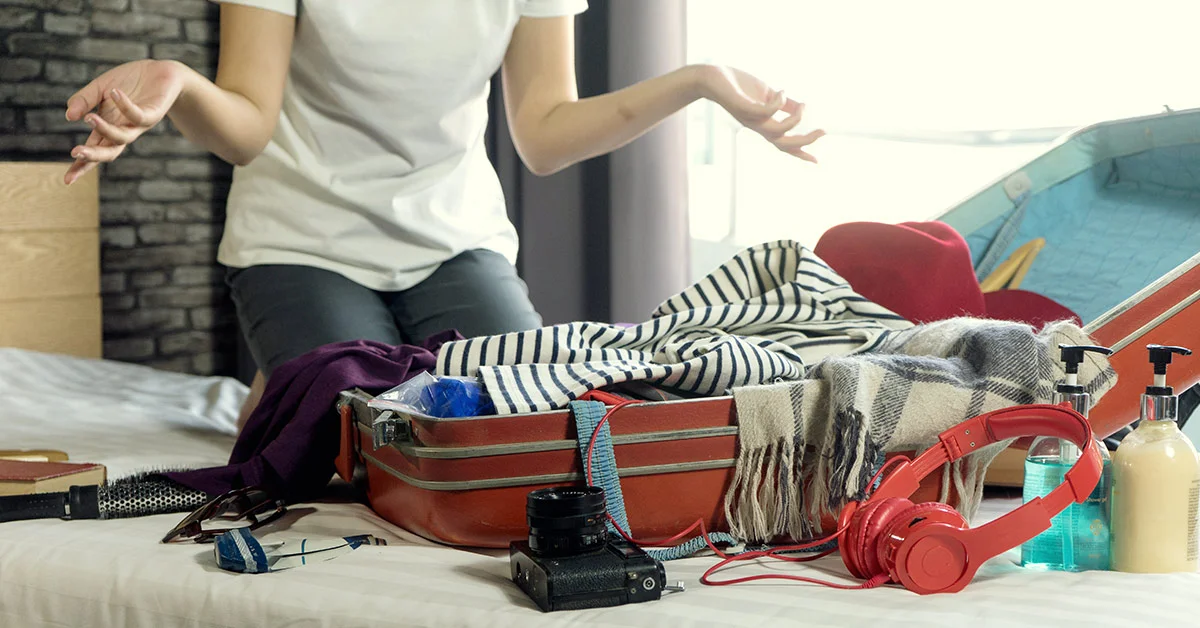
One of the biggest strategic mistakes when traveling to Thailand is to pack your suitcase to the brim. With an average of 80% humidity and temperatures above 30°C, lightweight and breathable cotton clothing is essential. Be sure to include clothing that covers your shoulders and knees for temple visits, a quality sunscreen, and ***_tropical mosquito_*** repellent. As of 2026, remember that you can meet most of your needs at 7-Eleven stores at reasonable prices; leaving some empty space in your suitcase is crucial for the logistics of "souvenirs" on your return.
The most common scams tourists encounter in Thailand include the "Grand Palace is closed" lie, Tuk-Tuk drivers who don't turn on the meter, and fake gem sales (Gem Scam). As of 2026, the most effective logistical measure against these digital traps is to use the ***_Grab app_*** for transportation, check the working hours of official institutions via Google Maps, and maintain a cautious analysis towards overly friendly "helpful" foreigners on the street.
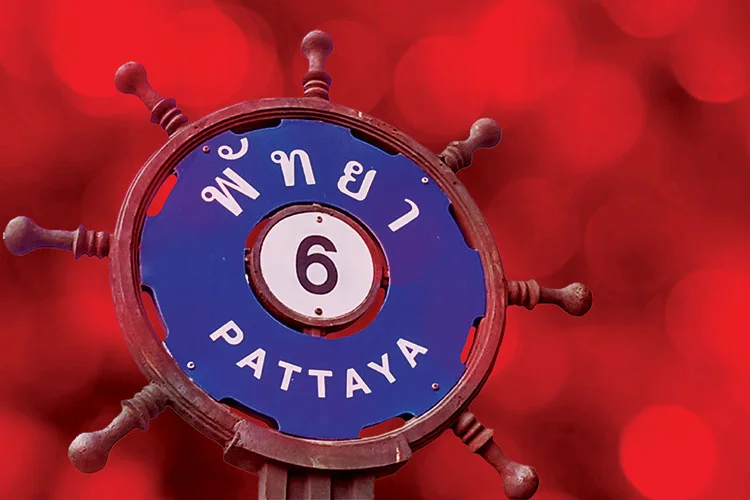
**Soi 6** is the busiest and most iconic "bar street" in Pattaya, located in the north of the city, connecting Beach Road and Second Road. Unlike Walking Street, the entertainment here starts around **1:00-2:00 PM**, featuring approximately 80-100 small "Beer Bars" lined up on both sides. Resembling a narrow corridor logistically, Soi 6 is considered the heart of Pattaya's "daytime entertainment" due to its friendly atmosphere, affordable ***_drink prices_***, and the energetic staff spilling out onto the street.
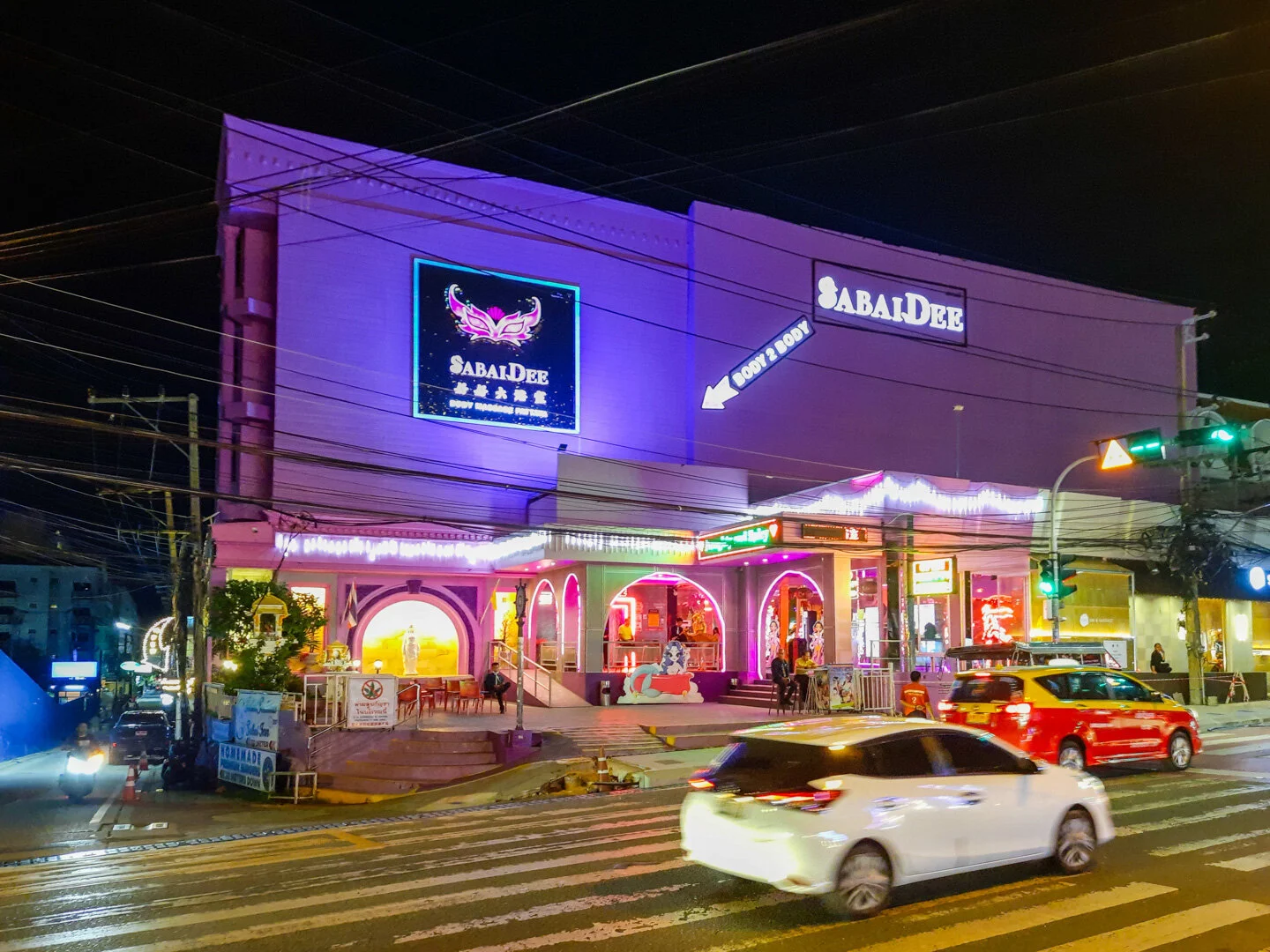
**Soapy massage** is one of the most iconic and luxurious segments of Thailand's nightlife; it is a "body-to-body" experience that combines body care and massage in large tubs. Among the most established and high-standard venues offering this service in Pattaya are **Sabai Dee**, **Honey 2**, **Rasputin**, **PP Body Massage**, and **Sabai Wing**. As of 2026, prices generally range from **2,500 Baht to 6,000 Baht** depending on the duration of the service and the luxury level of the venue.
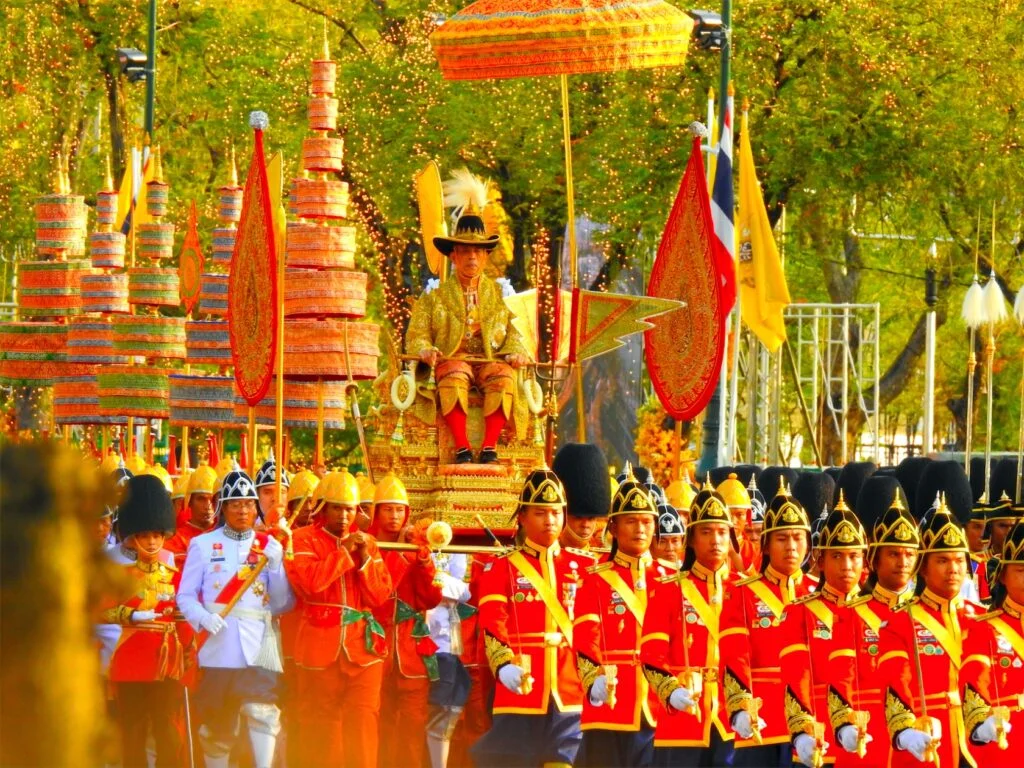
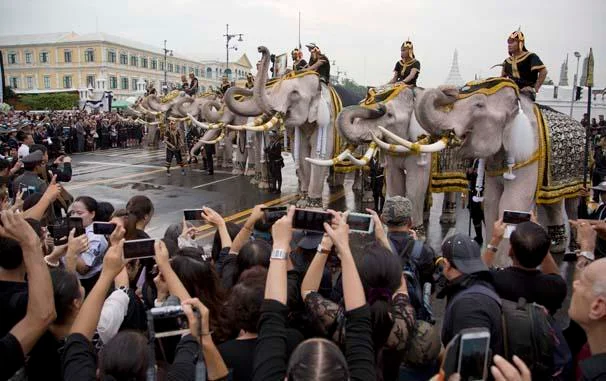
Thailand, known as the "Land of Smiles," has a very strict ethical structure based on social hierarchy and religious values. The **Wai** greeting, absolute loyalty to the Royal family, and adherence to Buddhist traditions are the cornerstones of social logistics. To be accepted as a foreigner (Farang) in Thailand, one must not only know these rules but also internalize and practice them.
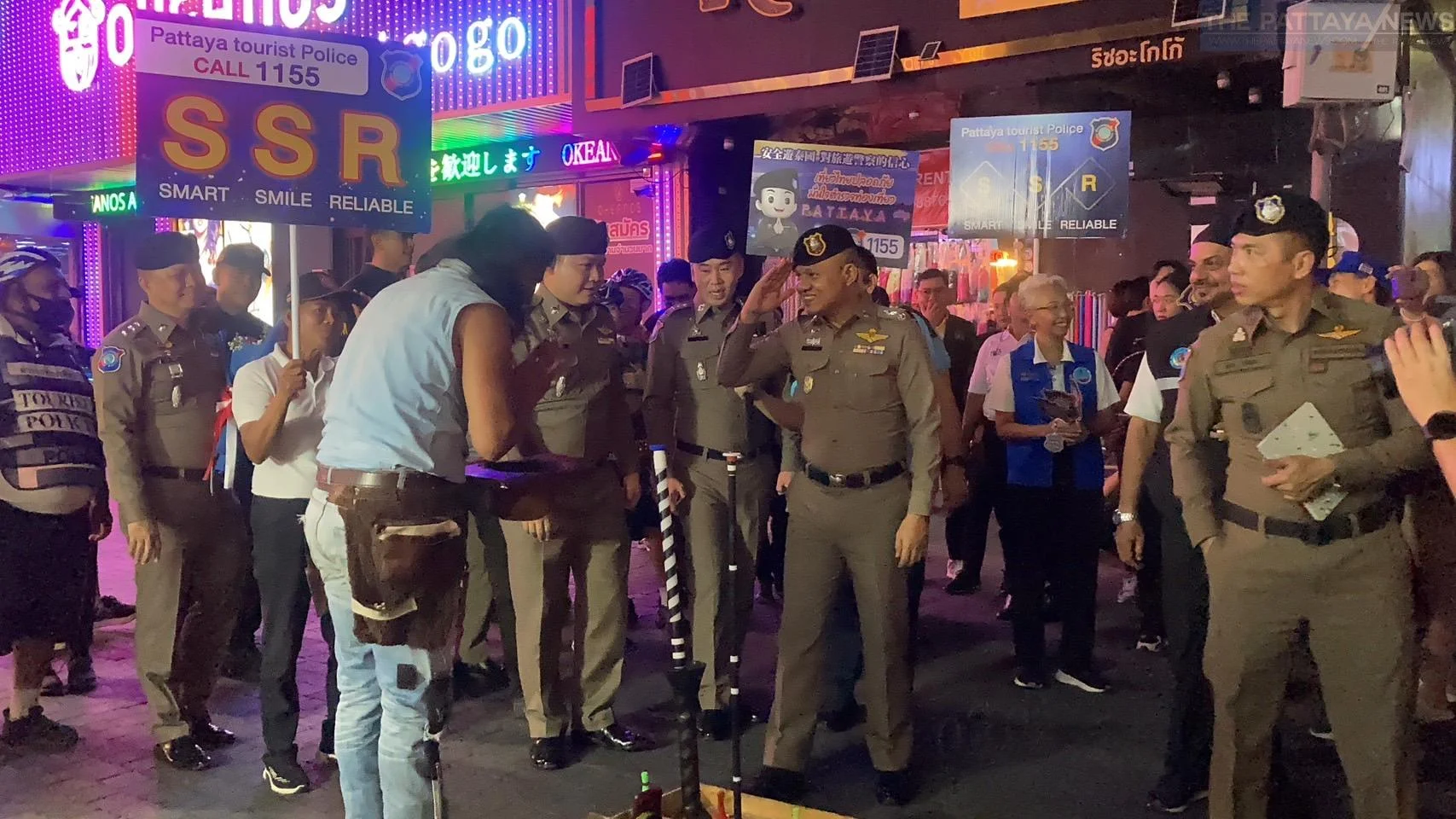
The basic rule for having a safe night in Pattaya is to prefer corporate and well-known venues. The most common "nightlife traps" include opaque bills in upper floor bars, "special shows" recommended by motorcycle taxi drivers, and exorbitant bills that arise after consuming ***_alcoholic beverages_***. To ensure your safety, always choose crowded and visible venues on the ground floor, and in case of any issues, directly contact the ***_Tourist Police_*** units.
**Farang** is a term in the Thai language that generally means "a foreigner of Caucasian descent" (Western). Its origin is based on the Persian word *Farangi*, which means "French." In Thailand, this term is used not only to describe people but also to refer to ***_tropical fruits_*** (e.g., guava) or foreign-origin products (e.g., Farang potatoes). It usually does not carry an insult; however, depending on the context and tone of voice, it can transform into a logistical label distinguishing between "pure tourists" or "settled foreigners."
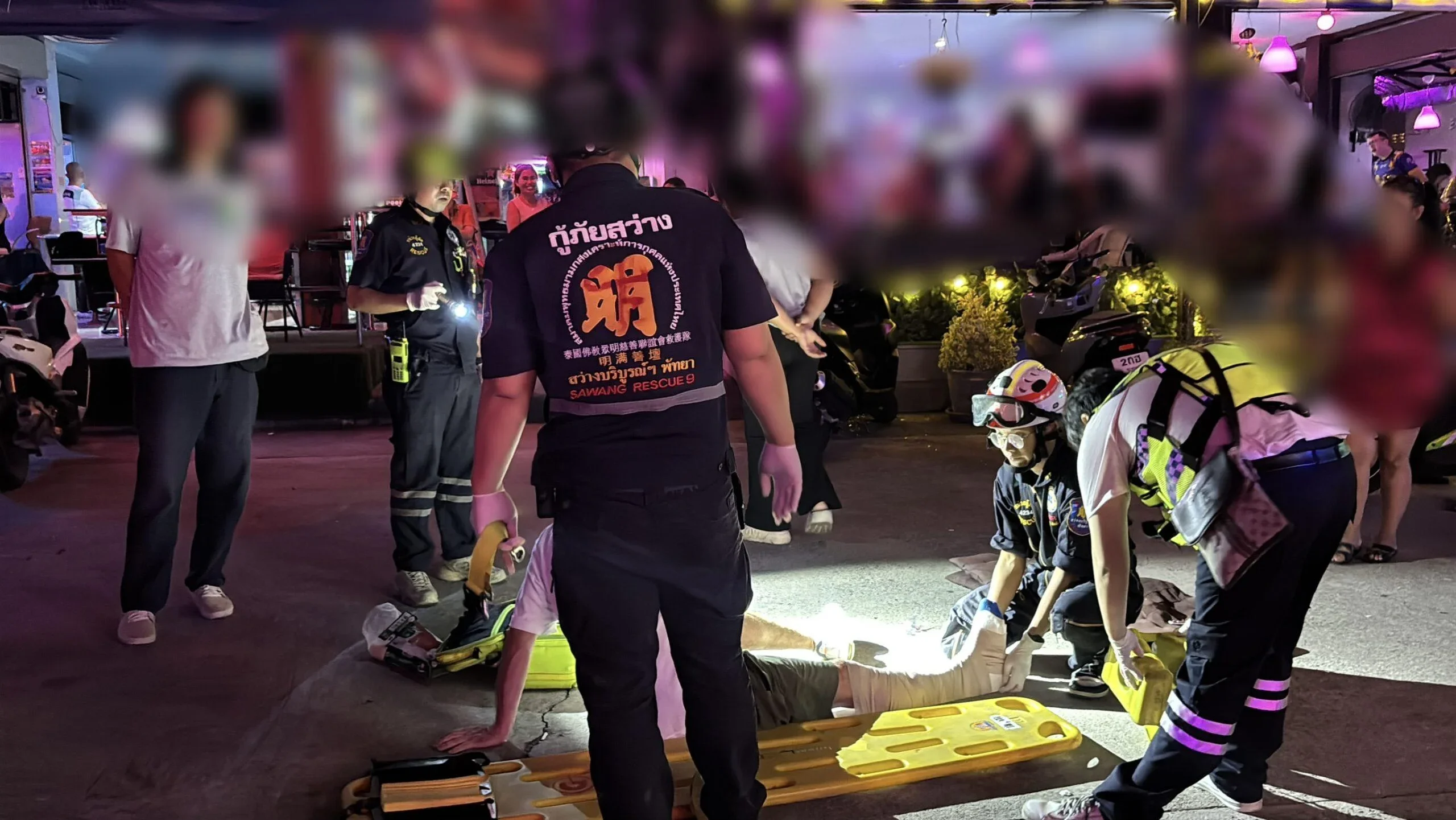
Getting involved in a bar fight in Thailand is assessed under various crime categories ranging from simple assault to serious battery. According to the Thai Penal Code (Section 295), the penalty for simple assault is **up to 2 years in prison** and/or a fine of **up to 40,000 Baht**. If the fight results in serious injury or permanent damage (Section 297), the penalty can increase to **up to 10 years in prison**. The main critical risk for foreigners is the cancellation of their visa after imprisonment, being blacklisted, and deportation.
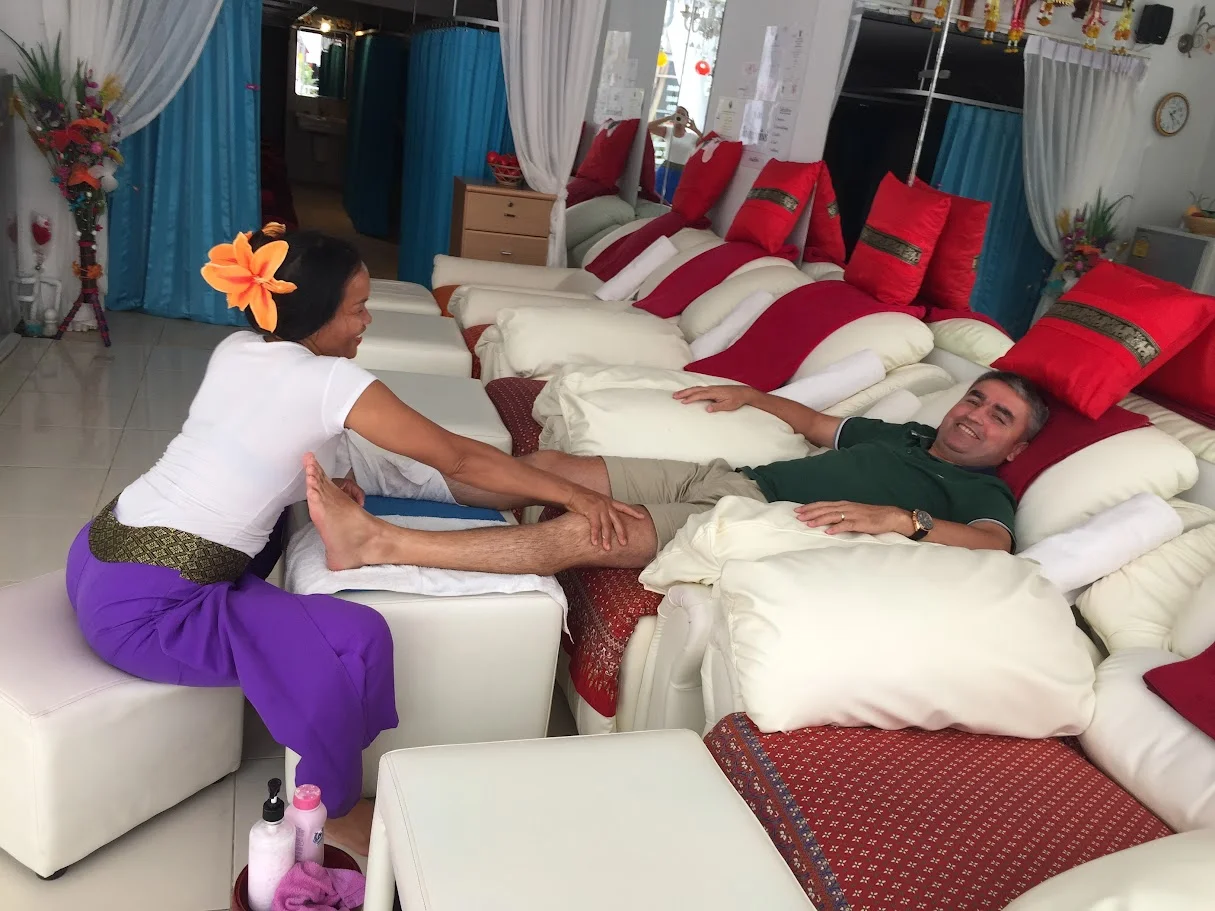
Thai massage is not just a relaxation method; it is a technical healing practice that combines principles of acupuncture, yoga, and Indian Ayurveda. As of 2026, traditional massage prices across Thailand range from **300-450 Baht** per hour. There are two main styles that determine the quality of the experience: the widely known ***_Chalosiak_*** style, which uses elbows/knees, and the fingertip-focused ***_Raja Samnak_*** style, applied only to royalty and high-ranking officials.
The haircut experience in Thailand ranges from neighborhood barbers at 100 Baht to luxury hair studios at 1,500 Baht. Showing a photo is the safest strategy to overcome the language barrier. In local barbers, the traditional "neck and head massage" after a haircut is a routine service, while luxury salons prioritize international hygiene standards and expertise. Especially in cities like Pattaya and Bangkok, chain salons in shopping malls are the least risky choices.
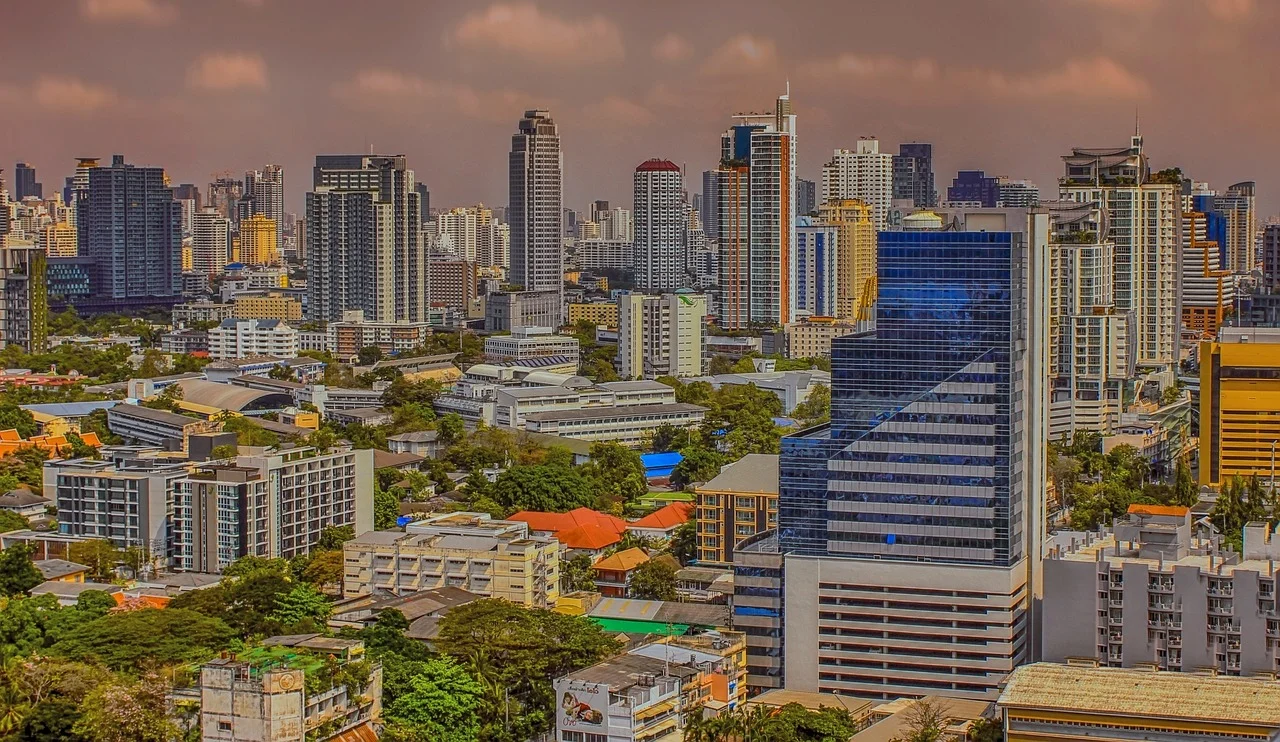
Bangkok (Krung Thep) can be one of the most enjoyable metropolises in the world when managed with the right logistics strategies. The key to escaping the city's chaotic traffic is to stay close to the **BTS Skytrain** and **MRT Metro** lines, use **Grab/Bolt** apps for transportation, and be vigilant against street scammers claiming "the temple is closed." Choosing the **Asok/Sukhumvit** area as a logistical hub ensures efficiency with the precision of an agricultural engineer.
Thailand ranks among the top in the world for fixed broadband internet speed; by 2026, fiber infrastructure has become standard in every home, making it quite easy to reach speeds of **1 Gbps**. On the mobile side, 5G coverage exceeds 90% nationwide. For digital nomads, Thailand is a tech paradise offering high speed, low latency (ping), and affordable unlimited packages.
Night markets in Thailand are not just shopping venues; they are gastronomic and entertainment centers that reflect the social spirit of the country. From Jodd Fairs in Bangkok to the Sunday Walking Street in Chiang Mai, these markets offer handmade products, vintage clothing, and world-famous street food. To have a successful market experience, it's essential to head out after 6 PM, carry cash, and learn the art of gentle bargaining.
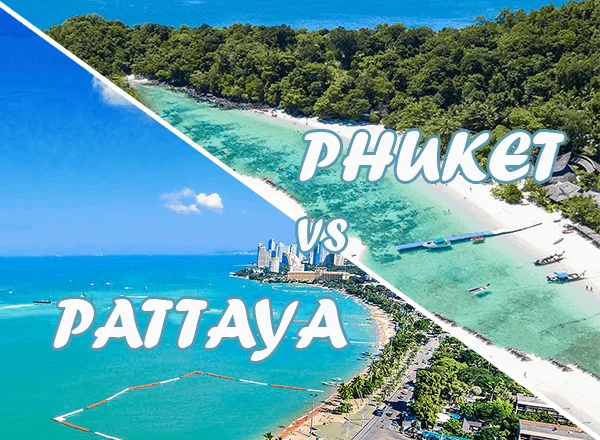
The answer to whether Pattaya or Phuket is better depends entirely on your vacation expectations: **Pattaya** stands out with its proximity to Bangkok, more affordable prices, and endless nightlife; while **Phuket** offers a true beach holiday with its world-famous white sandy beaches, luxury resorts, and tropical island atmosphere.
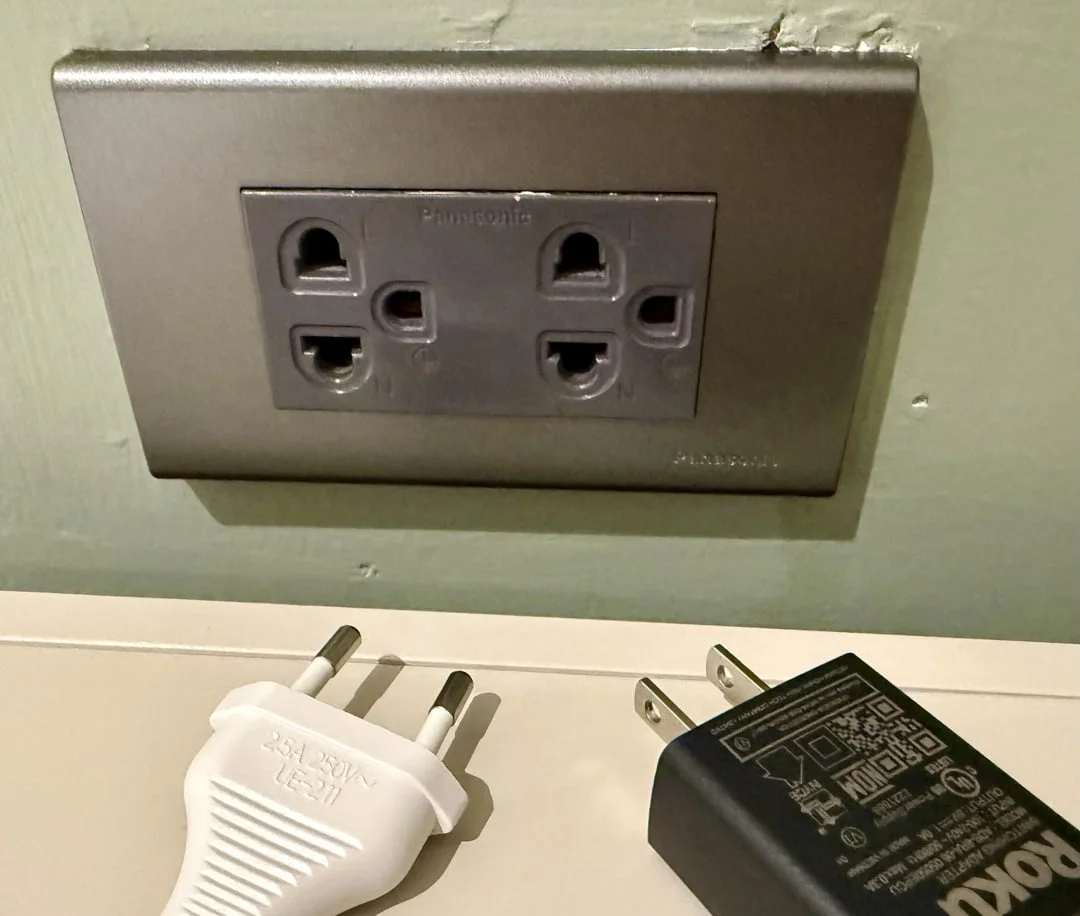
The standard voltage in Thailand is 220V (50Hz), and outlets typically accept hybrid plugs of types A, B, C, and O. Although European and American plugs fit physically into these outlets, the lack of grounding in older buildings can lead to static electricity buildup and damage to sensitive electronic devices. For digital professionals using high-performance computers (like Woxify), using a "Surge Protector" is not optional; it is a necessity.
In Thailand, the national anthem (Phleng Chat Thai) is played every day at **08:00** in the morning and **18:00** in the evening; during these moments, life comes to a halt, and everyone stands in respect. Stopping and waiting in public spaces, train stations, or parks when the anthem begins is the most basic ethical rule and sign of respect you can show as a foreigner in Thai society.
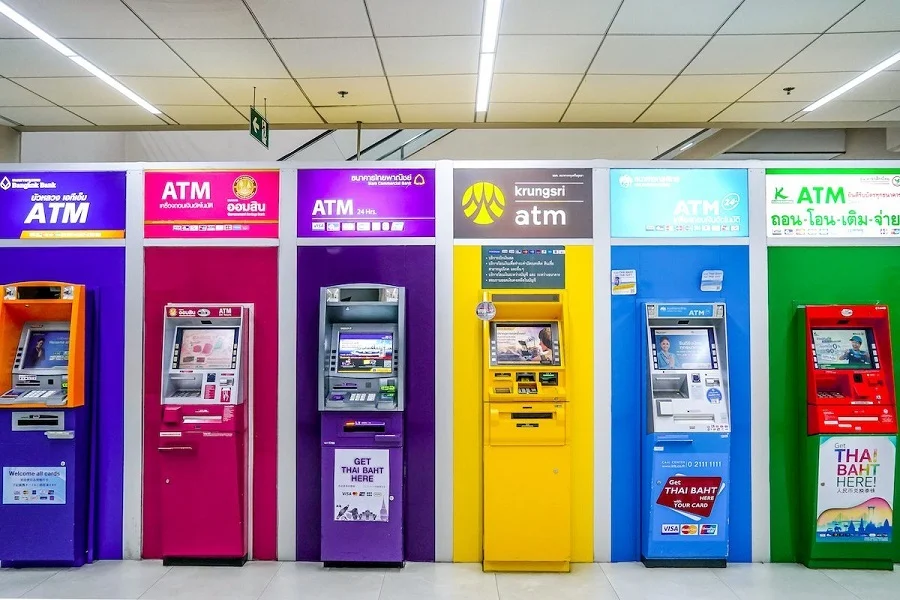
The biggest financial trap encountered when using ATMs in Thailand is the fixed bank fee of **220 Baht (approximately 6-7 USD)** charged per transaction. To avoid this cost, it is crucial to withdraw the maximum amount you can at once (usually 20,000 - 30,000 Baht) and to reject the "Dynamic Currency Conversion (DCC)" offer on the screen by selecting **"Without Conversion"**.
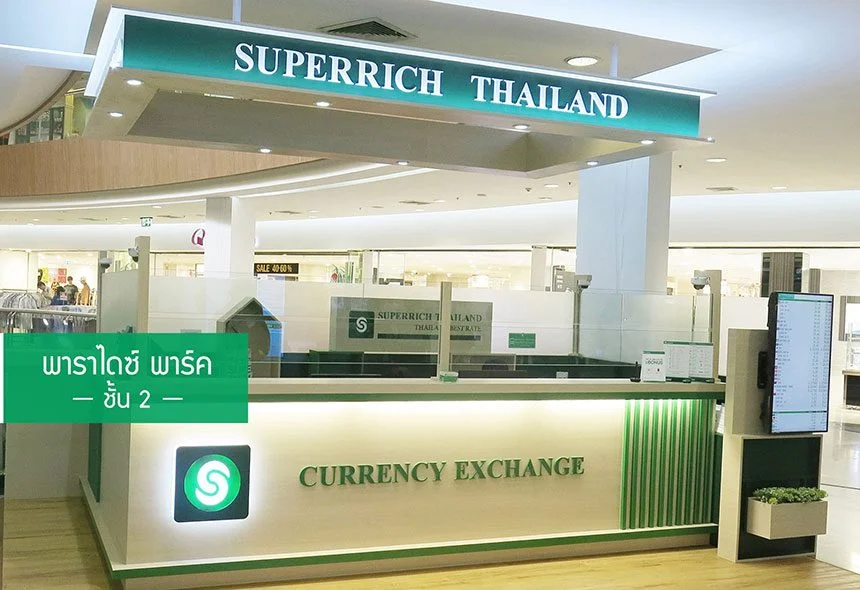
The places that offer the best exchange rates in Thailand are undoubtedly the **SuperRich** branches; these currency exchange offices with orange and green logos allow you to make transactions that are 2-3% more profitable compared to banks, offering the most competitive rates in the market. It is the smartest way to protect your travel budget to exchange just enough money at the airport to reach the city and prefer the SuperRich locations in the city center for the main amount.
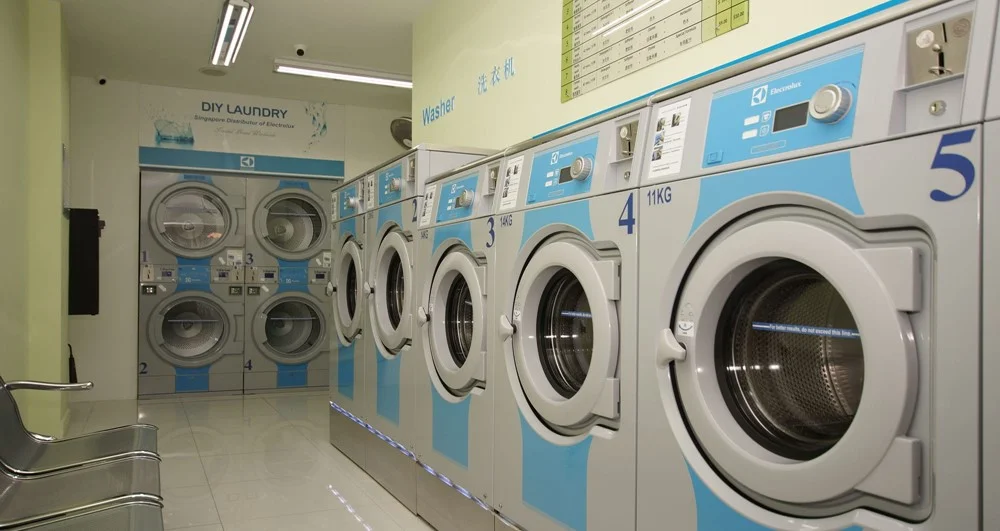
Doing laundry in Thailand is quite easy and economical; you can leave your clothes at shops with **"Laundry Service"** signs by weight (usually 40-60 Baht) or use 24-hour self-service machines (like Ottery). In professional services, your clothes are washed, dried, and ironed, and delivered the next day.
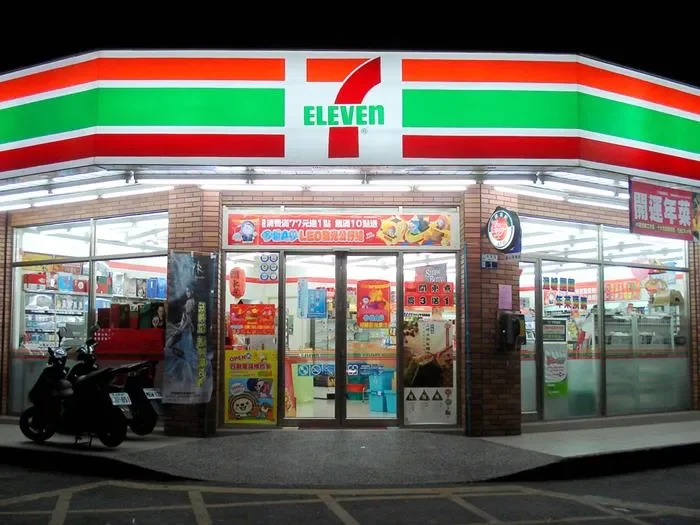
With **over 14,000** branches in Thailand, 7-Eleven is not just a convenience store; it is a community hub offering bill payments, package deliveries, fresh food, and a 24/7 air-conditioned refuge. The reason you see two branches just 50 meters apart in densely populated areas is due to logistical excellence and the Thai people's culture of instant consumption, which is based on not stocking up at home.
# Is Renting a House in Thailand Easy? Process, Costs, and Tips
Thailand is considered a paradise for accommodation, especially for digital nomads and retirees. Unlike Western countries, you won't face bureaucratic hurdles such as pay slips, credit scores, or local guarantors when renting a house in Thailand. Here are the "capillary" details of the rental process in Thailand:
## 1. 🏢 Types of Housing: Condo vs. Detached House
Before renting, you should decide which lifestyle suits you:
- **Condominium (Condo):** This is the most preferred option by foreigners. Security, swimming pools, gyms, and shared workspaces are standard. It offers a wide range from studio apartments to luxury duplexes.
- **Apartment:** These are usually buildings owned by a single owner. Electricity and water unit prices may be higher compared to "Condos," so be sure to ask about the bill details.
- **Detached House/Villa:** As you move away from the city center, options for houses with gardens and pools increase. These are particularly suitable for families, but security and garden maintenance are your responsibility.
## 2. 📑 Rental Process and Required Documents
Renting a house in Thailand is much more practical than you think:
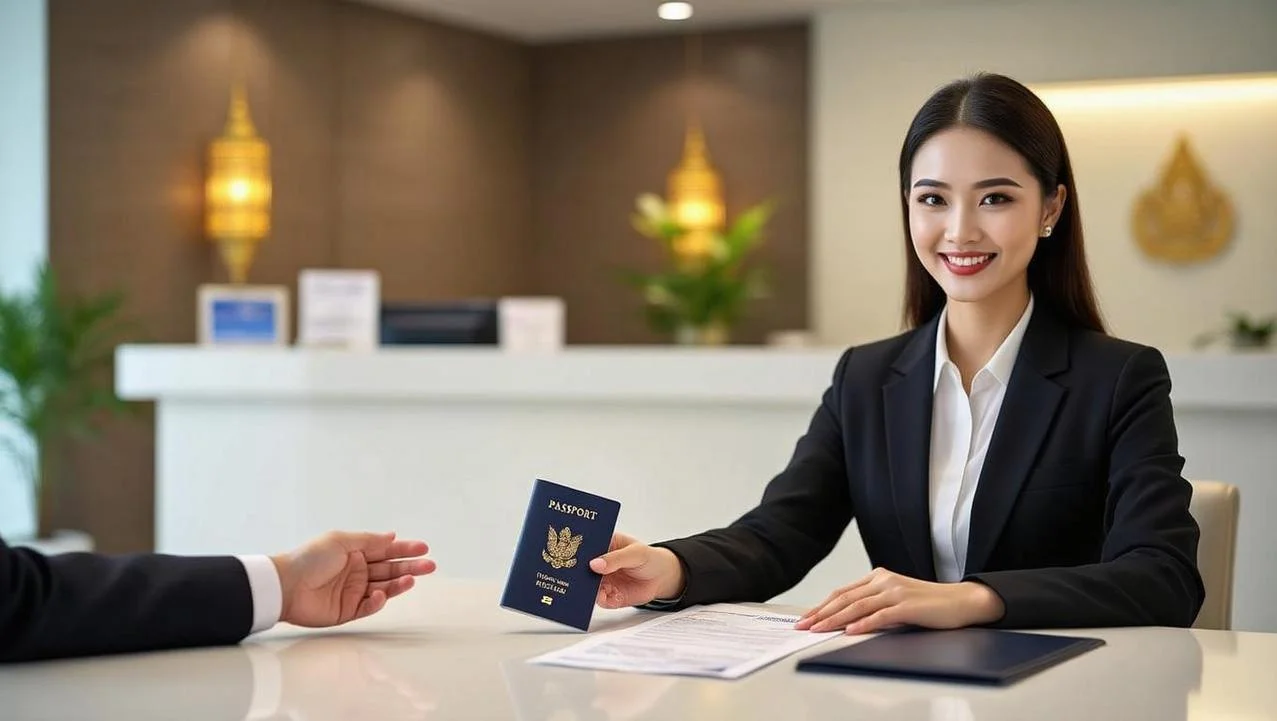
- **Documents:** Only a valid [**passport**](/en/tayland/vize/tayland-icin-pasaport-gerekli-mi) is sufficient. Your visa type (Tourist, [DTV](/en/tayland/vize/dtv-vizesi-nedir-kimler-alabilir-basvuru-rehberi), Retirement, etc.) does not hinder your ability to rent.
- **Contract Duration:** Standard contracts are for 1 year. Prices may increase by 10-20% for 6-month contracts. For short-term rentals of 1-3 months, AirBnB or serviced apartments are more reasonable.
- **Agent Fee:** In Thailand, the real estate agent's (Agent) commission is paid by the **landlord, not the tenant.** Therefore, working with an agent is completely free and advantageous for you.
## 3. 💰 Costs and Payment Terms
In the Thai market, where there is always room for negotiation, the cost structure is as follows:
- **Deposit:** Typically, a deposit equal to 2 months' rent is required.
- **Advance Payment:** The first month's rent is paid in advance upon moving in. So, you will receive the keys with a total of 3 months' rent.
- **Bills:** Electricity and water bills should be paid at government rates (PEA/MEA). Some apartments may add a profit margin on management; confirm whether it is at the "Government rate" before signing the contract.
## 4. 📝 Critical Points to Consider
- **TM30 Form:** According to Thai laws, your landlord is required to notify the immigration office that you are staying at that address (TM30). This document is required for visa extension processes; ensure that your landlord will make this registration.
- **Inventory List:** Take photos of the condition of all items, furniture, and air conditioning when entering the house. These photos will serve as proof to get your deposit back in full upon exit.
## Arif GÜVENÇ's Advice
**_🛡️ The biggest mistake when renting a house in Thailand is sending a deposit based solely on photos found on the internet. As a recommendation from Arif GÜVENÇ; always set a "trial period." First, stay in a hotel for a week and inspect the area you like both day and night (you wouldn’t want to realize you are next to a noisy bar at night). A "capillary" warning; air conditioning maintenance should be done every 6 months in Thailand, and this is usually the tenant's responsibility. Add a clause to your contract stating that the air conditioning will be delivered clean and fully charged. To avoid issues when getting your deposit back, initial every page of your contract and make your payments via bank transfer (registered)._**
Opening a local bank account in Thailand is the most effective way to avoid high ATM fees, especially for long-term stayers and digital nomads. Banks like Bangkok Bank or Kasikorn Bank typically allow account openings with a valid visa (DTV, LTR, or Work Permit), a residence certificate, and a local phone number. Although it has become more difficult to open an account with a tourist visa, the process is still manageable with the right branch and necessary insurance policies.
In tourist areas of Thailand (Bangkok, Phuket, Pattaya), English is sufficient for basic needs; however, the local population's level of English is often in a simplified form known as "Tinglish." Knowing basic Thai words provides a significant advantage for establishing deeper cultural connections, speeding up bureaucratic processes, and getting better prices in local markets.
Known as the "Rose of the North" in Thailand, the city of Chiang Mai offers a slower pace, rich cultural depth, and serves as a hub for digital nomads, unlike Bangkok. To ensure logistical efficiency in the city, it is advisable to stay in the historic **Old City** or the modern **Nimman** area, navigate the **blue/red Songthaew** (shared taxi) system for transportation, and plan temple visits for the coolness of the early morning hours. For an agricultural engineer, the region's fertile lands and coffee plantations make the city not just a tourist stop but an agricultural laboratory.
Tayland’ın başkenti Bangkok, ilk bakışta kaotik görünse de BTS/MRT ve doğru konaklama ile yönetilebilir bir metropoldür. Bu rehberde lojistik, konaklama bölgeleri, ulaşım, tapınaklar ve saha uyarıları yer alır.