What Should Those Who Don't Eat Spicy Say?
If you are someone who doesn't eat spicy food in Thailand, you must say "Mai Pet" (No spice) or "Pet Nid Noy" (A little spicy) when ordering. However, since "a little spicy" can sometimes feel quite hot by Thai standards, adding a "No Chili" warning as a guaranteed method and initially opting for inherently non-spicy dishes like Pad Thai is the safest way.
How to Order Without Spicy Food in Thailand? A Survival Guide
Thai cuisine is known as one of the most delicious yet also one of the spiciest in the world. The small but potent "Bird’s Eye Chili" peppers can turn even the most innocent-looking soups into a fireball. If your spice tolerance is low, you need to know these "capillary" tactics to ensure your Thai trip doesn't turn from a feast into torture.
1. 🗣️ Basic Vocabulary: What Should You Say?
Just speaking English when ordering may not always be enough; using these words in the local language increases your chances:
- Mai Pet (Mây Pet): Means no spice at all. This is the clearest and most essential phrase you should use.
- Pet Nid Noy (Pet Nit Noy): Means a little spicy. Use this phrase if you want some flavor but don't want to burn.
- Mai Sai Prik (Mây Say Prik): Means do not put any chili in. This is a direct instruction to the chef and reduces the margin for error.
2. 🍲 Naturally Non-Spicy or Mild Dishes
If you don't want to seek adventure, you can opt for these dishes that are inherently non-spicy:
- Pad Thai: This national dish of Thailand is usually non-spicy; chili flakes are served on the side.
- Khao Pad: Fried rice. It is generally non-spicy, and spicy sauces come in separate bowls.
- Pad See Ew: A sweet and completely non-spicy dish made with wide rice noodles and soy sauce.
- Mango Sticky Rice: Being sweet, it carries no risk of spice and is great for soothing the palate.
3. ⚠️ Beware of the "Pet Nid Noy" Trap!
For a Thai person, "a little spicy" (Nid Noy) can often mean 3-4 chilies, which a tourist might find "unbearable."
- Specify the Number of Chilies: If you say "Pet Nid Noy," clarify by using your finger to indicate "One chili only."
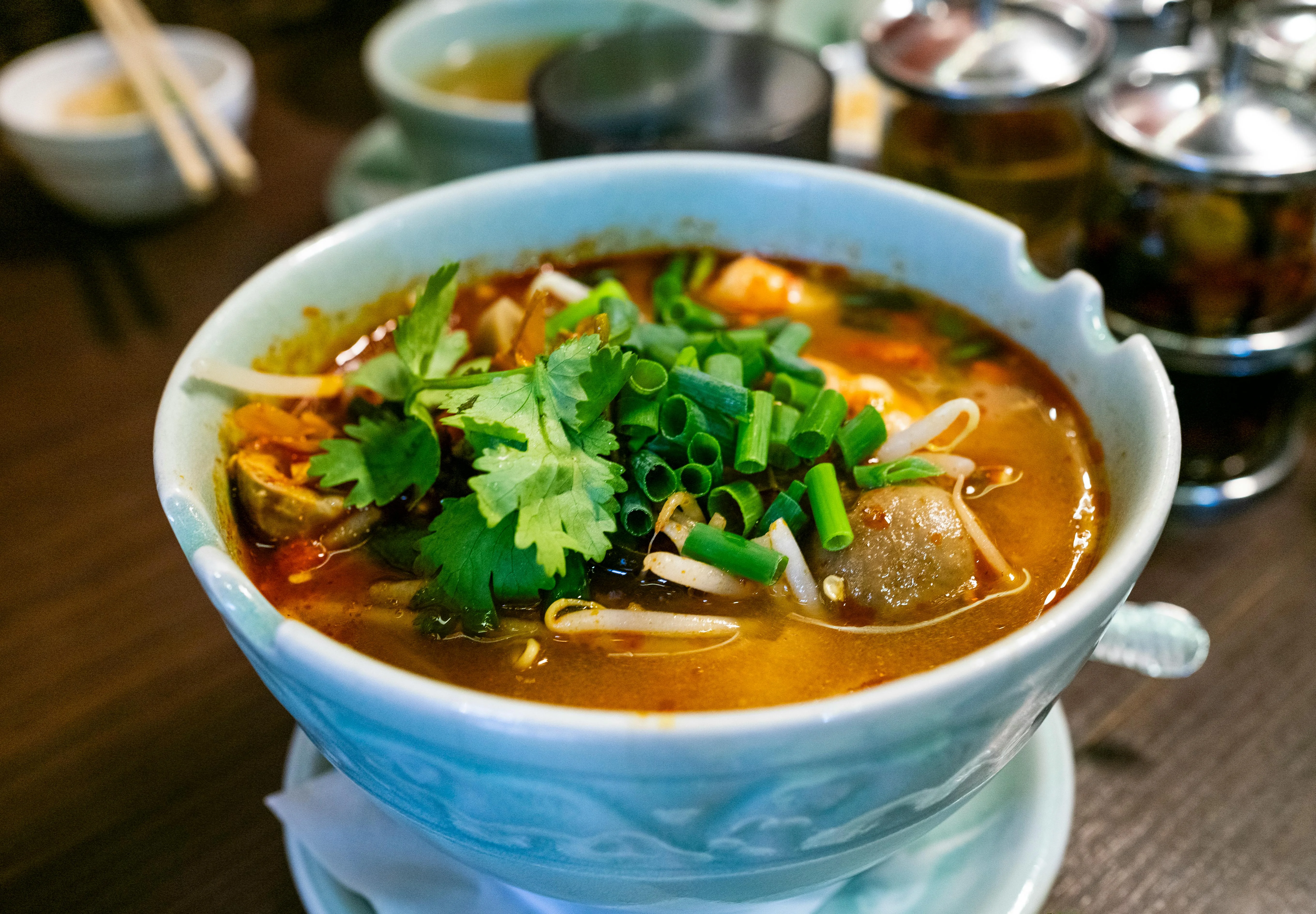
- Liquid Spices: In soups like Tom Yum, spice is present not as whole chilies but as paste/sauce, so picking out the chilies won't help. In such dishes, saying "Mai Pet" is much more critical.
4. 🔥 What to Do If Your Mouth Burns?
Drinking water after accidentally eating a spicy bite is a mistake; water spreads the spicy molecule, capsaicin, all over your mouth.
- Milk and Yogurt: Dairy products neutralize capsaicin.
- Sugar and Rice: Eating a spoonful of sugar or chewing a piece of boiled white rice (Khao Suay) will extinguish the fire faster.
Arif GÜVENÇ's Recommendation
🛡️ In Thailand, spicy food is not just a taste but a way of life. As a tip from Arif GÜVENÇ; before taking the first bite of your order, check for hidden small green or red chili pieces in your food (they are often mistaken for parsley and eaten!). A "capillary" warning; always smell the "Nam Prik Pla" (fish sauce with chili) on the tables before taking a spoonful; it may look innocent but can have an atomic bomb effect. If you are very sensitive, when ordering your meal, smilingly say, "I have an allergy to chili," and the chef will prepare your meal with much more care to avoid risk. Remember, eating non-spicy food in Thailand is not a shame but a personal preference, and the Thai people will always respect your choice.
Bölge:Tayland