Motorcycle Use and License Guide in Thailand
In Thailand, having just your home country's license is not enough to ride a motorcycle; you must have an International Driving Permit (IDP) with an "A" class (motorcycle) endorsement. Riding a motorcycle with a class B car license is legally invalid and can leave you uninsured in the event of an accident. To avoid fines of 500-1000 Baht during police checks and, most importantly, to ensure your safety, you must comply with legal requirements.
Motorcycle Use in Thailand: Freedom or Risk?
Riding a motorcycle in Thailand's exotic islands or complex city traffic may seem like the most practical solution, but the legal processes and safety risks can complicate this situation into a complex "capillary vein".
1. License Confusion: Common Misunderstandings
Many travelers set out in Thailand thinking that their class B license from Turkey is sufficient for riding a 50cc or 125cc motorcycle. However, Thai traffic laws are very clear on this matter:
- International Driving Permit (IDP): You must have an IDP that complies with the 1949 or 1968 convention.
- Class Endorsement: If the "A" box on your IDP is not stamped, the police will consider you unlicensed. Riding a motorcycle with only a "B" stamp is illegal.
- Insurance Invalidity: If you do not have a legal license, your travel insurance will deny all costs in the event of an accident.
2. The "Passport" Trap When Renting a Motorcycle
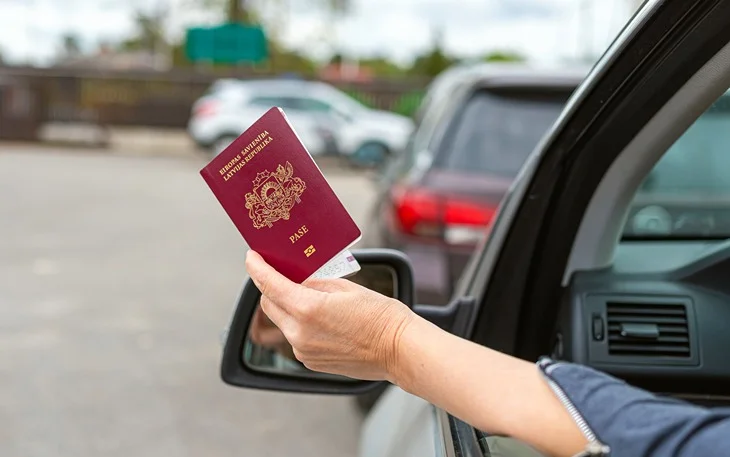
Rental shops often want to hold your passport as a deposit. This is both illegal and a significant security risk.
- Cash Deposit: Instead of handing over your original passport, offer a photocopy and a cash deposit of around 2,000-5,000 Baht.
- Damage Assessment: Be sure to video record every angle of the motorcycle when you pick it up. This is the only way to prevent unfair charges for existing scratches at the time of delivery.
3. Road Safety and Local Rules
Traffic in Thailand flows on the left, and local drivers' attitudes towards rules can sometimes be surprising:
- Sand and Oil: Especially on winding island roads, sand or spilled oil on the asphalt can be your biggest enemy.
- Helmet Use: Not wearing a helmet is not only a reason for a fine but also a life-threatening risk. Everyone, including passengers, must wear a helmet.
Advice from Arif GÜVENÇ
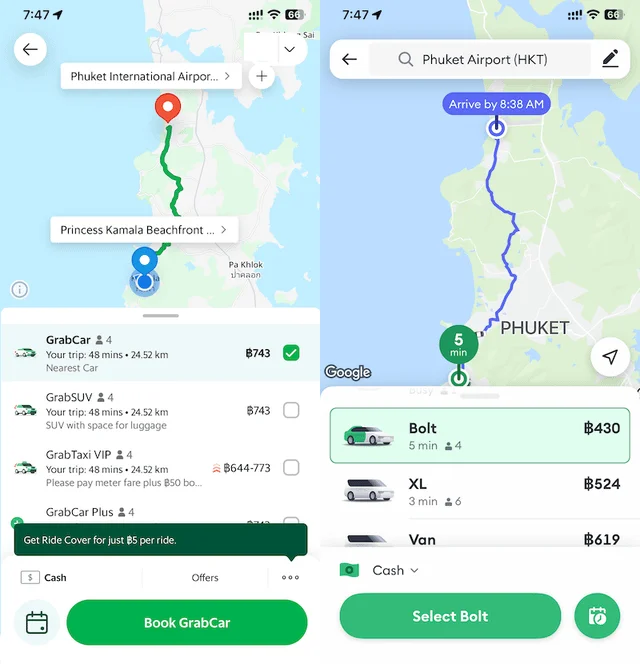
🛡️ On the roads of Thailand, being "right" does not matter; being a "foreigner" can often be enough to be considered at fault in local perception. As a tip from Arif GÜVENÇ; if your motorcycle license does not have an "A" designation or if you have little experience riding, do not risk your life for the sake of freedom. A warning from Arif GÜVENÇ; police checks are usually conducted in the early morning and at intersections. If your license is lacking, you can legally and much more cheaply travel by calling a "GrabBike" through Grab or Bolt applications. Remember, an accident in Thailand can ruin not just your holiday but your entire life financially and physically.
Bölge:Tayland